

Why memory foam needs a solid base
Memory foam is different from old-school springs. It doesn't have built-in tension, so it relies entirely on what's underneath it. If the base is weak, the foam dips, your back hurts, and the mattress wears out years before it should.
A poorly chosen foundation can actually void your mattress warranty. Most manufacturers specifically outline support requirements, and failing to meet them—often meaning insufficient slat spacing or an unstable base—releases them from any obligation to cover defects. The degradation happens surprisingly fast, too. Without adequate support, memory foam can develop permanent body impressions, losing its shape and support within a year or two.
Bed frames haven’t always been so specialized. Historically, they were simple structures designed to lift the mattress off the floor. As mattress technology evolved, so did frame design. The advent of innerspring mattresses demanded stronger support, leading to the development of the box spring. Now, with the rise of memory foam, we’re seeing a shift towards platform beds – and a lot of confusion about what truly works best.
It's easy to think any frame will do, but memory foam’s density and unique construction really change the game. Lower-density foams need more support than higher-density ones. Ignoring these needs isn’t just a comfort issue; it's a financial one. You're shortening the lifespan of what is often a significant purchase.
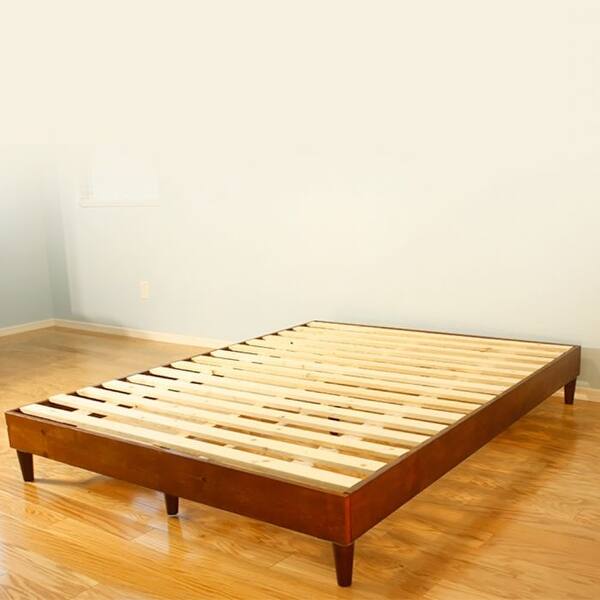
The case for platform beds
A platform bed, at its simplest, is a frame that provides a solid, level surface for your mattress, eliminating the need for a box spring. They come in a huge range of styles and materials. Wood is a classic choice, offering warmth and durability, while metal frames provide a more industrial look and often a lower price point. Increasingly, we’re seeing upholstered platform beds, offering a softer aesthetic.
The key feature of a platform bed is its system of slats. These horizontal supports bear the weight of the mattress and sleepers. Slat spacing is crucial – more on that later. Weight capacity is another important consideration, especially for couples or those using heavier mattresses. A quality platform bed should comfortably support at least 500 pounds, and many are rated for 800 pounds or more.
One of the biggest advantages of platform beds is their inherent support. They distribute weight evenly, which is ideal for memory foam. They're also often more affordable than traditional bed frames and box spring combinations, and their clean lines align with the popular minimalist design aesthetic. You can find excellent options on Amazon; a quick search reveals hundreds of models, from simple metal frames to elaborate designs with built-in headboards.
However, platform beds aren’t without their downsides. Some people find they feel firmer than a mattress supported by a box spring. This isn’t necessarily a bad thing, but it's something to consider. They might not be the best choice for those who prefer a very plush feel. Also, cheaper platform beds can lack durability, with slats prone to bending or breaking. I've seen too many reviews complaining about squeaky frames on lower-priced options.
- Amazon.com: Platform Bed with Headboard - Numerous options available, ranging from $150 to $800+
- Wayfair.com: Platform Beds - Wide selection of styles and materials, often on sale.
- Ashley Furniture: Platform Beds - Focuses on modern designs and complete bedroom sets.
Featured Products

Tool-free assembly · 14-inch height for underbed storage · Sturdy steel construction
This platform bed frame provides robust support and ample storage space, making it an excellent foundation for memory foam mattresses.

Durable upholstery with contemporary design · Sturdy wooden slats for mattress support · 700-pound weight capacity
The Nectar Bed Frame offers a stylish and durable solution with excellent slat support, ideal for ensuring the longevity and comfort of your memory foam mattress.
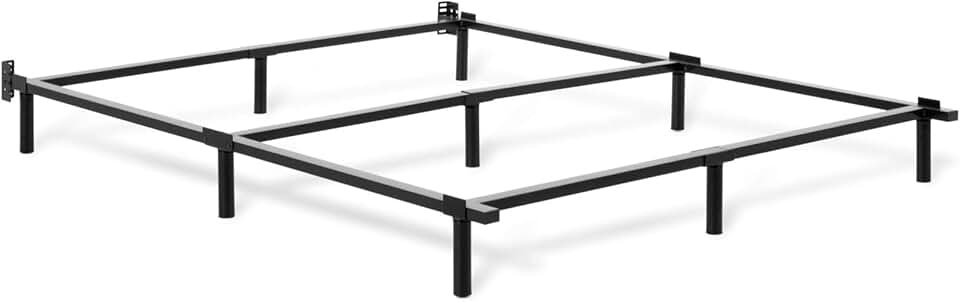
Tool-less assembly · Durable powder-coated steel · GREENGUARD Gold Certified
This metal platform bed frame is designed for easy setup and provides a stable, eco-certified base that complements memory foam mattresses.

Solid wood construction · Paneled headboard · 14-inch platform height
Crafted from solid wood with a stylish headboard, this platform bed offers a durable and aesthetically pleasing foundation for memory foam mattresses.
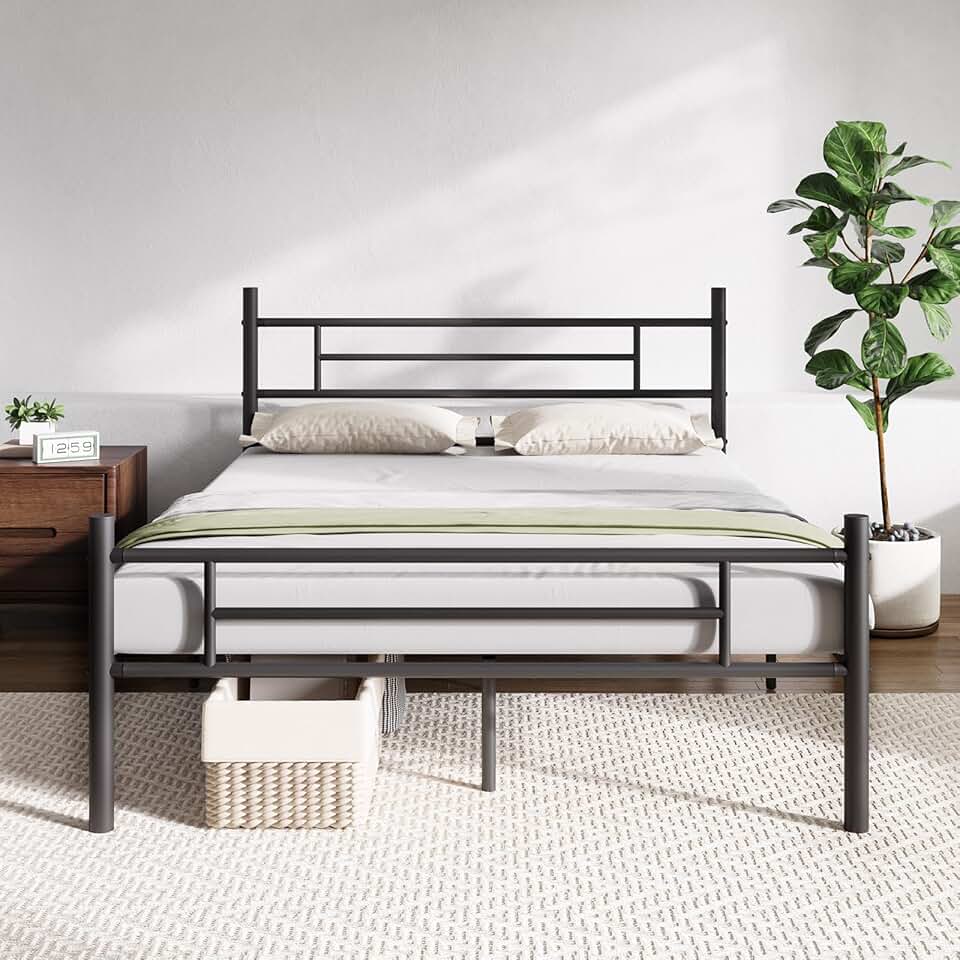
Includes headboard and footboard · 14-inch height with underbed storage · Strong metal slat support
This metal platform bed frame offers comprehensive support with a headboard and footboard, ensuring your memory foam mattress is well-supported and maximizing underbed storage.
As an Amazon Associate I earn from qualifying purchases. Prices may vary.
Box Springs: Beyond the Springs
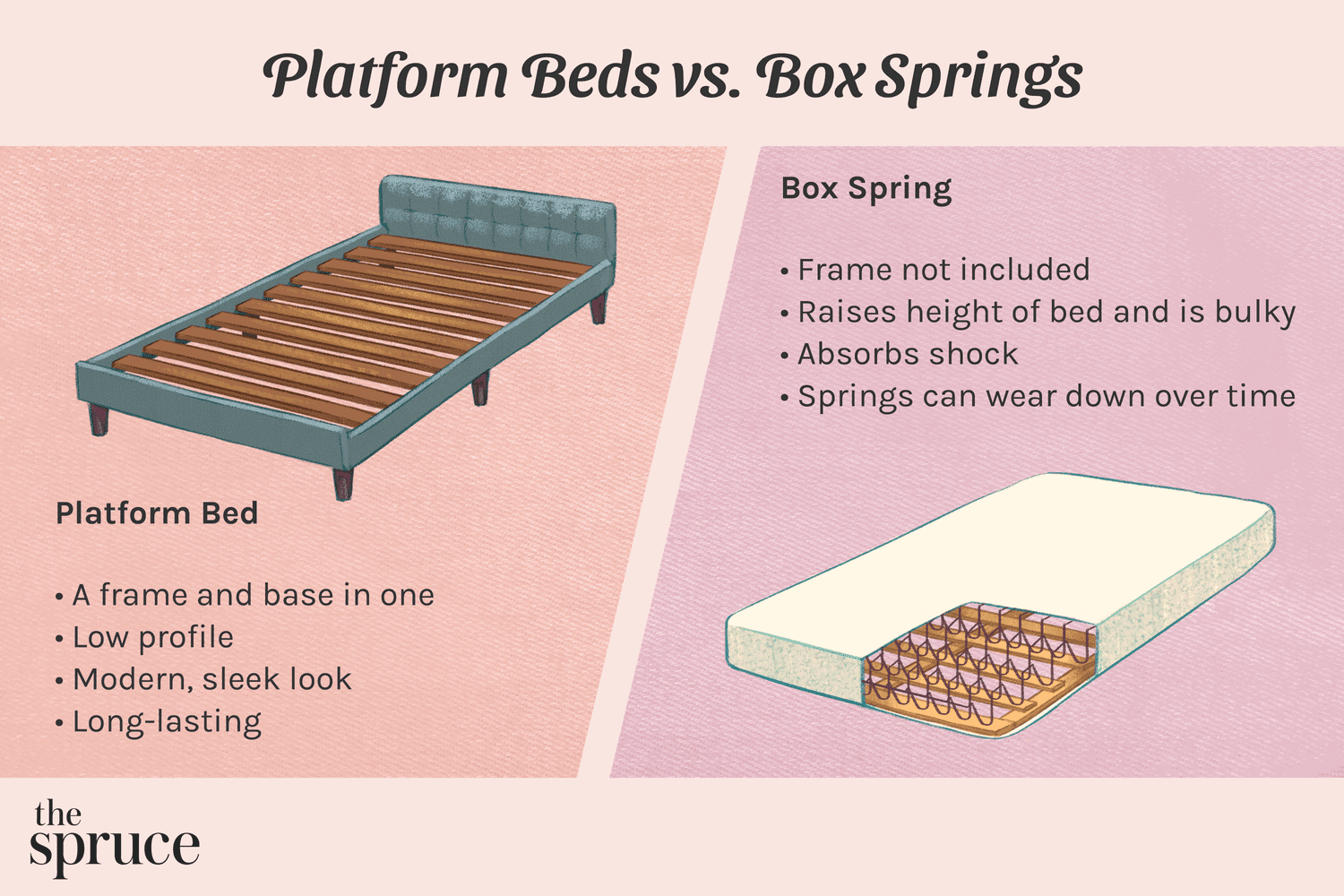
The term 'box spring' is something of a misnomer these days. While traditionally they did contain coils, many modern box springs are actually foundation systems. These look similar to traditional box springs but are constructed with a wooden frame and supportive grid. It’s important to understand the difference.
Traditional box springs utilize coils – bonnell coils, offset coils, or continuous coils – to provide support and absorb shock. Bonnell coils are the oldest type, known for their durability but also for transferring motion. Offset coils are more contouring, while continuous coils offer a more uniform sleep surface. These were originally designed to work with innerspring mattresses, enhancing their comfort and performance.
Using a box spring with a memory foam mattress is often unnecessary. Memory foam doesn't benefit from the shock absorption provided by coils; in fact, it can actually create uneven pressure points. However, a box spring can add height to the bed, which might be desirable for some. It can also complement a bedroom’s aesthetic, especially in more traditional settings.
The function of a box spring is to distribute weight and absorb shock. With an innerspring mattress, this works well. But memory foam already excels at pressure relief. Adding a box spring introduces another layer of potential instability and can compromise the mattress’s support.
Compatibility: Memory Foam & Foundations
The core question: does memory foam need a box spring? The answer, overwhelmingly, is no. Memory foam is designed to perform optimally on a flat, firm surface. A box spring introduces an unnecessary layer of bounce and can lead to sagging over time. The coils within a box spring aren’t designed to support the unique properties of memory foam.
Consider how memory foam works. It conforms to your body, distributing your weight across the surface. A box spring, with its inherent give, disrupts this process. It creates uneven pressure points, particularly in areas where you spend the most time – like your hips and shoulders. This can accelerate wear and tear and reduce the mattress’s lifespan.
However, there are a few scenarios where a box spring might be acceptable. If you require extra bed height, a low-profile foundation system that mimics a box spring but provides a solid surface can be a good option. If you have a strong aesthetic preference for the look of a bed with a box spring, you can use one, but be aware of the potential drawbacks. I would recommend choosing a foundation system without coils in this case.
The biggest risk with using a box spring is reduced support. This isn’t just about comfort; it's about the long-term health of your mattress. A compromised foundation can lead to premature sagging, loss of shape, and even voiding of your warranty. It's a gamble that, in most cases, isn't worth taking. Ashley Furniture's website, for example, notes that their platform beds are specifically designed to provide optimal support for memory foam mattresses.
Another factor is the type of memory foam. Higher-density foams are more resilient and can tolerate slightly less-than-ideal support, but even they will perform better on a solid foundation. Lower-density foams absolutely require a firm, even surface to prevent premature breakdown. You really need to consider the density when making your choice.
Platform vs. Box Spring vs. Foundation Systems for Memory Foam Mattresses (2026)
| Bed Frame Type | Support Level | Airflow | Height Adjustment | Aesthetic Versatility | Warranty Impact |
|---|---|---|---|---|---|
| Platform Bed | Excellent | Good | Fair | Excellent | Good |
| Traditional Box Spring | Fair | Poor | Good | Fair | Fair |
| Foundation System (Solid) | Good | Poor | Fair | Fair | Good |
| Foundation System (Slatted) | Good | Good | Fair | Fair | Good |
| Adjustable Base (with slats) | Excellent | Good | Excellent | Good | Good |
| Metal Platform Bed | Excellent | Excellent | Fair | Good | Good |
Illustrative comparison based on the article research brief. Verify current pricing, limits, and product details in the official docs before relying on it.
The truth about slat spacing
When choosing a platform bed, slat spacing is paramount. Too much space between the slats and your mattress will sag, creating an uneven sleep surface and potentially damaging the foam. Too little space and airflow is restricted, which can lead to moisture buildup and mold growth. It’s a delicate balance.
The ideal slat spacing depends on the density of your memory foam. Lower-density foams require closer slats – typically no more than 2.75 inches apart. Higher-density foams can tolerate slightly wider spacing, up to 3.5 inches. A good rule of thumb is to check your mattress warranty; many manufacturers specify maximum slat spacing.
Slat material also plays a role. Wooden slats are generally more flexible and can conform to your body, but they’re also more prone to bending or breaking over time. Metal slats are more durable, but they can be less forgiving. Some platform beds use a combination of both – wooden slats reinforced with metal supports.
Adjustable slat bases are becoming increasingly popular, and they’re an excellent choice for memory foam mattresses. These bases allow you to adjust the firmness of the bed, providing customized support and comfort. They also promote better airflow and can help prevent sagging. Models from brands like Tempur-Pedic often feature advanced adjustable bases designed specifically for their mattresses.
Troubleshooting: Squeaks & Stability
A squeaky bed frame is a common annoyance, but it’s often easily fixable. The first step is to identify the source of the squeak. Tighten all bolts and screws – this is the most common culprit. If the squeak persists, try lubricating the joints with a small amount of WD-40 or silicone spray. Be careful not to get any lubricant on the mattress.
If your platform bed is wobbly, check the legs for unevenness. You can use shims to level the frame. For more significant stability issues, consider adding additional support beams or reinforcing the existing ones. A quick trip to the hardware store can solve most wobble problems.
Memory foam-specific issues include mattress shifting and sagging. To prevent shifting, use a mattress protector with a non-slip backing. If your mattress is sagging, it could be a sign of inadequate support or a worn-out mattress. In this case, it’s time to consider a new foundation or even a new mattress.
Sometimes, the problem isn’t the frame itself, but the floor underneath. Uneven flooring can cause the bed to wobble or squeak. Consider using a rug or leveling the floor to create a more stable base. If you're consistently battling these issues, it may be time to consult a professional furniture repair technician.
- Tighten all bolts and screws.
- Rub a little candle wax or silicone spray on the joints to stop metal-on-metal rubbing.
- Use shims to level the frame.
- Add additional support beams if needed.
Featured Products
Tool-free assembly · 14-inch height for underbed storage · Sturdy steel construction
This platform bed frame provides a robust and stable foundation, ideal for supporting the dense structure of memory foam mattresses without the need for a box spring.

Upholstered boucle design with adjustable headboard · Rounded corners for safety · Solid wood legs
The solid construction and ample support from the wooden legs make this platform bed a stylish and secure choice for memory foam, preventing sagging and ensuring even weight distribution.
Tool-less assembly · Durable powder-coated steel · GREENGUARD Gold Certified
Engineered for simplicity and durability, this metal platform bed offers a consistently supportive surface that prevents the premature breakdown often associated with memory foam on inadequate bases.
Sturdy wooden slats · 8-inch leg height · Contemporary upholstered design
Featuring strong wooden slats and a durable frame capable of holding up to 700 pounds, this bed frame ensures comprehensive support for memory foam, promoting longevity and optimal comfort.
As an Amazon Associate I earn from qualifying purchases. Prices may vary.


No comments yet. Be the first to share your thoughts!