

Beyond Wood: The Rise of Eco-Conscious Frames
There's a shift happening in the furniture world, and it's about time. Consumers are increasingly aware of the environmental impact of their purchases, and that includes the often-overlooked bed frame. For years, we’ve focused on mattresses—organic cotton, latex, wool—but the foundation holding it all up has largely been an afterthought. It’s a strange blind spot, considering the amount of material and energy that goes into even a simple frame.
Bed frames traditionally rely heavily on wood, often hardwoods sourced in ways that contribute to deforestation. Beyond the source of the wood, the manufacturing process and eventual disposal of the frame are also significant environmental considerations. We’re at a point where simply accepting these impacts isn’t enough for a growing number of people. They want to know where their furniture comes from and how it’s made.
As we move into 2026, expect to see a dramatic increase in demand for sustainable bed frames. This isn’t just a fleeting trend; it’s a fundamental change in how people approach furnishing their homes. The focus is shifting toward materials with a lower environmental footprint, ethical manufacturing processes, and designs that prioritize longevity and reparability. People are finally asking questions, and manufacturers are beginning to respond.
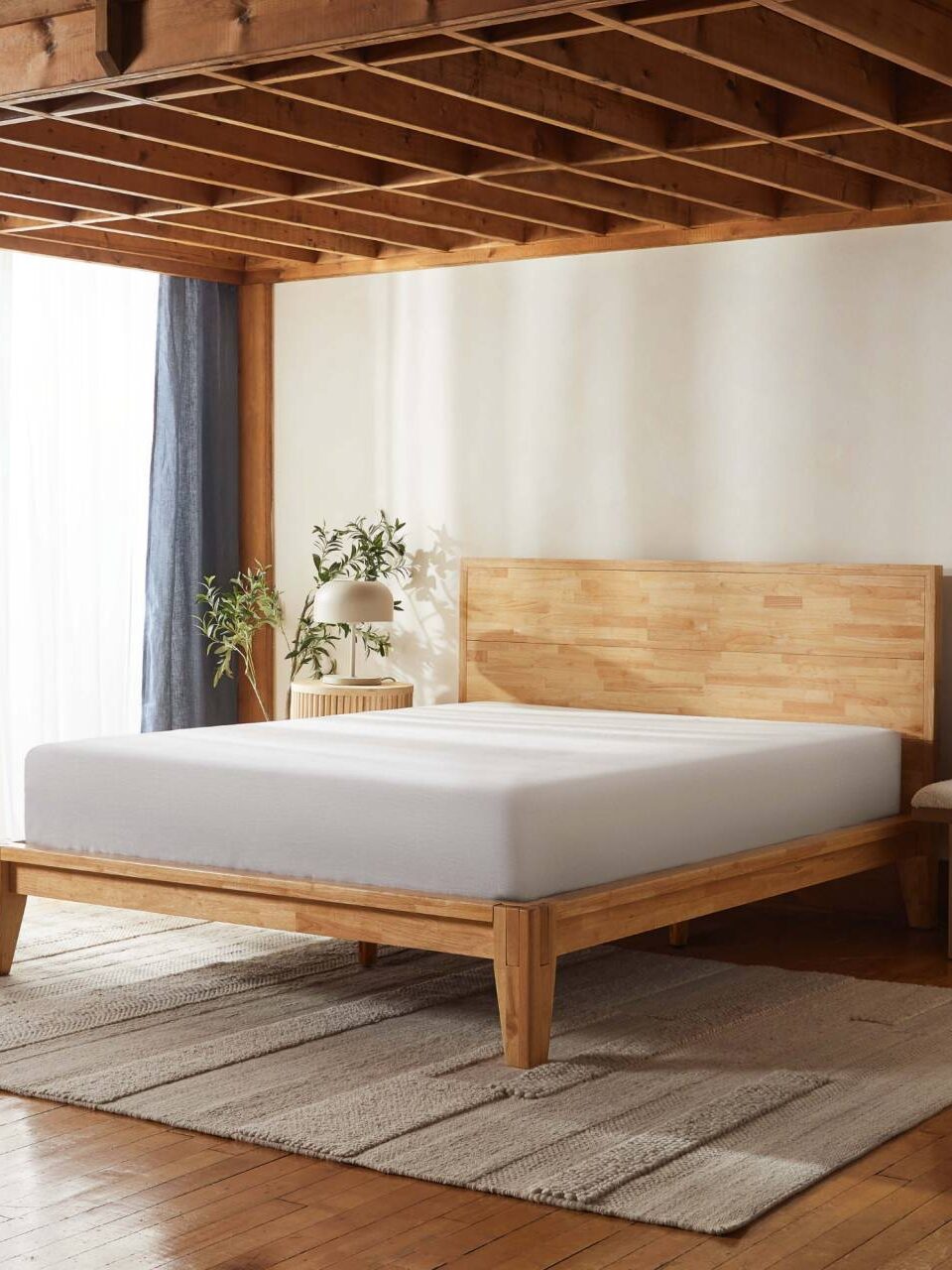
bamboo for strength and speed
Bamboo is emerging as a frontrunner in the sustainable materials race, and for good reason. It’s one of the fastest-growing plants on Earth, with some species growing up to 36 inches in a single day. This rapid growth rate means it can be harvested much more quickly than traditional hardwoods, reducing pressure on forests. The renewability factor is huge; a bamboo grove can be harvested repeatedly without killing the plant.
But bamboo isn’t just about speed. It’s surprisingly strong—in some cases, even stronger than steel in tensile strength. This makes it an excellent material for bed frame construction, providing the necessary support and durability. Different types of bamboo are used, with Moso bamboo being a popular choice due to its robustness and availability. However, it's important to remember that not all bamboo is created equal.
Concerns about bamboo's durability and potential for splintering are valid, but modern bamboo processing techniques have largely addressed these issues. High-quality bamboo bed frames are treated to increase their resistance to wear and tear. Still, it’s wise to look for frames with a protective finish and to read reviews to gauge long-term performance. The Good Trade’s 2026 roundup highlights several brands using responsibly sourced bamboo.
The environmental benefits extend beyond the plant itself. Bamboo requires minimal water and pesticides to grow, further reducing its environmental impact. It also absorbs more carbon dioxide than trees, acting as a carbon sink. This makes it a compelling alternative for those seeking to minimize their carbon footprint.
reclaimed wood history
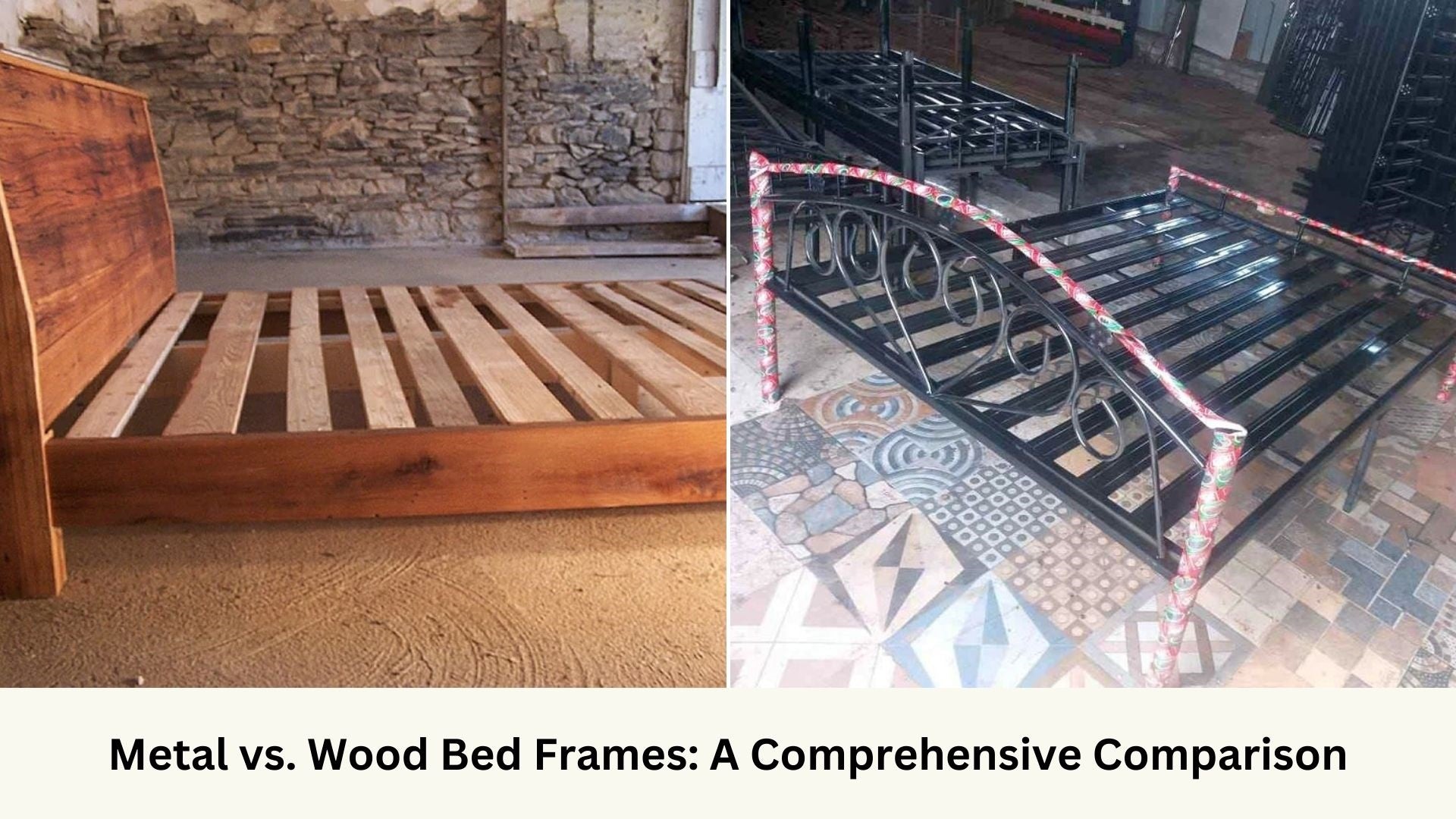
There's a unique appeal to reclaimed wood – it’s not just about sustainability; it’s about history. These frames tell a story, often crafted from wood salvaged from old barns, factories, or buildings. Repurposing this material keeps it out of landfills and reduces the demand for newly harvested timber. It feels good to sleep on something with a past.
Sourcing can vary widely. Some companies specialize in deconstructing old buildings to reclaim wood, while others work with demolition companies. However, potential contaminants in older wood are a legitimate concern. Lead paint, for example, was commonly used in the past. Reputable manufacturers address this by carefully inspecting and cleaning the wood, often using specialized techniques to remove any harmful substances.
The aesthetic of reclaimed wood is undeniably charming. Each piece is unique, with variations in grain, color, and texture. It adds character and warmth to a bedroom that new wood simply can’t replicate. Companies like Board & Batten specialize in crafting bed frames from reclaimed wood, showcasing the beauty of repurposed materials. Expect to pay a premium for this character, though.
Metal Frames: Recycled Steel and Circularity
Metal frames are often dismissed as industrial, but they are highly sustainable when made from recycled stock. Steel and aluminum can be melted down and reused indefinitely without losing structural integrity. Most eco-friendly brands now use at least 25% recycled content, with some specialized manufacturers reaching much higher.
The end-of-life scenario for metal frames is also a major advantage. Unlike wood, which can be difficult to recycle, metal can be repeatedly recycled without losing its properties. This contributes to a circular economy, reducing waste and conserving resources. A well-made metal frame can last for decades, further minimizing its environmental impact.
The environmental impact of metal production itself is a valid concern. Mining and processing metal ores can be energy-intensive and polluting. However, manufacturers are actively working to reduce their carbon footprint through the use of renewable energy and more efficient production processes. Look for companies that prioritize responsible sourcing and manufacturing practices.
california voc regulations
California has some of the strictest regulations in the country regarding VOC (Volatile Organic Compound) emissions from household goods, including upholstered furniture and bedding. The Bureau of Household Goods and Services (bhgs.dca.ca.gov) enforces these regulations, requiring manufacturers to meet specific standards for formaldehyde and other harmful chemicals. These laws are designed to protect consumers from exposure to potentially hazardous substances.
These regulations aren't just about consumer health; they're also driving manufacturers to use more sustainable materials and finishes. Traditional adhesives and fabrics often contain high levels of VOCs, so companies are increasingly turning to water-based adhesives, natural latex, and organic cotton to comply with California’s standards. This has a ripple effect, influencing manufacturing practices beyond the state.
When shopping for a bed frame, look for products that are certified to meet California’s VOC emission standards. Product labels should indicate compliance with these regulations. While these labels don't guarantee a product is completely sustainable, they are a good indicator of a manufacturer’s commitment to reducing harmful emissions.
🪚 From 1800s lumber mill to your home.
— Maker Marketplace (@MakerMktplace) March 14, 2025
Brick Mill Co. crafts:
➊ Custom armoires (0% VOC 🌿)
➋ Expansive Shaker tables
➌ Eco-friendly bed frames
👉 Made in PA, built for lifetimes → https://t.co/AyWxmaVqM0#SustainableDecor #CustomWoodworking pic.twitter.com/AgV7u98Pjo
Beyond Materials: Ethical Manufacturing
Sustainability isn't just about what a bed frame is made of; it's also about how it's made. Ethical manufacturing practices are crucial, encompassing fair labor standards, responsible forestry, and a commitment to minimizing environmental impact throughout the supply chain. A beautiful frame made under exploitative conditions isn’t truly sustainable.
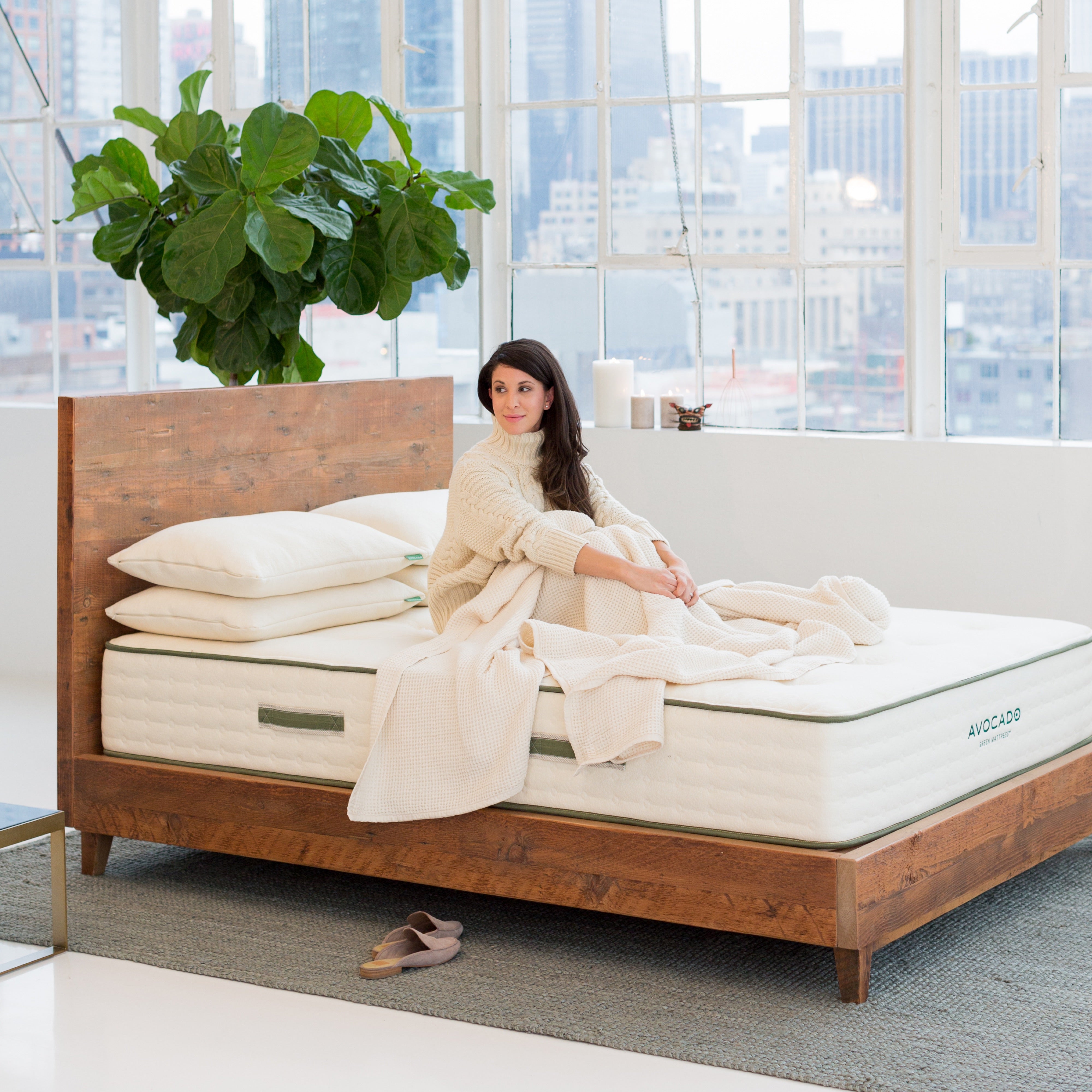
Avocado Green Mattress is a good example of a company prioritizing ethical manufacturing. They are committed to using organic and sustainable materials, as well as ensuring fair labor practices in their factories. They are transparent about their supply chain and actively work to minimize their environmental footprint. This level of transparency is increasingly important to consumers.
Look for certifications like Fair Trade and Forest Stewardship Council (FSC) to verify a manufacturer’s commitment to ethical sourcing and responsible forestry. These certifications provide assurance that the wood used in the frame comes from sustainably managed forests and that workers are treated fairly. It’s about supporting companies that value people and the planet.
No comments yet. Be the first to share your thoughts!