

Broken Bed Frame? Don't Panic.
Finding a problem with your bed frame can be unsettling, but don't immediately assume the worst. Many issues are straightforward to fix with a few tools and some patience. This article covers seven common bed frame problems homeowners can tackle themselves, saving money and the hassle of a repair service.
The world of DIY is better equipped than ever. Stronger repair options and plentiful online resources are available. However, some problems still crop up regularly – squeaks, wobbles, and broken slats. Being prepared is helpful.
Some repairs are best left to professionals. If you're dealing with significant structural damage or are uncomfortable with basic repairs, call an expert. For most common issues, a little elbow grease goes a long way. This article focuses on manageable fixes.
Squeaks and Rattles: The Loose Bolt Detective
The most common complaint about bed frames is squeaking. It's annoying, disrupts sleep, and can feel like the bed is falling apart. Fortunately, it's often easy to resolve. Most squeaks are caused by loose bolts or screws.
Systematic investigation is key. Start by gently shaking the bed to pinpoint the noise source. Have a partner help – one shakes, the other listens. Check every bolt and screw you can find, starting with those connecting the headboard, footboard, and side rails. Frames use different fasteners; you'll likely encounter Allen wrench screws and Phillips head screws.
Once you've identified loose hardware, tighten it securely, but don't overtighten, as you could strip the screw or damage the wood. WD-40 or silicone lubricant can help with stubborn bolts, but use it sparingly. Too much lubricant attracts dust and grime, making the problem worse. Silicone spray is a cleaner, longer-lasting solution.
Slats Slipping or Breaking: A Support System Failure
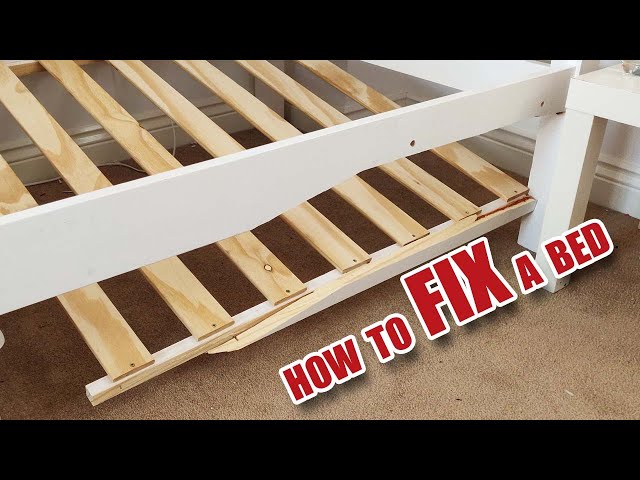
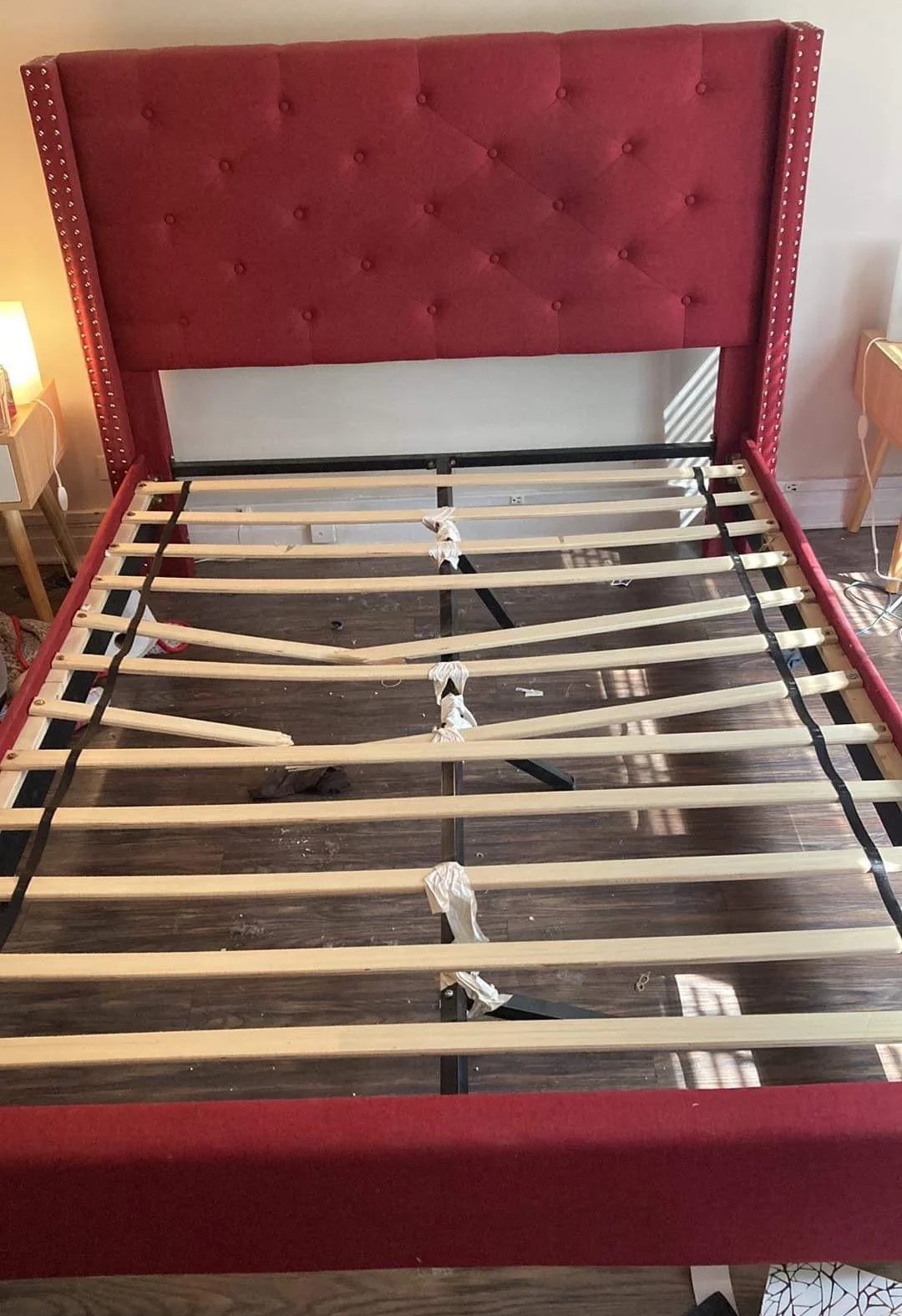
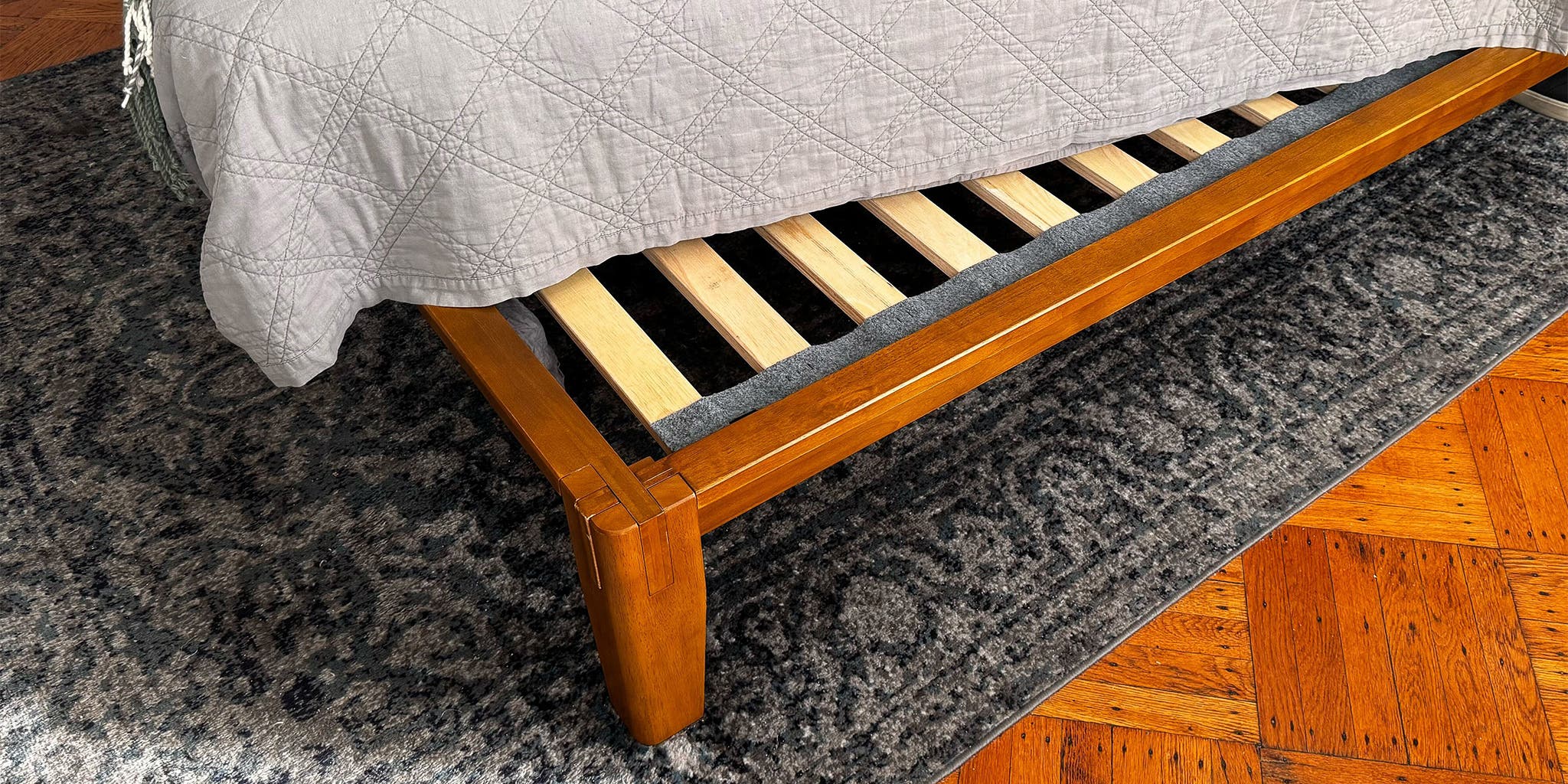
Slats support your mattress and distribute weight evenly. When slats slip, break, or go missing, comfort and stability suffer. Slats break due to age, excessive weight, or poor quality wood.
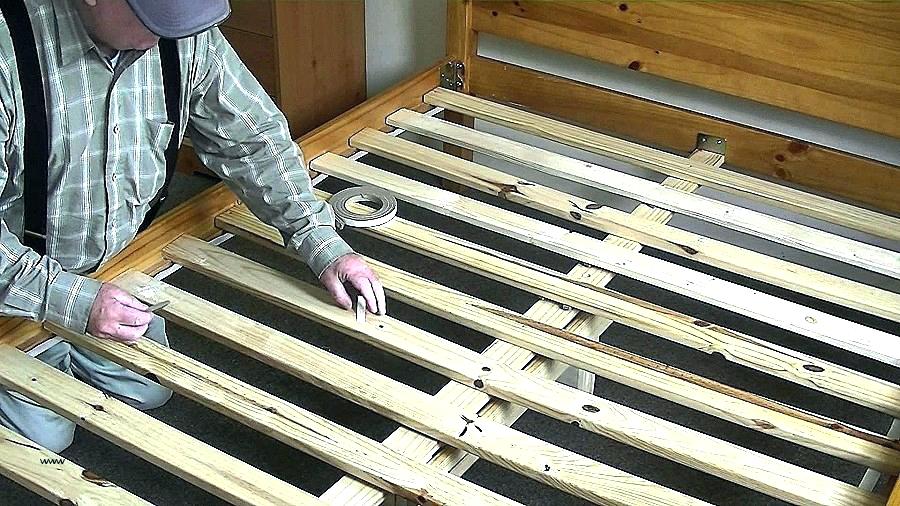
Strong packing tape can temporarily secure a minor crack or slip. For a broken slat, replacement is best. Individual slats or complete kits are available online. Amazon has a good selection of bed frame repair kits.
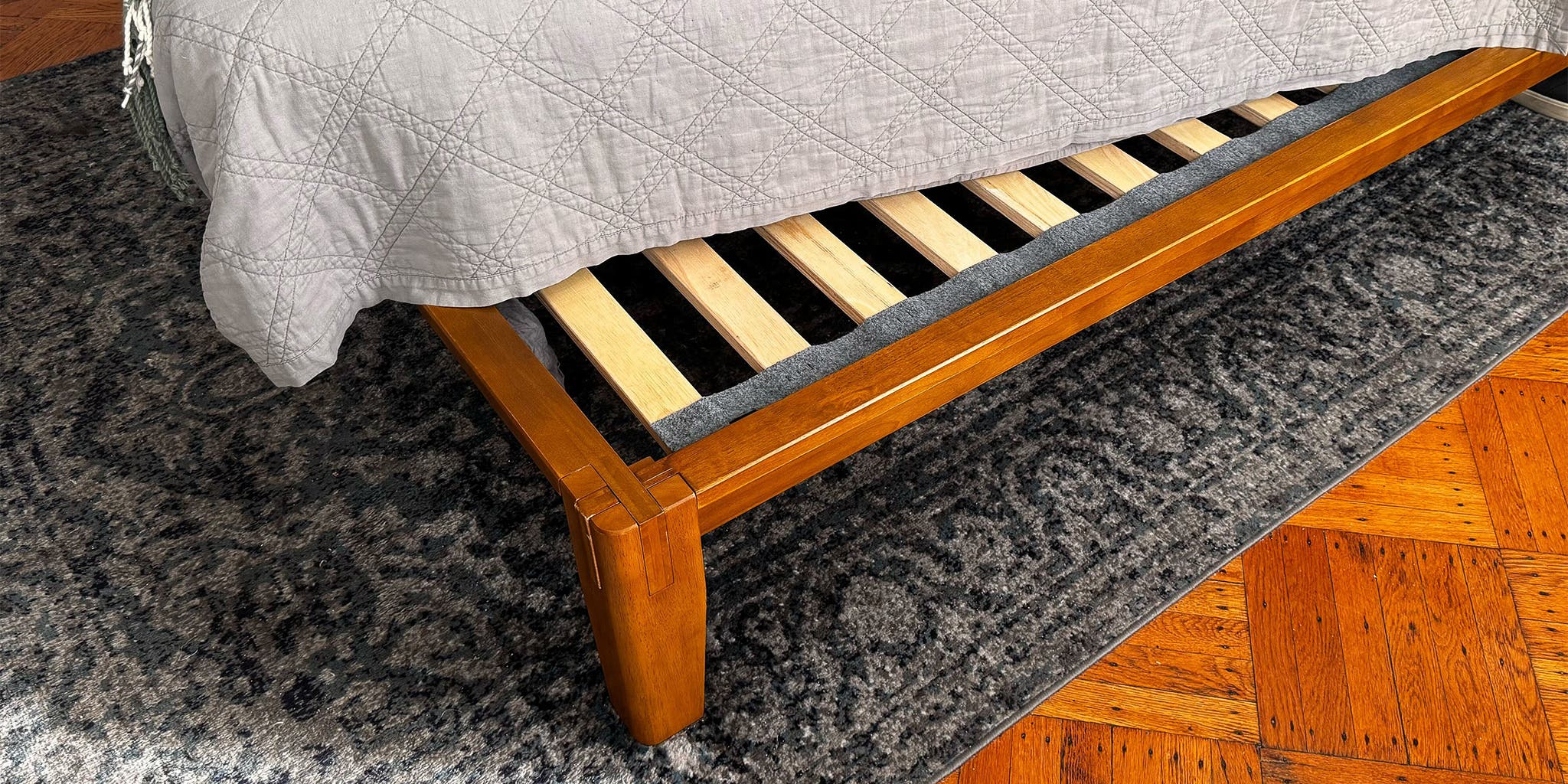
Pay attention to slat spacing. Wide gaps can cause your mattress to sag. Narrow gaps restrict airflow, potentially leading to moisture buildup. Most manufacturers recommend a maximum gap of 3-4 inches. Inspect your frame regularly for loose or damaged slats.
Wobbly Legs: Leveling the Playing Field
A wobbly bed frame is annoying and can be a safety hazard. It's usually caused by uneven legs or loose attachments. Identify which leg(s) cause the wobble by gently rocking the bed and observing which corner lifts off the floor.
Using shims is often the simplest solution. These are small pieces of wood, plastic, or felt slid under short legs to level the frame. Pre-made shims are available at most hardware stores, or you can make your own from scrap wood. Check leg attachments and tighten any loose bolts or screws. If the attachment is still wobbly, add wood glue for extra stability.
Sometimes, the floor is the problem. Uneven floors are common. You might need to use shims on multiple legs or furniture coasters with adjustable heights. Stacks of cardboard are a last resort.
Broken Side Rails: Pillow Fight Aftermath
A broken side rail is more serious than a loose bolt but often repairable. These breaks are frequently the result of exuberant activity, like pillow fights or jumping on the bed.
Bracing and reinforcement are essential for a successful repair to restore the rail's structural integrity. Depending on the break's severity, use metal plates, wood glue, and screws to reinforce the damaged area. Metal corner braces are effective.
This repair requires woodworking skills and the right tools. If the break is severe, or you're not comfortable working with wood, call a professional. A repair beyond your skill level could compromise the bed's safety and lead to further damage. Knowing your limits is critical.
Before starting, ensure a clean break. If the wood is splintered or crushed, the repair will be more difficult. Clean the broken edges with sandpaper to create a smooth surface for gluing and screwing.
Headboard Troubles: Loose or Missing Connections
Loose or wobbly headboards are a common annoyance, usually stemming from loose screws or damaged mounting plates. Inspect the bolts or brackets attaching the headboard to the frame and tighten any loose fasteners. If screws are stripped, use larger screws or add wood glue to the hole before re-tightening.
Headboards attach to frames in different ways – with bolts, brackets, or by sliding into slots. Understanding your headboard's attachment method is key to a successful repair. Some headboards are free-standing and don't attach to the frame, making them simpler to deal with.
Zip ties can be a temporary fix, but they are not a reliable long-term repair. Properly securing your headboard provides a stable and aesthetically pleasing result.
Box Spring Support: Reinforcing the Foundation
undefined time, the support system within the frame can become damaged or weakened. Regularly inspect the wooden or metal slats that support the box spring for cracks, breaks, or sagging.
Reinforcing these supports with additional wood or metal brackets can significantly extend the life of your bed frame. For sagging supports, consider adding a center support beam running the length of the frame. This provides extra stability, especially for heavier mattresses.
The TikTok video on bed frame support repair (tiktok.com: Fix Your Bed Frame: Easy DIY Support Repair) demonstrates a simple method of using 2x4s to reinforce weakened supports. If your box spring itself is sagging, it may need to be replaced. A damaged box spring can compromise the entire bed frame and affect your sleep quality.
When to Call a Pro (and Avoid Disaster)
I’ve emphasized DIY solutions, but it’s crucial to recognize the limits of what you can safely and effectively repair yourself. Major structural damage, especially involving metal frames or welding, is best left to professionals. Attempting these repairs without the proper skills and equipment could compromise the safety of the bed.
If you're unsure about any repair, or if you feel uncomfortable tackling it, don’t hesitate to get a second opinion. A professional can assess the damage and provide a reliable solution. Remember, your safety and a good night’s sleep are worth the cost of professional help.
Don’t risk injury or further damage by attempting a repair that’s beyond your capabilities. Sometimes, the smartest solution is to call in an expert and let them handle it. It’s a small price to pay for peace of mind.
No comments yet. Be the first to share your thoughts!