

Platform Bed Frames vs Box Springs: The Ultimate 2024 Guide to Choosing the Right Foundation
Part 1: Understanding Your Foundation Options
When it comes to creating the perfect sleep sanctuary, your mattress foundation plays a crucial role that extends far beyond simple support. The choice between platform bed frames and box springs can significantly impact your sleep quality, bedroom aesthetics, and long-term investment value. As we navigate through 2024's evolving sleep technology landscape, understanding these foundational differences has become more important than ever.
The foundation beneath your mattress serves multiple critical functions: it provides structural support, ensures proper airflow, maintains mattress warranty compliance, and contributes to your overall sleep experience. With modern mattress technologies advancing rapidly—from memory foam innovations to hybrid constructions—your foundation choice must align with both your mattress type and personal sleep preferences.
Platform Bed Frames: Modern Simplicity Meets Function
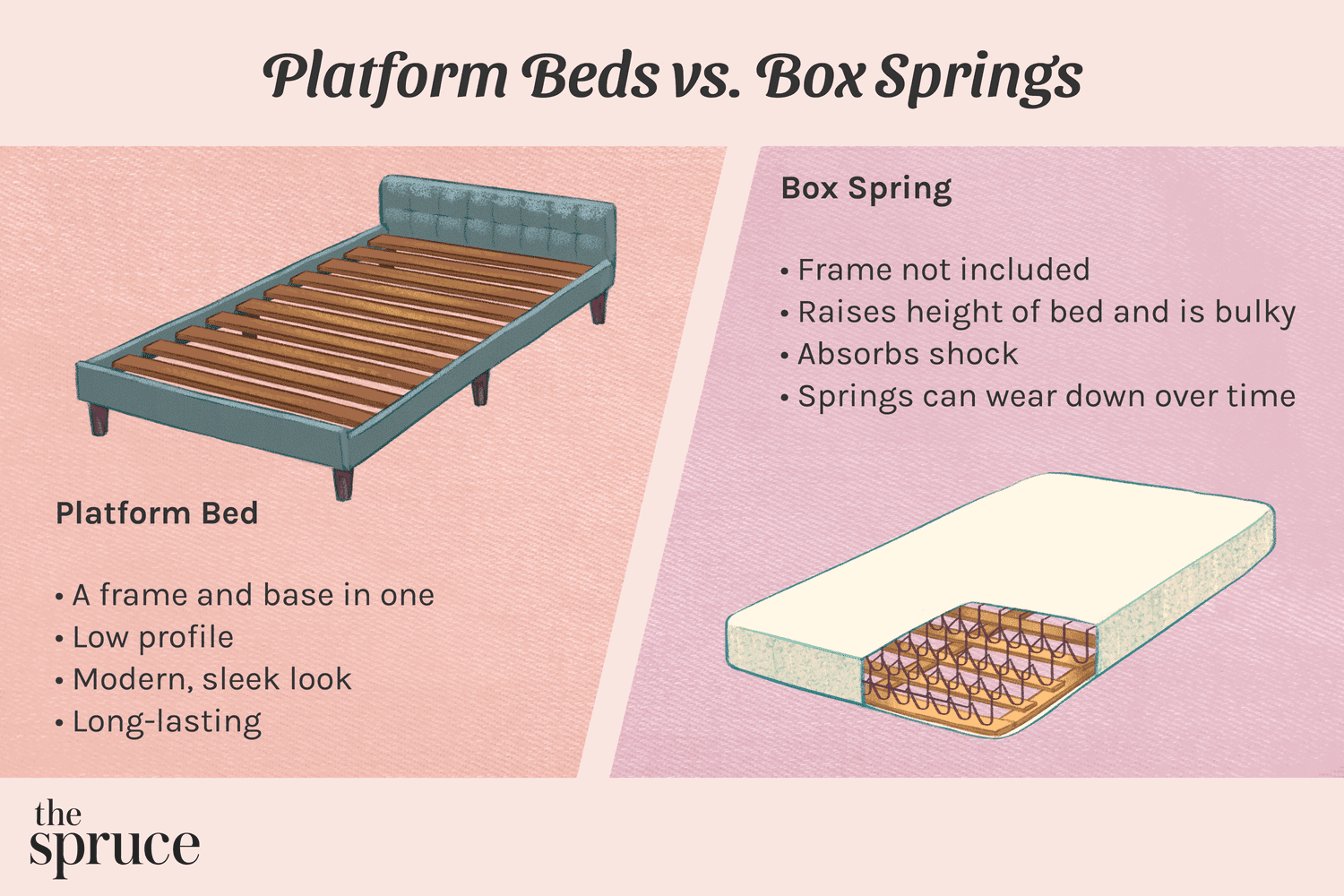
Platform bed frames represent the contemporary approach to mattress support, featuring a solid or slatted base that eliminates the traditional need for a box spring. These foundations typically stand between 6 to 18 inches tall, offering a sleek, low-profile aesthetic that complements modern bedroom designs.
The construction of platform beds varies significantly across materials and designs. Wooden platform frames often feature solid wood slats spaced 2-3 inches apart, providing excellent support distribution. Metal platform frames may incorporate a grid system or closely-spaced slats, offering durability and often coming at a more budget-friendly price point. Some premium platform beds include built-in storage solutions, maximizing bedroom space efficiency.
One of the most significant advantages of platform bed frames lies in their universal mattress compatibility. Whether you own a memory foam, latex, hybrid, or traditional innerspring mattress, platform beds provide appropriate support without requiring additional foundation layers. This versatility makes them particularly attractive for consumers who may change mattress types in the future.
Platform Bed Frames vs Box Springs: Complete Comparison Guide 2024
| Feature | Platform Bed Frames | Box Spring Foundation | Hybrid Platform | Traditional Metal Frame |
|---|---|---|---|---|
| Height Range | 6-18 inches | 16-25 inches | 8-20 inches | 7-14 inches |
| Material Options | Wood, Metal, Upholstered | Wood frame with springs/coils | Wood/Metal with partial springs | Steel, Iron |
| Price Range | $150-$800 | $200-$600 | $300-$900 | $100-$400 |
| Mattress Compatibility | Memory foam, latex, hybrid | Innerspring, some hybrids | All mattress types | Requires box spring |
| Storage Options | Built-in drawers available | None | Limited drawer options | None |
| Assembly Required | Moderate to complex | Minimal | Moderate | Simple |
| Lifespan | 10-15 years | 8-12 years | 10-14 years | 15-20 years |
| Weight Capacity | 500-1000 lbs | 300-600 lbs | 600-800 lbs | 400-800 lbs |
Platform beds excel in several key areas that make them increasingly popular among modern consumers. Their low-profile design creates an illusion of more space in smaller bedrooms, while their sturdy construction often provides superior durability compared to traditional box spring systems. Many platform beds also offer integrated storage solutions, addressing the growing need for space optimization in urban living environments.
Box Springs: Traditional Support with Time-Tested Benefits
Box springs have served as the standard mattress foundation for decades, consisting of a wooden frame filled with springs or metal coils, topped with fabric covering. Traditional box springs typically add 8-9 inches of height to your sleep setup, creating a more elevated sleeping position that many find easier for getting in and out of bed.
Modern box spring designs have evolved considerably from their original spring-based construction. Many contemporary versions feature wooden slats or metal grids instead of coils, providing more consistent support while maintaining the traditional height and feel. These updated designs often offer improved durability and reduced motion transfer compared to older spring-based models.
Box springs particularly excel with traditional innerspring mattresses, providing the responsive support that complements coil-based mattress construction. The slight give in a quality box spring can enhance the comfort characteristics of innerspring mattresses, creating a more traditional sleep feel that many consumers prefer.
Platform Bed Frames vs Box Springs: Cost Comparison by Quality Tier and Material (2024)
| Foundation Type | Quality Tier | Material | Price Range | Lifespan |
|---|---|---|---|---|
| Platform Bed Frame | Budget | Pine Wood/Metal | $80-$200 | 5-8 years |
| Platform Bed Frame | Mid-Range | Solid Wood/Steel | $200-$500 | 10-15 years |
| Platform Bed Frame | Premium | Hardwood/Upholstered | $500-$1,200 | 15-20 years |
| Box Spring | Budget | Basic Coil/Wood Frame | $60-$150 | 5-7 years |
| Box Spring | Mid-Range | Pocketed Coil/Reinforced | $150-$350 | 8-12 years |
| Box Spring | Premium | High-Coil Count/Split | $350-$800 | 12-15 years |
| Platform Bed Frame | Luxury | Reclaimed Wood/Designer | $1,200-$3,000 | 20+ years |
| Box Spring | Luxury | Hand-Crafted/Split King | $800-$1,500 | 15-18 years |
However, box springs do present certain limitations in today's mattress landscape. Many modern mattress types, particularly memory foam and latex models, perform better on solid, unyielding surfaces that platform beds provide. Additionally, box springs require replacement more frequently than platform beds, as their internal components can wear out or break over time.
Making the Right Choice for Your Sleep Needs
The decision between platform bed frames and box springs ultimately depends on multiple factors including your mattress type, bedroom space, aesthetic preferences, and budget considerations. Understanding these foundational differences sets the stage for making an informed decision that will support quality sleep for years to come.
In the following sections of this comprehensive guide, we'll dive deeper into specific compatibility considerations, detailed cost analyses, and practical decision-making frameworks to help you choose the perfect foundation for your unique sleep situation.
Part 2: Detailed Comparison - Platform Bed Frames vs Box Springs
Now that we've established the basic differences between platform bed frames and box springs, let's dive deeper into the specific factors that should influence your decision. Understanding these nuances will help you make an informed choice that aligns with your sleep preferences, budget, and bedroom aesthetics.
Performance and Support Characteristics
The fundamental difference in how these two foundation types support your mattress creates distinct sleeping experiences. Platform bed frames provide direct, even support across the entire mattress surface through their solid base or closely-spaced slats. This consistent support prevents sagging and maintains proper spinal alignment, particularly beneficial for back and stomach sleepers who require firmer support.
Box springs, conversely, offer a different support mechanism through their internal coil system. This creates a slightly softer, more responsive feel that can enhance the comfort of traditional innerspring mattresses. However, this same flexibility can be problematic for memory foam and latex mattresses, which perform better on solid, unwavering surfaces.
Platform Bed Frames vs Box Springs: Complete Comparison Guide 2024
| Feature | Platform Bed Frames | Box Springs | Winner |
|---|---|---|---|
| Support Type | Solid slat or panel support directly under mattress | Coil springs with fabric covering on separate frame | Platform Beds |
| Height Range | 6-18 inches from floor | 16-25 inches from floor (including frame) | Platform Beds |
| Average Cost | $150-$800 for quality frames | $200-$600 for box spring + $100-$500 for frame | Platform Beds |
| Durability | 8-15 years with proper care | 6-10 years before sagging occurs | Platform Beds |
| Mattress Compatibility | All mattress types, especially memory foam and latex | Best with innerspring, limited foam support | Platform Beds |
| Assembly Required | Moderate assembly, 1-3 hours | Minimal assembly, box spring pre-built | Box Springs |
| Storage Options | Often includes built-in drawers or under-bed space | Limited storage, higher clearance only | Platform Beds |
| Maintenance | Occasional slat tightening, easy cleaning | Regular rotation, fabric care, spring inspection | Platform Beds |
The height difference between these options significantly impacts both functionality and aesthetics. Platform beds typically range from 6 to 18 inches in height, creating a modern, minimalist appearance that works well in contemporary bedroom designs. This lower profile makes bed-making easier and can make smaller rooms appear more spacious.
Box springs add considerable height to your sleep setup, typically raising the mattress 8 to 12 inches higher than a platform bed would. While this can make getting in and out of bed easier for some individuals, particularly older adults or those with mobility issues, it can overwhelm smaller bedrooms and may require longer bed skirts or different bedding arrangements.
Cost Analysis and Long-Term Value
When evaluating bed frames guide recommendations, cost considerations extend beyond the initial purchase price. Platform bed frames generally offer better long-term value despite potentially higher upfront costs for quality models.
Platform Bed Frames vs Box Springs: 10-Year Cost Analysis by Price Range
| Foundation Type | Price Range | Initial Cost | Replacement Frequency (Years) | Total 10-Year Cost |
|---|---|---|---|---|
| Platform Bed Frame | Budget ($100-300) | $200 | 10-15 | $200 |
| Box Spring + Frame | Budget ($100-300) | $250 | 8-10 | $500 |
| Platform Bed Frame | Mid-Range ($300-700) | $500 | 15-20 | $500 |
| Box Spring + Frame | Mid-Range ($300-700) | $550 | 10-12 | $1,100 |
| Platform Bed Frame | Premium ($700+) | $900 | 20-25 | $900 |
| Box Spring + Frame | Premium ($700+) | $1,000 | 12-15 | $1,500 |
| Platform Bed Frame | Average All Ranges | $533 | 15 | $533 |
| Box Spring + Frame | Average All Ranges | $600 | 10 | $1,033 |
Platform beds eliminate the need for box spring replacement, which typically occurs every 8 to 10 years. Quality platform bed frames can last 15 to 20 years with proper care, making them more economical over time. Additionally, many platform beds include built-in storage solutions, providing added value through increased bedroom organization capabilities.
Box springs require periodic replacement and may need more frequent adjustments or repairs due to their internal coil mechanisms. However, they often have lower initial costs, making them attractive for budget-conscious buyers or temporary living situations.
Mattress Compatibility Considerations
Modern mattress technology has shifted toward designs that perform optimally on solid, supportive surfaces. Memory foam, latex, and hybrid mattresses benefit from the consistent support that platform bed frames provide. These mattress types can actually be damaged by the give and flex of traditional box springs, which may void manufacturer warranties.
Innerspring mattresses remain the most versatile option, performing well on both platform beds and box springs. However, even with innerspring mattresses, platform beds often provide superior support and longevity.
Assembly and Maintenance Requirements
Platform bed frames typically require more complex initial assembly but minimal ongoing maintenance. Quality models feature robust construction that rarely needs adjustment once properly assembled. Regular dusting and occasional tightening of hardware represent the extent of required upkeep.
Box springs are generally easier to set up initially but may require more frequent maintenance. The internal springs can develop squeaks over time, and the fabric covering may need replacement. Additionally, box springs are more susceptible to damage during moves due to their internal mechanisms.
The decision between platform bed frames and box springs ultimately depends on your specific needs, preferences, and circumstances. Consider your mattress type, bedroom size, mobility requirements, and long-term budget when making this important choice. In our final section, we'll provide specific recommendations based on different scenarios and sleeping preferences to help you make the best decision for your unique situation.
Part 3: Making Your Final Decision - Expert Recommendations and Buying Guide
After examining the fundamental differences and detailed comparisons between platform bed frames and box springs, it's time to make an informed decision that aligns with your specific needs, budget, and lifestyle preferences.
Price Analysis: What to Expect in 2024
Understanding the financial investment for each option helps narrow down your choices. Platform bed frames and box spring setups vary significantly in cost depending on materials, brand, and features.
Generally, platform bed frames offer better long-term value due to their durability and the elimination of box spring replacement costs. Entry-level platform beds start around $150-300, while premium solid wood or designer metal frames can reach $800-1500. Box springs typically cost $100-400, but remember you'll also need a compatible bed frame, adding $200-600 to your total investment.
Decision Matrix: Which Foundation Suits Your Situation
Your ideal choice depends on several interconnected factors. Consider your mattress type, bedroom space, physical needs, and long-term plans when evaluating these options.
Memory foam and latex mattress owners typically find platform beds more suitable due to the firm, even support these mattresses require. Conversely, traditional innerspring mattresses often perform better with box springs, which provide the slight give that enhances comfort and extends mattress life.
Expert Buying Checklist
Before making your purchase, ensure you've considered all essential factors that impact your sleeping experience and bedroom functionality.
Pay particular attention to weight capacity ratings, especially for couples or those with heavier mattresses. Quality platform beds should support 500-1000 pounds, while box spring combinations typically handle 300-600 pounds effectively.
Common Concerns and Solutions
Many buyers hesitate due to misconceptions or specific concerns about each foundation type. Addressing these concerns helps clarify the decision-making process.
One frequent concern involves mattress warranties. Most manufacturers now accept platform beds as valid support systems, provided they meet specific slat spacing requirements (typically 3 inches or less between slats). Always verify warranty terms before purchasing.
Final Recommendations
Choose platform bed frames if you prioritize modern aesthetics, have memory foam or latex mattresses, need under-bed storage, or want a long-term investment. They're particularly suitable for smaller spaces, minimalist designs, and those seeking firm, consistent support.
Opt for box springs if you have traditional innerspring mattresses, prefer higher bed heights, need easier mattress replacement, or have mobility concerns that benefit from increased bed elevation. Box springs also work well in traditional bedroom designs and for those who frequently change mattresses.
Regardless of your choice, invest in quality construction and proper materials. Your foundation significantly impacts sleep quality, mattress longevity, and overall bedroom satisfaction. Take time to research specific models, read reviews, and consider your long-term needs rather than focusing solely on immediate cost savings.
No comments yet. Be the first to share your thoughts!