

Spot the right wood for your Bed Arc
Choosing the right wood for your Bed Arc frame is the first step toward a piece that lasts decades. The difference between a sturdy, heirloom-quality frame and one that wobbles or cracks within a few years often comes down to the species of wood used. Understanding the distinction between hardwoods and softwoods will help you make a confident purchase.
Hardwoods vs. Softwoods
The terms "hardwood" and "softwood" refer to the tree's botanical classification, not necessarily how hard the wood feels to the touch. Hardwoods come from deciduous trees (like oak, maple, and walnut) that shed their leaves annually. These woods are generally denser, heavier, and more resistant to dents and wear. They are the preferred choice for structural furniture like bed frames because they can support significant weight over time without sagging.
Softwoods come from coniferous trees (like pine, cedar, and fir) that keep their needles year-round. While some softwoods are quite durable, they are typically lighter and softer than hardwoods. This makes them more susceptible to dents and scratches. However, high-quality softwoods can still make beautiful, sturdy frames if they are properly treated and designed with adequate structural support.
Durability and Structural Integrity
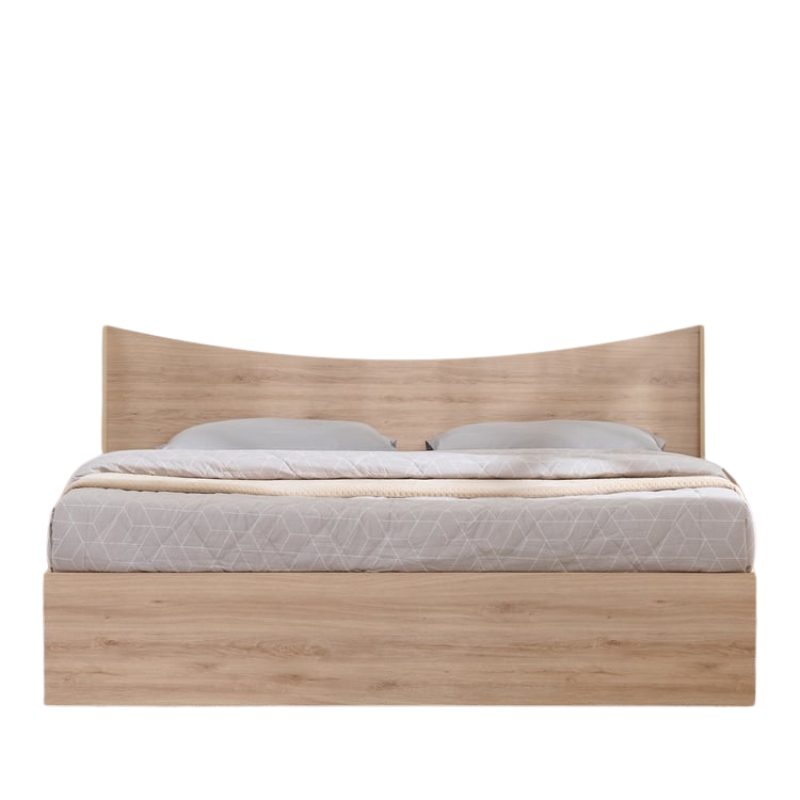
When selecting a Bed Arc frame, prioritize density and grain structure. Hardwoods like white oak and maple have tight grain patterns that resist moisture and physical stress. This makes them ideal for the curved, arched design of a Bed Arc, which relies on the wood's ability to hold its shape under tension.
Softwoods like pine are more porous and can flex more easily. While this flexibility can be a benefit in some designs, it may lead to creaking or loosening joints over time in a heavy-use application like a bed frame. If you choose a softwood Bed Arc, look for reinforced joinery and thicker slats to compensate for the lower density.
Weight and Cost Considerations
Hardwoods are heavier and more expensive due to the slower growth rate of deciduous trees and the higher cost of processing. A solid oak Bed Arc will be significantly heavier than a pine one, which can make moving it difficult but ensures stability.
Softwoods are more affordable and lighter, making them easier to move and install. They are a good option for budget-conscious buyers or those who plan to move frequently. However, be prepared for potential maintenance like filling dents or re-tightening joints more often than with a hardwood frame.
| Wood Type | Durability | Weight | Cost |
|---|---|---|---|
| Hardwood (Oak, Maple) | High | Heavy | High |
| Softwood (Pine, Fir) | Medium | Light | Low |
Assemble the Bed Arc frame correctly
A wooden Bed Arc frame relies on precise assembly to maintain its structural integrity and aesthetic appeal. Unlike flat-pack furniture, a curved arc design distributes weight differently, making the sequence of tightening joints critical. Follow this workflow to ensure your frame is stable, level, and ready for years of use.

Clear a large, flat area in your bedroom or garage. Lay down a blanket or cardboard to protect the wood finish. Gather your tools: typically an Allen wrench (hex key), a Phillips head screwdriver, and a rubber mallet. Avoid using power drills on the final tightening stages, as over-torquing can strip the wood threads or crack the joints.
Before inserting any screws, unpack every piece. Verify that you have all side rails, center supports, slats, and the specific hardware bag contents. The Bed Arc often uses specialized curved brackets; ensure these are oriented correctly before attaching them to the main frame. This step prevents the frustration of discovering a missing part halfway through the build.
Position the headboard and footboard upright. Attach the long side rails to the vertical posts. Do not fully tighten the bolts yet. Leave them about 20% loose. This "play" allows you to adjust the frame's squareness later. If the frame wobbles at this stage, it will never be stable when fully locked down.
Place the center support beam across the middle of the side rails. Secure it with the provided brackets. Next, lay the wooden slats across the frame, spacing them evenly. Ensure each slat sits flush against the support beams. For a Bed Arc, the curvature means slats may need slight angling; check that they are secure and not bowing excessively under their own weight.
Measure the diagonals of the rectangular frame (corner to corner). If the measurements are equal, the frame is square. If not, gently shift the corners until they align. Once square, go back and fully tighten every bolt and screw. Start from the center and work outward to ensure even pressure distribution across the wooden joints.
With the frame on the floor, apply firm pressure to each corner. It should feel rigid, with no creaking or shifting. If your Bed Arc model includes separate legs or glides, attach them now. Ensure all legs are level by adjusting the feet if necessary. A level frame prevents uneven wear on the wood and ensures your mattress sits flat.
Fix squeaks and loose joints in Bed Arc
A squeaking Bed Arc or a wobbling frame usually points to two things: friction between wood components and loose hardware. Solid wood expands and contracts with humidity changes, which can loosen bolts over time. By tightening connections and reducing friction, you can restore stability and silence the noise.
Press down on different areas of the mattress while someone listens near the frame. Isolate whether the squeak comes from the headboard, footboard, or side rails. Mark the area with a piece of tape so you know exactly where to focus your repair.
Use the correct size wrench or Allen key to tighten every bolt, screw, and connector on the Bed Arc frame. Start with the main structural joints and work outward. Do not overtighten, as this can strip the wood threads or crack the joinery. Check the slat connectors and center support legs as well.
Apply a dry lubricant or silicone spray to the joints where wood rubs against wood or metal. Focus on the slat connectors, the headboard joints, and any metal brackets. Avoid oil-based lubricants like WD-40, which can attract dust and stain the wood finish over time.
Ensure the center support leg is firmly planted on the floor and adjusted to the correct height. If the leg is wobbly, place a small felt pad or rubber washer under the base to stabilize it. A loose center support is a common cause of sagging and subsequent squeaking in the middle of the bed.
Apply self-adhesive felt pads to the ends of wooden slats where they rest on the side rails. This reduces friction noise caused by movement during sleep. Ensure the pads are centered and firmly pressed into place.
If the Bed Arc continues to squeak after these steps, inspect the wood for cracks or splits. Loose joints that cannot be tightened may require wood glue and clamping. For persistent structural issues, consult the manufacturer’s warranty or a professional furniture repair service.
Maintain your wooden Bed Arc over time
A wooden Bed Arc frame is an investment in both style and structural integrity. With proper care, the natural grain and joinery can last for decades. Regular maintenance prevents the wood from drying out, cracking, or warping due to humidity changes.
Clean and condition regularly
Dust your Bed Arc frame weekly with a soft, dry microfiber cloth. Avoid feather dusters, which can scratch the finish. Every three to six months, apply a high-quality wood conditioner or beeswax polish. This restores moisture to the timber and creates a barrier against spills and daily wear.
Protect from environmental damage
Keep your Bed Arc away from direct sunlight and heat sources like radiators. UV rays fade wood, and extreme temperature swings cause expansion and contraction that can loosen joints. Use felt pads under any decorative items placed on the frame to prevent surface scratches.
Quarterly maintenance checklist
Use this checklist to stay on track with your Bed Arc’s upkeep:
-
Dust frame with a dry microfiber cloth
-
Inspect joints for tightness
-
Apply wood conditioner or polish
-
Check and tighten any loose hardware
-
Wipe up any spills immediately
Address issues early
If you notice small scratches, touch them up with a matching wood marker or wax stick. For deeper dents, a damp cloth and an iron can sometimes raise the grain back to normal. If joints become loose, tighten screws or apply wood glue as needed. Ignoring minor issues can lead to larger structural problems down the line.
Common questions about Bed Arc frames
Choosing a wooden Bed Arc frame involves more than just aesthetics. These frames combine structural integrity with a distinct silhouette, but they require specific care to maintain their shape and finish over time. Below are the most frequent questions we receive from homeowners looking to invest in this style of furniture.
No comments yet. Be the first to share your thoughts!