

Why solid wood matters
Solid hardwood frames outperform engineered wood or metal in longevity and stability. Unlike particle board or MDF, which degrade quickly under repeated stress, hardwoods like oak, maple, and walnut maintain their structural integrity for decades. A solid hardwood frame acts like a tree trunk rather than a bundle of twigs; it absorbs the weight of sleepers and the dynamic load of moving around without flexing or cracking. This inherent strength is the primary reason why quality wooden bed frames often last ten years or more, compared to the three to five years typical of budget alternatives.
The stability of solid wood also directly impacts noise reduction. Metal frames can loosen over time, creating gaps that lead to squeaks, while engineered wood joints often fail under pressure. Solid wood joints, when properly constructed with mortise-and-tenon or dowel connections, remain tight. However, even the best frames can develop minor noises due to humidity changes or loose hardware. Regular maintenance, such as tightening bolts and applying wax to slats, can prevent most squeaks before they start.
When evaluating options, look for frames that prioritize joinery quality over decorative finishes. Brands like Bed Arc have set a benchmark for this approach, using thick, sustainably sourced lumber and reinforced center supports. These frames don't just look good; they provide a firm, silent foundation that supports mattresses without sagging. Choosing a solid wood frame is an investment in a quieter, more stable sleep environment that holds up to daily use.
Top wooden bed frame picks
Finding a wooden bed frame that stays quiet and sturdy over time requires looking beyond the finish to the joinery and wood species. While the Bed Arc sets a high benchmark for craftsmanship with its solid wood construction and custom options, several other durable models offer excellent value for different budgets and styles.
The following selections prioritize structural integrity, focusing on frames that resist the common issue of squeaking through robust hardware and proper slat support. We have selected these based on material quality and construction methods rather than fleeting trends.



As an Amazon Associate, we may earn from qualifying purchases.
How to stop bed frame squeaks
A noisy bed frame usually stems from friction between loose joints or wood rubbing against wood. Fixing these sounds is often a matter of tightening hardware and reducing movement, not replacing the entire frame. Whether you own a heavy solid-wood piece like the Arc Bed or a simpler platform design, these steps target the most common sources of noise.
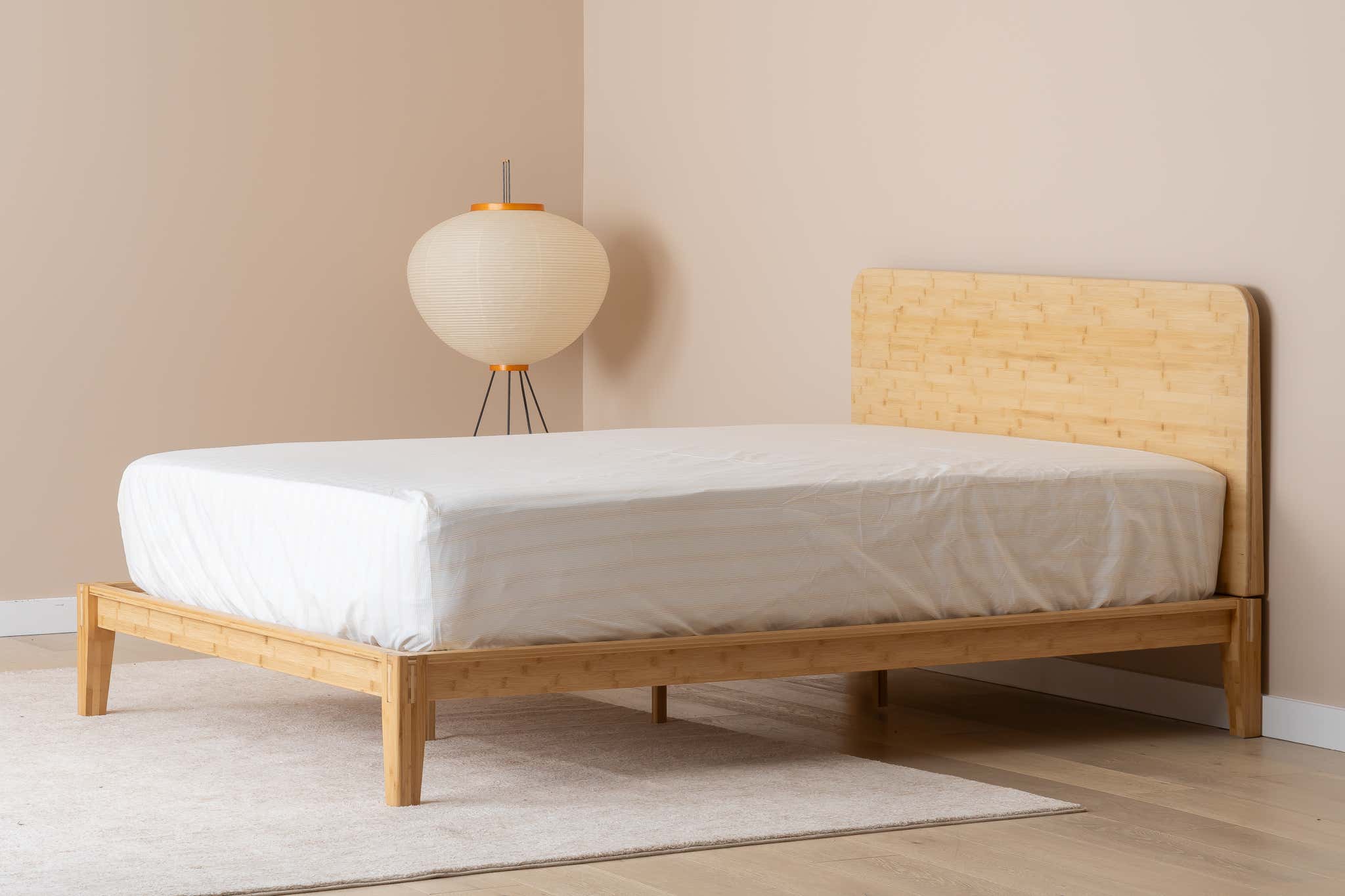
Loose fasteners are the primary cause of squeaking. Over time, the weight of sleepers and daily movement can loosen bolts, even on high-quality frames. Use the correct size wrench or screwdriver to tighten every connection point, including the headboard, footboard, side rails, and center support legs. Do not overtighten, as this can strip the threads or crack the wood.
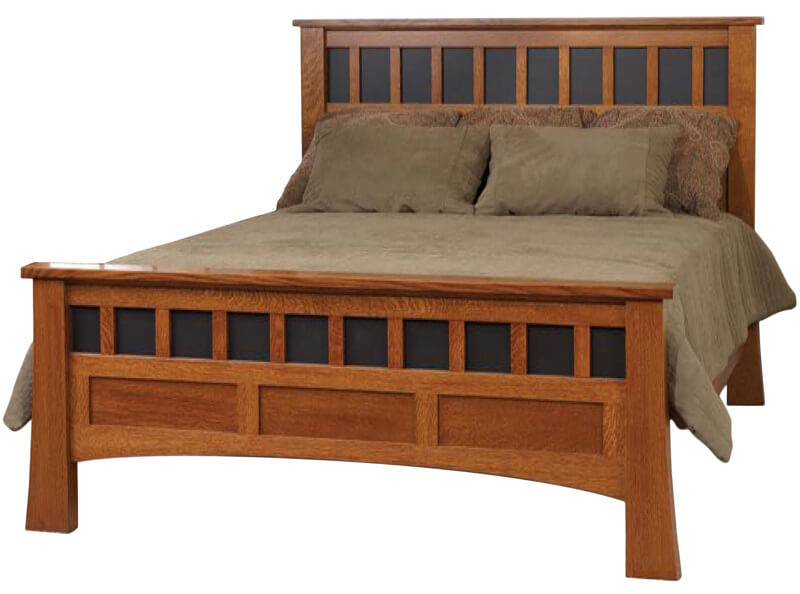
Wood-on-wood friction creates a high-pitched squeak that tightening alone cannot fix. Apply self-adhesive felt pads to the ends of wooden slats where they rest in the side rails or center support. This creates a soft buffer that eliminates rubbing. You can also place felt pads between the center support legs and the floor if the bed is on a hard surface.

If your frame uses metal brackets, hinges, or screw-in connectors, apply a dry lubricant like graphite powder or silicone spray to these joints. Avoid oil-based lubricants like WD-40, which can attract dust and dirt over time, eventually creating a gritty paste that worsens the noise. A light application on the metal surfaces inside the joints is usually sufficient.

Many wooden bed frames, especially queen and king sizes, rely on a central support leg to prevent the middle of the frame from sagging. If this leg is loose or not touching the floor properly, the side rails will flex and creak under weight. Ensure the support leg is firmly planted on the floor and the connecting bracket is tight. If the leg is adjustable, raise it slightly until it makes firm contact.
If the squeak persists after these steps, the issue may be internal to the wood itself, such as a crack or a loose joint that requires wood glue. For frames with complex joinery, disassembling the noisy section, cleaning the surfaces, and reapplying wood glue can restore rigidity. Always clamp the joint until the glue dries completely to ensure a solid bond.
Keep your wooden bed frame in shape
Wood breathes. It expands when humidity rises and shrinks when the air dries out. This movement is what causes joints to loosen and squeaks to appear. Treating your frame like fine furniture rather than a static object will keep it solid for years. The Arc Bed from Abacus Furniture, for example, uses solid wood construction and handcrafted joinery that benefits from this kind of attentive care.
Clean gently to preserve the finish
Dust is abrasive. If you leave it on the surface, it acts like sandpaper every time you move the bed. Use a soft, dry microfiber cloth to wipe down the frame weekly. Avoid water-based cleaners or silicone sprays, which can cloud the finish or make the wood slippery. For stubborn spots, use a damp cloth followed immediately by a dry one. This simple habit prevents the buildup that dulls the wood’s natural luster.
Control humidity to prevent squeaks
Squeaks are rarely a sign of broken wood; they are usually a sign of dry wood. When the air gets too dry, the joints tighten and rub against each other. Keep your bedroom humidity between 40% and 50%. If you live in a dry climate, a small humidifier near the bed can make a noticeable difference in reducing noise. Tighten any loose bolts every six months, especially after seasonal changes. This proactive step stops minor shifts from becoming major structural issues.
Rotate and inspect periodically
Just like a mattress, a bed frame experiences uneven wear. Rotate the head and foot positions if your frame design allows it. Inspect the legs and slats for cracks or warping. Addressing small issues early prevents them from becoming expensive repairs. This routine maintenance ensures your wooden bed frame remains a stable, quiet foundation for your sleep.
Common questions about wooden bed frames
Wooden bed frames are a popular choice for their durability and aesthetic, but they come with specific maintenance needs. Here are answers to the most frequent questions about weight limits, assembly, and materials.
What is the weight limit for a wooden bed frame?
Weight capacity depends heavily on the wood species and slat design. Solid hardwoods like oak or maple generally support more weight than softer woods like pine. Look for frames with center support legs; these are essential for Queen and King sizes to prevent sagging. The Bed Arc, for example, uses a robust slat system that distributes weight evenly, reducing stress on the joints.
How do I stop a wooden bed frame from squeaking?
Squeaks usually come from friction between slats and the frame, or loose hardware. Tighten all bolts and screws first. If the noise persists, apply talcum powder or beeswax to the slat ends where they contact the side rails. This lubricates the wood-to-wood contact points. For persistent issues, add felt pads between the slats and the frame to dampen vibration.
Is assembly difficult for wooden bed frames?
Most wooden frames are designed for straightforward assembly, typically requiring just a screwdriver or Allen wrench. Solid wood frames can be heavier than metal ones, so having a second person helps align the side rails. Follow the manufacturer’s instructions carefully, especially regarding torque; over-tightening can strip wood threads, while under-tightening leads to wobble.
What wood is best for a durable bed frame?
Hardwoods like oak, maple, and ash offer the best longevity and resistance to warping. Softwoods like pine are more affordable but may dent or sag over time, especially under heavy loads. Engineered wood (MDF) is the least durable option and should be avoided for long-term use. Always check if the wood is kiln-dried, which reduces moisture content and prevents future cracking.
No comments yet. Be the first to share your thoughts!