

Platform Bed Frames vs Box Springs: The Foundation of Better Sleep
Your choice of bed foundation significantly impacts sleep quality, spinal alignment, and long-term comfort. As we navigate 2024's evolving sleep landscape, understanding the fundamental differences between platform bed frames and traditional box spring systems becomes crucial for making an informed decision that will serve you for years to come.
Understanding Platform Bed Frames: Modern Sleep Engineering
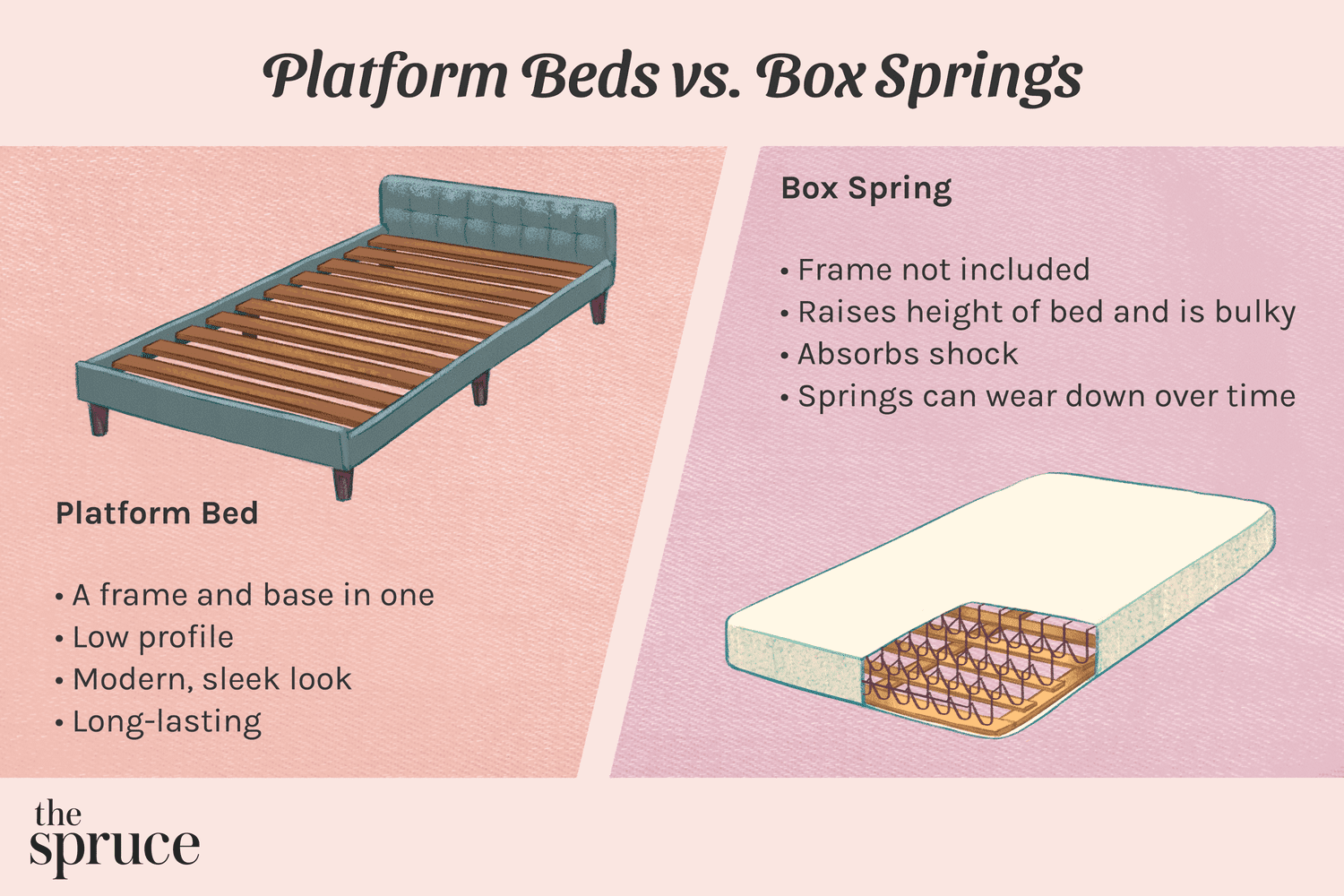
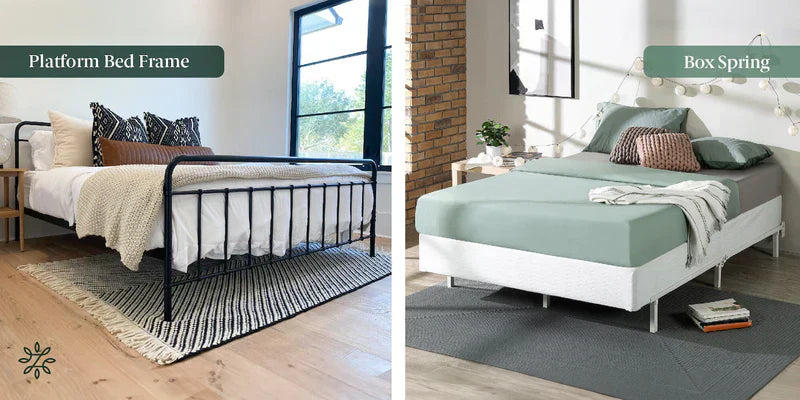
Platform bed frames represent a contemporary approach to sleep support, featuring a solid or slatted base that eliminates the need for additional box springs. These frames typically consist of a sturdy foundation made from wood, metal, or engineered materials, with slats spaced strategically to provide optimal mattress support.
The engineering behind platform beds focuses on even weight distribution and consistent support across the entire mattress surface. This design philosophy stems from research showing that uniform support promotes better spinal alignment and reduces pressure points that can disrupt sleep cycles.
The Traditional Box Spring System: Time-Tested Support
Box springs have been the standard foundation choice for decades, consisting of a wooden frame filled with springs or metal coils, topped with fabric covering. Originally designed to work with innerspring mattresses, box springs provide a flexible base that absorbs movement and adds height to the sleeping surface.
Traditional box spring systems excel at shock absorption and can extend the lifespan of certain mattress types by reducing wear from direct contact with rigid surfaces. However, their effectiveness varies significantly depending on mattress construction and personal sleep preferences.
Platform Bed Frames vs Box Springs: Comprehensive Comparison for 2024
| Feature | Platform Bed Frames | Box Springs | Sleep Quality Impact | Cost Range |
|---|---|---|---|---|
| Support Type | Solid slat or panel base | Coil springs with fabric covering | Platform beds provide firmer, more consistent support | $150-$800 |
| Mattress Compatibility | Memory foam, latex, hybrid, innerspring | Primarily innerspring and some hybrids | Platform beds work with all mattress types without voiding warranties | $80-$400 |
| Durability | 15-20 years average lifespan | 8-12 years average lifespan | Longer-lasting foundation reduces sleep disruption from sagging | Platform: Higher initial cost, Box Spring: Lower upfront |
| Height Profile | Low profile 6-14 inches | Standard 9 inches plus bed frame | Lower height improves bedroom accessibility and modern aesthetics | Varies by frame choice |
| Motion Transfer | Minimal due to solid construction | Moderate to high spring bounce | Reduced motion transfer improves partner sleep quality | No additional cost difference |
| Maintenance Requirements | Occasional dusting and tightening | Regular rotation and replacement | Less maintenance means fewer sleep disruptions | $0-50 annually |
| Storage Options | Built-in drawers available in many models | No storage capability | Integrated storage reduces bedroom clutter affecting sleep environment | $200-600 premium |
| Assembly Complexity | Moderate - 1-2 hours typical | Minimal - usually pre-assembled | Easier setup reduces initial stress and faster sleep space preparation | Assembly tools included |
Sleep Quality Impact: What the Research Shows
Recent sleep studies indicate that foundation choice directly affects sleep quality through several mechanisms. Platform beds typically provide firmer, more consistent support that many sleep specialists recommend for optimal spinal alignment. This consistent support can be particularly beneficial for back and stomach sleepers who require stable surfaces to maintain proper posture throughout the night.
Box springs, conversely, offer a softer, more yielding surface that some side sleepers find comfortable. The slight give in a quality box spring can help accommodate hip and shoulder pressure points, though this benefit depends heavily on mattress type and individual body mechanics.
Mattress Compatibility: Matching Your Foundation to Your Sleep Surface
Modern mattress technologies have shifted compatibility preferences significantly. Memory foam, latex, and hybrid mattresses generally perform better on platform beds due to their need for firm, consistent support. These materials require stable foundations to maintain their structural integrity and provide intended comfort benefits.
Traditional innerspring mattresses, however, were designed to work harmoniously with box springs. The combination creates a sleep system where both components contribute to overall comfort and support characteristics.
Platform Bed vs Box Spring: Find Your Perfect Sleep Setup
Choosing between a platform bed frame and a box spring can significantly impact your sleep quality and comfort. This quiz will help you determine which option aligns best with your specific mattress type, sleep preferences, and lifestyle needs. Answer these questions to discover your ideal bed foundation setup for 2024.
Cost Considerations and Long-Term Value
When evaluating platform bed frames versus box springs, initial cost represents just one factor in the total ownership equation. Platform beds typically require a higher upfront investment but offer superior longevity, often lasting decades with minimal maintenance.
Platform Bed Frames vs Box Spring Sets: Cost Comparison by Material and Quality Level (2024)
| Price Range | Platform Bed Frame Cost | Box Spring Set Cost | Material Type | Expected Lifespan |
|---|---|---|---|---|
| Budget | $150 - $300 | $120 - $250 | Particle Board/Basic Metal | 5-8 years |
| Mid-Range | $300 - $600 | $250 - $450 | Solid Pine/Steel Frame | 10-15 years |
| Premium | $600 - $1,200 | $450 - $800 | Hardwood/Reinforced Steel | 15-20 years |
| Luxury | $1,200 - $2,500 | $800 - $1,500 | Solid Oak/Walnut/Premium Metal | 20-25 years |
| Ultra-Premium | $2,500+ | $1,500+ | Exotic Hardwoods/Designer Metals | 25+ years |
| Memory Foam Compatible | $400 - $800 | $300 - $600 | Slatted Wood/Metal Grid | 12-18 years |
Box springs generally cost less initially but may require replacement more frequently, particularly in households with active sleepers or heavier mattresses. The springs and internal components can wear out over time, leading to sagging, noise, and reduced support effectiveness.
Durability and Maintenance: Building for the Long Term
Platform bed frames excel in durability due to their solid construction and minimal moving parts. Quality wooden platform beds can last for decades, while metal versions offer excellent longevity with proper care. Maintenance typically involves occasional tightening of hardware and regular cleaning.
Box springs face durability challenges from their internal spring mechanisms, which can develop squeaks, sags, or breaks over time. Higher-quality box springs with reinforced construction and premium materials can provide excellent service life, but they require more careful handling and monitoring for wear signs.
Making the Right Choice: Platform Bed Frames vs Box Springs for 2024
Understanding the practical differences between platform bed frames and box springs helps you make an informed decision that aligns with your sleep needs, bedroom aesthetics, and budget considerations.
Platform Bed Frames vs Box Springs: Comprehensive Comparison 2024
| Feature | Platform Bed Frames | Box Springs | Winner |
|---|---|---|---|
| Support Type | Direct slat or solid platform support | Coil springs with fabric covering | Platform Beds |
| Mattress Compatibility | Memory foam, latex, hybrid, innerspring | Primarily innerspring and some hybrids | Platform Beds |
| Average Cost Range | $150 - $800 | $100 - $500 (plus bed frame cost) | Box Springs |
| Bed Height | 6-14 inches from floor | 16-24 inches from floor | Varies by preference |
| Durability Lifespan | 10-15 years | 8-10 years | Platform Beds |
| Storage Options | Often includes built-in drawers or under-bed space | Limited to under-bed clearance only | Platform Beds |
| Maintenance Requirements | Minimal - occasional tightening of hardware | Regular rotation and replacement every 8-10 years | Platform Beds |
| Weight Capacity | Up to 1,500 lbs (heavy-duty models) | Up to 1,000 lbs (standard models) | Platform Beds |
Cost Analysis: Long-Term Value Considerations
When evaluating bed frames guide recommendations, cost extends beyond the initial purchase price. Platform bed frames typically require a higher upfront investment, ranging from $200 to $800 for quality options, while box springs start around $100 to $300. However, platform beds eliminate the need for separate box spring purchases, potentially saving $150 to $400 over time.
Platform beds also demonstrate superior longevity, often lasting 15-20 years with proper maintenance, compared to box springs that may require replacement every 8-10 years. This durability factor significantly impacts the total cost of ownership when choosing bed frames for long-term use.
Sleep Quality Impact Assessment
Research indicates that platform bed frames provide more consistent support distribution, reducing pressure points and improving spinal alignment during sleep. The solid foundation prevents mattress sagging, particularly beneficial for memory foam and latex mattresses that require stable surfaces for optimal performance.
Box springs offer traditional bounce and airflow benefits, which some sleepers prefer for temperature regulation. However, modern platform designs increasingly incorporate ventilation features through slatted construction, addressing previous concerns about heat retention.
Mattress Compatibility Guidelines
Platform bed frames excel with contemporary mattress technologies. Memory foam, latex, and hybrid mattresses perform optimally on firm, consistent surfaces that platform beds provide. These materials maintain their structural integrity and support characteristics when placed on solid foundations.
Traditional innerspring mattresses historically paired with box springs for enhanced bounce and support amplification. However, many modern innerspring designs now function effectively on platform bases, offering sleepers greater flexibility in foundation selection.
Space and Design Considerations
Platform bed frames typically sit lower to the ground, creating an illusion of increased ceiling height and enhanced spatial flow in smaller bedrooms. Many designs incorporate built-in storage solutions, maximizing functionality in compact living spaces.
Box spring systems elevate the sleeping surface, which some individuals prefer for easier bed entry and exit. This height advantage proves particularly beneficial for older adults or those with mobility considerations.
Decision-Making Framework
Your optimal choice depends on several interconnected factors that influence both immediate comfort and long-term satisfaction.
Expert Recommendations for 2024
Sleep specialists increasingly recommend platform bed frames for most sleepers, citing superior support consistency and compatibility with modern mattress technologies. The elimination of motion transfer between separate foundation components creates a more stable sleep environment.
However, individuals who prefer traditional sleep surface feel or require elevated bed height may find box springs more suitable for their specific needs.
When selecting your foundation, prioritize long-term comfort and support over short-term cost savings. Quality platform bed frames represent an investment in consistent sleep quality, while well-constructed box springs can provide years of reliable service when properly matched with compatible mattresses.
Consider your current mattress type, bedroom dimensions, storage needs, and personal comfort preferences when making this important decision. Both options can deliver excellent sleep quality when properly selected and maintained according to manufacturer guidelines.
No comments yet. Be the first to share your thoughts!