

New materials for 2026
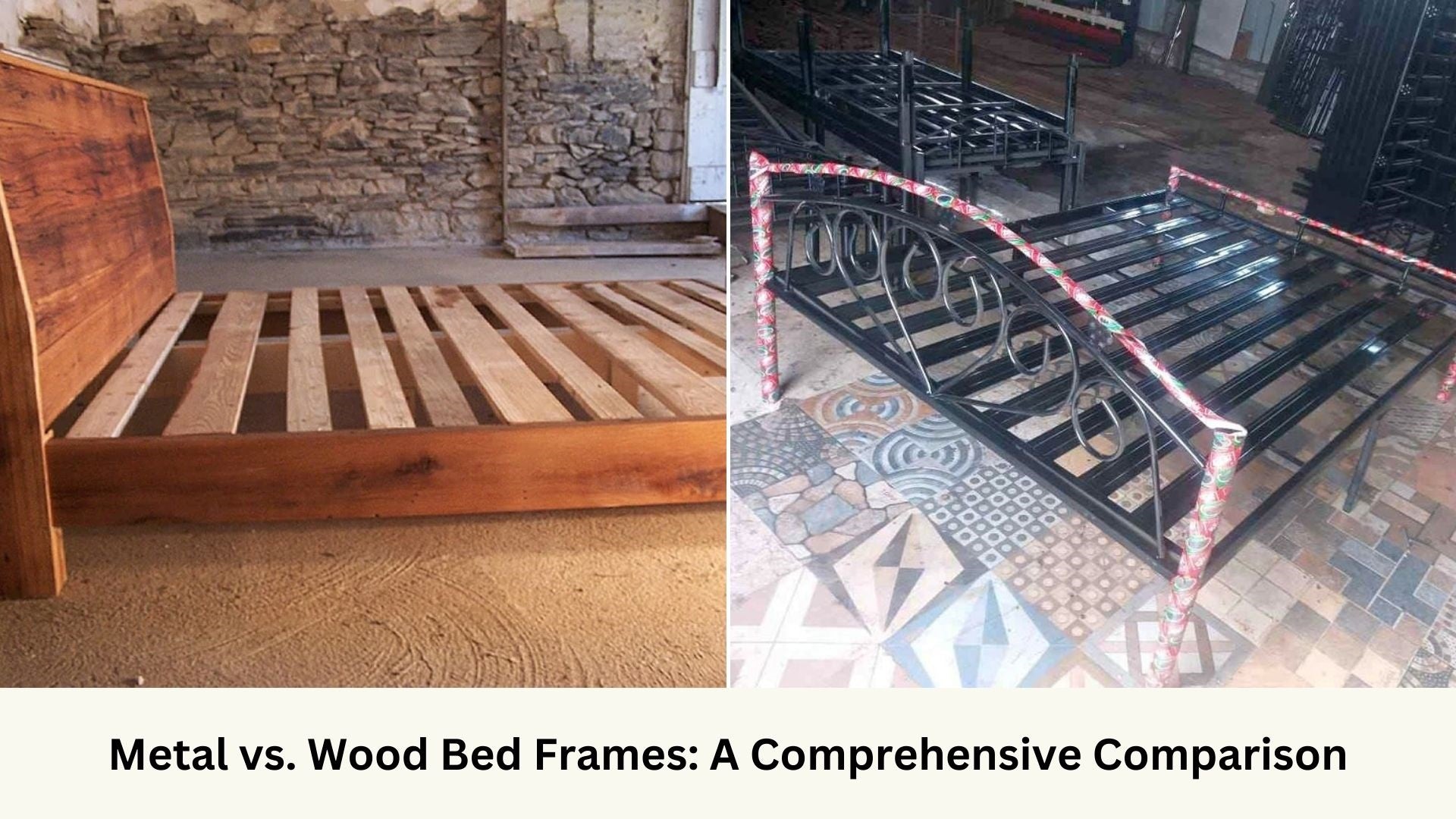
Solid wood and metal are the standard, but 2026 is seeing a shift toward lifecycle impact over just 'natural' labels. Wood offers warmth and metal provides strength, but manufacturers are now looking at how these materials behave from harvest to disposal.
Bamboo is gaining significant traction, touted for its rapid renewability. However, it's not a perfect solution. Bamboo requires specific growing conditions and, crucially, the transport of bamboo from Asia to North America or Europe can negate many of its environmental benefits. It's a question of where and how it’s sourced. Recycled plastics are another contender, offering a way to divert waste from landfills, but concerns around microplastic shedding and the potential for off-gassing remain.
Perhaps the most innovative materials are those emerging from the world of mycelium – the root structure of mushrooms – and agricultural waste. Mycelium can be grown into specific shapes, creating surprisingly strong and lightweight structures. Using agricultural waste, like straw or hemp fibers, as a composite material in bed frame construction reduces reliance on virgin resources. These materials are still relatively new, so durability data is limited, but early signs are promising.
Certifications help, but they aren't a complete solution. FSC wood ensures the forest is managed well, while Greenguard Gold tracks chemical emissions for better air. Neither covers the carbon cost of shipping or the energy used in the factory. You have to look at the whole supply chain rather than trusting a single sticker.
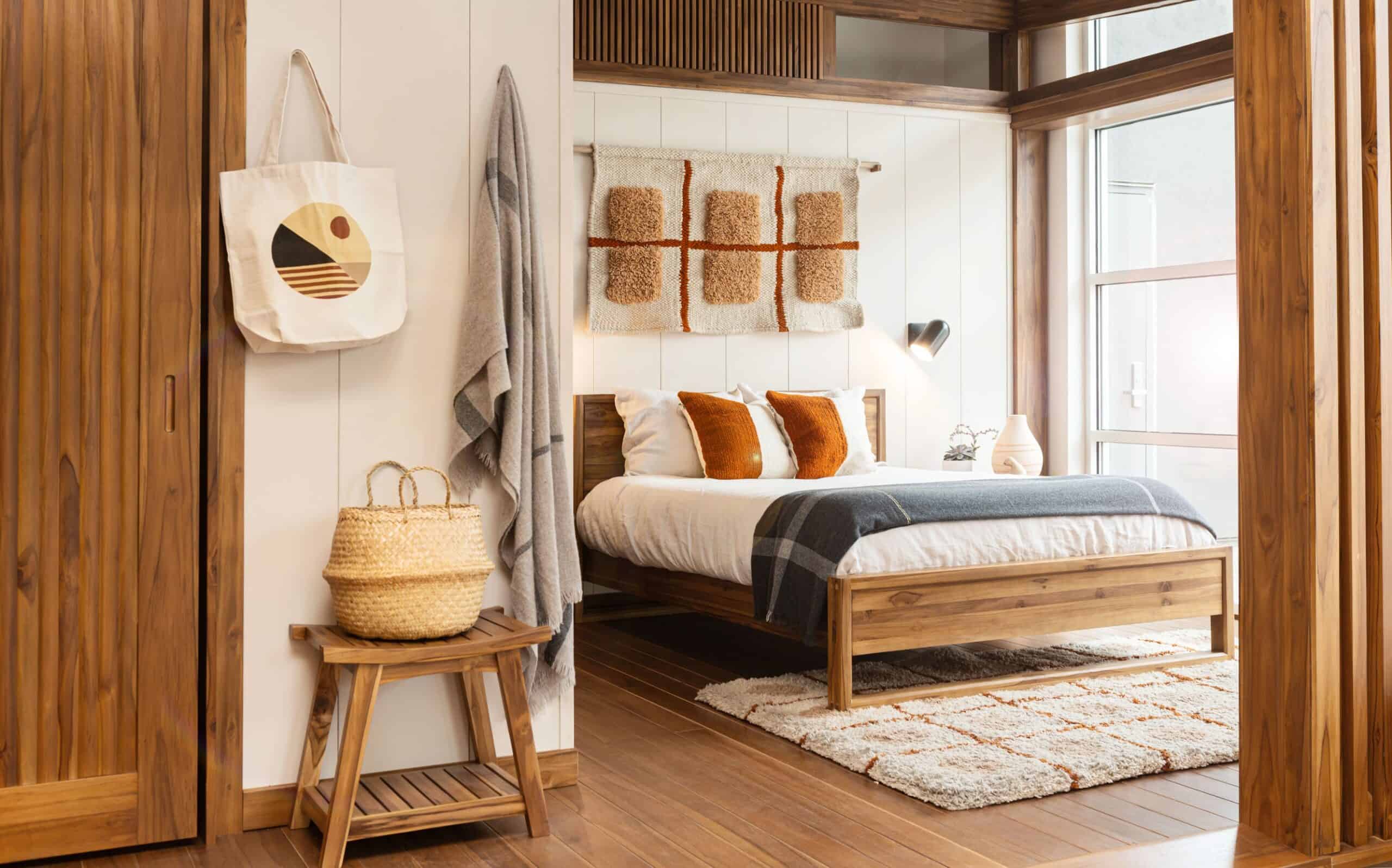
How California's upholstery laws affect your bedroom
California has long been a leader in regulating potentially harmful chemicals in household products, and their laws regarding upholstery and bedding – detailed on the Bureau of Household Goods and Services website (bhgs.dca.ca.gov) – are increasingly influencing national standards. Specifically, regulations around flame retardants have tightened significantly in recent years.
Historically, many bed frames, particularly those with upholstered headboards or footboards, contained chemical flame retardants. These chemicals have been linked to health concerns, and California’s laws have pushed manufacturers to find alternatives. The current regulations require labeling that clearly identifies the materials used in the upholstery and whether flame retardants are present. This transparency is a win for consumers.
The broader market is responding to these regulations. Many manufacturers are now opting for natural, fire-resistant materials like wool or plant-based foams instead of chemical treatments. While California's laws directly apply only within the state, many companies choose to comply with the strictest standards nationwide to streamline production and avoid creating separate product lines. This means you’re likely to see the benefits of these regulations even if you don’t live in California.
Recycled content in metal frames
Metal bed frames, particularly those made from steel or aluminum, are often praised for their durability. However, their environmental impact hinges on the source of the metal. Using recycled steel and aluminum significantly reduces the energy required for production compared to extracting virgin materials. A realistic percentage of recycled content to look for is at least 70%, though higher is always better.
The manufacturing process itself is also a factor. Look for companies that use energy-efficient manufacturing techniques and minimize waste. The issue of 'planned obsolescence' is relevant here as well. Are metal frames designed to last for decades, or are they built with cheaper materials and construction methods that encourage frequent replacement?
Metal frames are generally highly recyclable at the end of their life, which is a major advantage. However, the actual recycling rate depends on local infrastructure and consumer behavior. Choosing a frame made from a single type of metal – rather than a combination – can make recycling easier.
Wood Sourcing Comparison for Sustainable Bed Frames
| Sourcing Method | Environmental Impact | Cost | Durability | Traceability |
|---|---|---|---|---|
| Forest Stewardship Council (FSC) Certified | Medium | Medium to High | High | High |
| Reclaimed Wood | Low | Variable | Medium to High | Medium |
| Locally Sourced Wood | Variable | Variable | Medium | Medium |
| Programme for the Endorsement of Forest Certification (PEFC) | Medium | Medium | High | Medium |
| Untreated Bamboo | Low | Medium | Medium | Medium |
| Fast-Growth, Sustainably Managed Pine | Medium | Low to Medium | Medium | Medium |
| Rubberwood (from Hevea Brasiliensis plantations) | Low | Medium | Medium | Medium |
Illustrative comparison based on the article research brief. Verify current pricing, limits, and product details in the official docs before relying on it.
Zero-Waste Bedroom: Beyond the Frame
A truly sustainable bedroom extends beyond just the bed frame. Consider the entire ecosystem of your sleep space. Organic mattresses, made with natural latex, wool, and organic cotton, avoid the harmful chemicals found in conventional mattresses. Natural bedding materials like linen, hemp, and organic cotton are also preferable, as they are renewable and biodegradable.
Low-VOC (volatile organic compound) paints and finishes are crucial for maintaining good indoor air quality. VOCs are emitted by many conventional paints and finishes and can contribute to health problems. Look for paints labeled 'zero-VOC' or 'low-VOC'. Reducing waste is also key – choose durable products that will last, repair items instead of replacing them, and opt for minimalist designs that avoid unnecessary consumption.
Some companies are now offering take-back programs for old mattresses and bedding, ensuring that these items are properly recycled or repurposed. These programs are still relatively rare, but they're a positive step towards a more circular economy. Investing in quality, long-lasting pieces, even if they cost more upfront, ultimately reduces waste and saves money in the long run.
- Organic mattresses use natural latex and wool to avoid the synthetic chemicals found in standard foam.
- Natural Bedding: Linen, hemp, organic cotton.
- Low-VOC Paints: Zero or low emission levels.
- Take-back Programs: Repurposing old mattresses and bedding.
DIY & Repair: Extending Frame Lifespan
One of the most sustainable things you can do is simply make your existing bed frame last longer. Common problems like squeaks, broken slats, and wobbly legs can often be fixed with a little DIY effort. A simple application of beeswax to joints can eliminate squeaks. Replacing broken slats is usually a straightforward process, and tightening loose bolts can often resolve stability issues.
Numerous online resources offer step-by-step instructions for bed frame repair. Bed Arc itself has a wealth of information on bed frame assembly and maintenance. Don't be afraid to tackle these repairs yourself – it's a rewarding way to save money and reduce waste. Upcycling old bed frames is another creative option.
Consider transforming an old headboard into a bench or repurposing the wood from a broken frame into other furniture pieces. This requires some DIY skill, but it's a fantastic way to give new life to unwanted items. Small repairs now can prevent the need for a full replacement later, and that’s good for your wallet and the planet.
Brands Leading the Charge (2026 Outlook)
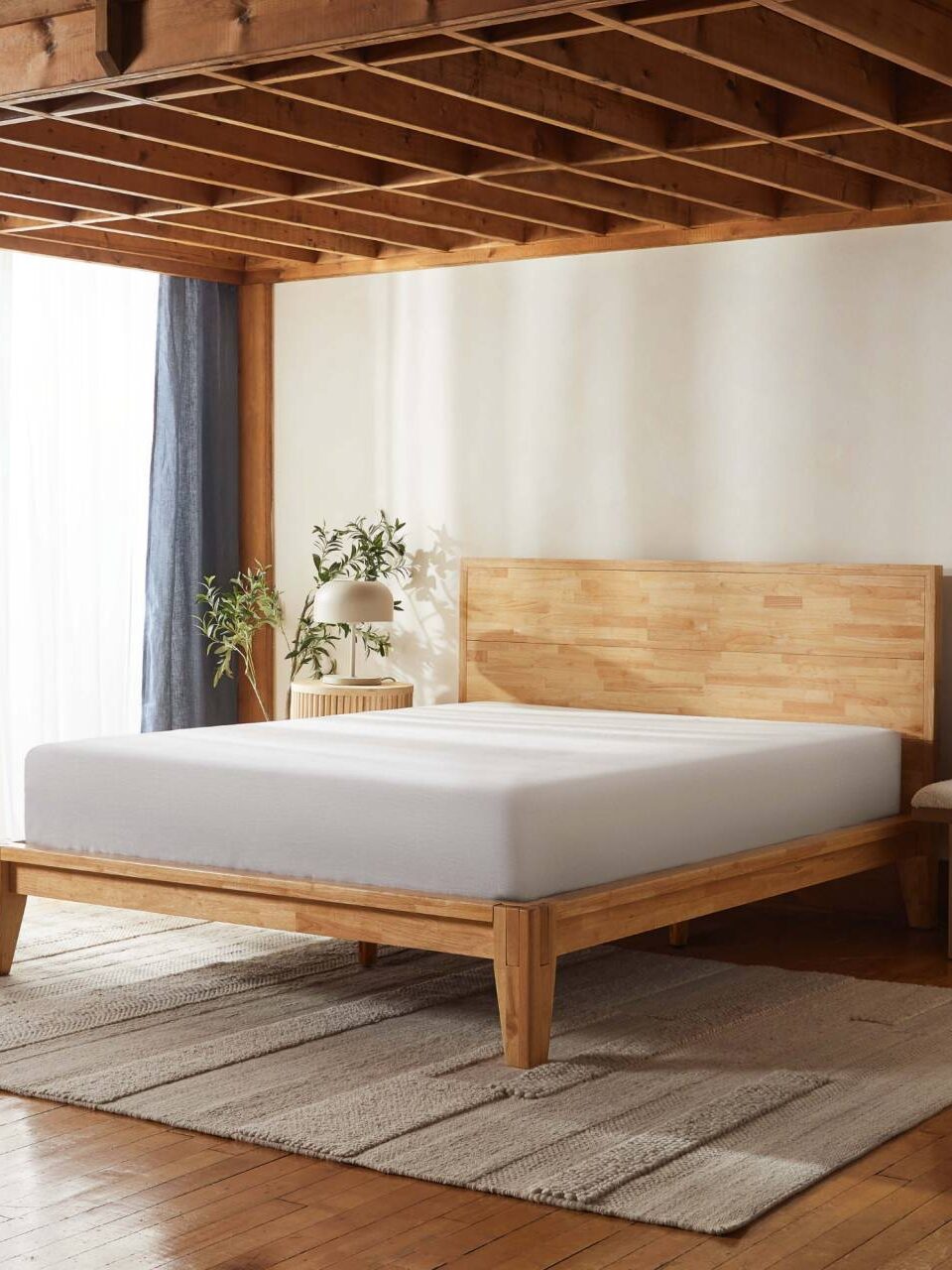
Several brands are demonstrating a genuine commitment to sustainability in their bed frame production. Thuma stands out for its minimalist designs and use of FSC-certified walnut wood. They focus on creating durable, long-lasting pieces and offer a limited lifetime warranty. Their platform bed design minimizes the need for a box spring, reducing material use.
Avocado Green Mattress is another leader in the sustainable sleep space. They use organic latex, wool, and cotton in their mattresses and offer sustainably sourced wood frames. They are transparent about their supply chain and committed to ethical manufacturing practices. Avocado also offers a mattress recycling program.
Medley Home prioritizes both sustainability and craftsmanship. They use FSC-certified wood and natural latex, and all their furniture is made in the USA. Their focus on local production reduces transportation emissions and supports American jobs. They also offer a wide range of customization options, allowing customers to create a bed frame that perfectly suits their needs.
These companies move beyond marketing by focusing on sourcing and design. No brand is perfect, but prioritizing transparency and durability over quick turnover helps shift the industry away from disposable furniture.

No comments yet. Be the first to share your thoughts!