

Beyond the Wood and Metal: Why Sustainable Bed Frames Matter
Choosing a bed frame often feels like a simple decision, but the impact extends far beyond your bedroom. The furniture industry has a significant environmental footprint, from resource extraction to manufacturing and disposal. Traditional furniture production frequently relies on materials sourced from unsustainable forests and uses chemicals that can off-gas into your home. It’s a system that’s getting a lot more scrutiny, and rightfully so.
California, for example, has strict regulations regarding emissions from upholstered furniture and bedding, as outlined by the Bureau of Household Goods and Services (bhgs.dca.ca.gov). These regulations, and similar initiatives gaining traction elsewhere, are aimed at reducing exposure to harmful chemicals like formaldehyde. Ignoring these concerns isn't an option anymore, and consumers are increasingly demanding transparency and accountability from manufacturers.
The good news is that awareness is growing, and the demand for sustainable furniture is rising. Buying a sustainable frame supports a more responsible economy. A sustainable bed frame minimizes environmental harm, supports responsible forestry practices, and creates a healthier indoor environment. It’s a choice that benefits you and the planet.
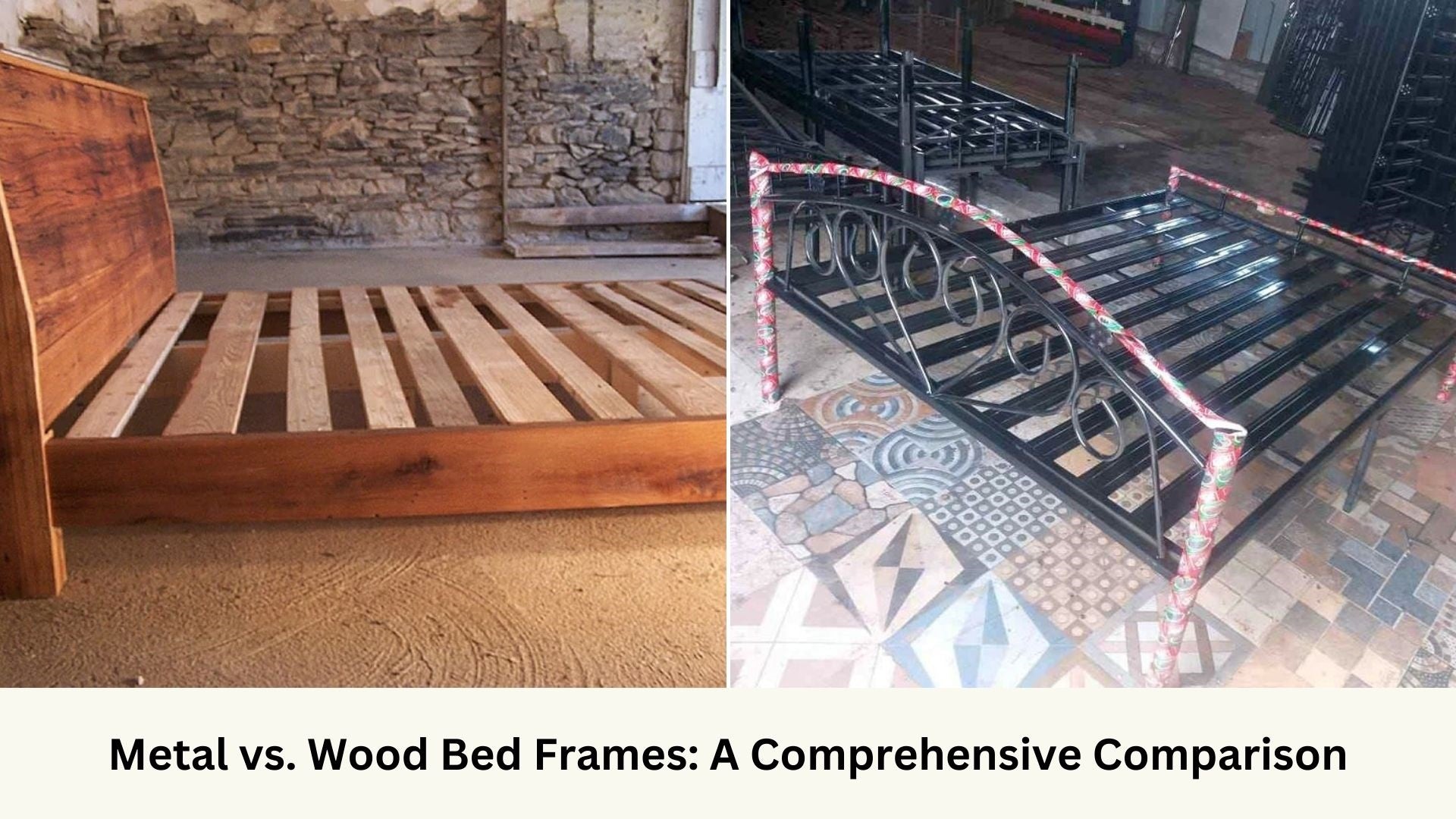
Decoding Eco-Friendly Wood: Certifications and Species to Look For
Sustainable wood labels are often confusing. It’s about understanding where the wood comes from and how it was harvested. Look for certifications like the Forest Stewardship Council (FSC) and the Programme for the Endorsement of Forest Certification (PEFC). These organizations verify that forests are managed responsibly, with consideration for forest health and worker rights. A frame without a certification isn't automatically bad, but it requires more investigation on your part.
Certain wood species are inherently more sustainable than others. Bamboo, for instance, is a fast-growing grass that regenerates quickly, making it a renewable resource. Acacia is another good option, often sourced from sustainably managed plantations. Rubberwood, a byproduct of rubber tree plantations, is a particularly efficient use of resources. Avoid wood sourced from old-growth forests or endangered species – these contribute to deforestation and habitat loss.
Don’t overlook the finish on the wood. Traditional varnishes and stains can contain volatile organic compounds (VOCs) that off-gas into your home. Opt for low-VOC or no-VOC finishes, such as water-based polyurethanes or natural oils. These finishes are safer for your health and the environment. Look for labels specifically mentioning low VOC content; the lower the number, the better.
- FSC Certified Wood: Guarantees responsible forest management.
- PEFC Certified Wood: Another reliable certification for sustainable forestry.
- Bamboo: A rapidly renewable resource.
- Acacia: Often sustainably sourced from plantations.
- Rubberwood: A byproduct of rubber production, minimizing waste.
Wood Type Comparison for Bed Frame Sustainability
| Wood Type | Sustainability Rating | Cost | Durability | Common Uses |
|---|---|---|---|---|
| Oak | Medium | $$ | **** | Panel beds, platform beds, traditional styles |
| Maple | Medium | $$$ | **** | Shaker style, modern platform beds, painted finishes |
| Pine | Low | $ | *** | Rustic styles, budget-friendly options, painted or distressed finishes |
| Rubberwood | High | $$ | *** | Platform beds, contemporary styles, often used as a sustainable alternative |
| Bamboo | High | $$$ | **** | Modern, minimalist designs, platform beds, eco-conscious consumers |
| Acacia | Medium | $$ | *** | Outdoor or indoor use, rustic or contemporary designs, naturally weather-resistant |
| Teak | Low | $$$ | ***** | High-end, durable frames, often used in outdoor furniture or luxury beds |
Illustrative comparison based on the article research brief. Verify current pricing, limits, and product details in the official docs before relying on it.
Recycled Metal Frames: A Deep Dive into Materials and Processes
Recycled metal frames are a sustainable alternative to wood. The most common metals used are steel and aluminum, both of which can be recycled repeatedly without significant loss of quality. Using recycled metal reduces the need for mining new ore, which is an energy-intensive and environmentally damaging process. It also conserves natural resources and reduces landfill waste.
There are some potential downsides to consider. While recycled metal is generally strong and durable, the quality can vary depending on the source and the recycling process. There’s also the energy cost associated with re-manufacturing metal. It takes energy to melt down scrap metal, transport it, and reform it into new products. Data on whether recycled metal uses less energy than virgin production is mixed, though it certainly reduces mining impact.
The finish on metal frames is another important consideration. Powder coating is a durable and relatively eco-friendly option, but some powder coatings can still contain VOCs. Look for powder coatings that are low-VOC or VOC-free. Be mindful that even with careful manufacturing, some off-gassing is possible, especially with newer frames. Proper ventilation can help mitigate this.
The Hidden Costs: Transportation, Manufacturing, and the Full Lifecycle
Sustainability isn’t just about the materials a bed frame is made from; it’s about the entire lifecycle of the product. Consider where the frame is manufactured. Frames made in countries with lax environmental regulations or poor labor practices may have a higher environmental and social cost, even if they use sustainable materials. Look for brands that prioritize ethical manufacturing and fair labor standards.
Transportation is another significant factor. A bed frame shipped from overseas will have a much larger carbon footprint than one made locally. Embodied carbon—the total emissions from a product's lifecycle—matters most for heavy furniture. Even seemingly small choices, like packaging materials, contribute to the overall environmental impact.
Finally, think about the end-of-life of the bed frame. Can it be easily disassembled for recycling? Are the materials readily recyclable in your area? A well-designed frame will be built to last, reducing the need for frequent replacements, but it should also be designed with end-of-life considerations in mind. A frame that can be broken down and its components reused is far more sustainable than one that ends up in a landfill.
- Ethical Manufacturing: Prioritize brands with fair labor practices.
- Local Production: Reduce transportation emissions.
- Disassembly & Recyclability: Choose frames designed for easy recycling.
Beyond Wood and Metal: Innovative Sustainable Materials
The search for truly sustainable materials is driving innovation in the furniture industry. Mycelium, the root structure of mushrooms, is a new material for furniture components. It's biodegradable, renewable, and can be grown into specific shapes. Plant-based plastics, made from materials like cornstarch or sugarcane, are another alternative to traditional petroleum-based plastics.B-4025.pdf)
Bio-composites, which combine natural fibers with a binding agent, are also gaining traction. These materials can be made from agricultural waste products, like hemp or flax, reducing waste and creating a more sustainable product. However, scaling up production of these new materials presents challenges. Cost is a major barrier, as these materials are often more expensive than traditional options.
Durability is also a concern. Some of these new materials may not be as strong or long-lasting as wood or metal. Further research and development are needed to improve their performance and make them a viable alternative for a wider range of furniture applications. I'm optimistic about the potential of these materials, but widespread adoption will require overcoming these hurdles.
Navigating Regulations and Certifications: What to Look For (and What to Ignore)
Furniture regulations and certifications are often confusing. As we discussed earlier, California’s Bureau of Household Goods and Services (bhgs.dca.ca.gov) sets standards for emissions from upholstered furniture and bedding. The Consumer Product Safety Commission (cpsc.gov), through documents like NISTIR 8119, provides guidance on furniture compliance requirements in the United States. These are important resources for understanding the safety standards your furniture should meet.
However, not all certifications are created equal. Look for certifications from reputable organizations like FSC and PEFC, which have rigorous standards and independent verification. Be wary of certifications that are self-proclaimed or lack transparency. "Greenwashing’ – the practice of making misleading claims about a product"s environmental benefits – is common in the furniture industry.
Pay close attention to labeling requirements. Furniture should be labeled with information about its materials, emissions, and care instructions. Avoid products that contain harmful chemicals like formaldehyde, phthalates, and flame retardants. Doing your research and understanding what these labels mean is the best way to make an informed decision and ensure you're choosing a truly sustainable and safe bed frame.
Durability and Longevity: The Most Sustainable Choice is One That Lasts
Ultimately, the most sustainable bed frame is one that you don’t have to replace frequently. A durable, well-made frame minimizes waste and reduces the environmental impact of manufacturing and transportation. Consider the construction techniques used – solid wood construction and reinforced joints are signs of quality and longevity.
Material quality is also crucial. Hardwoods like maple and oak are more durable than softwoods like pine. Metal frames should be made from thick-gauge steel or aluminum. Proper care and maintenance can also extend the lifespan of your bed frame. Regularly inspect it for loose screws or damaged components, and address any issues promptly.
Investing in a high-quality, durable bed frame may cost more upfront, but it can save you money and reduce your environmental impact in the long run. Choosing a frame that will last for years is a more sustainable choice than buying a cheaper, disposable option that will end up in a landfill after just a few years. Think of it as an investment in both your comfort and the planet.
No comments yet. Be the first to share your thoughts!