

The Bed Arc Budget
Wooden bed frames exist in three distinct tiers, each with its own durability ceiling and maintenance profile. The "Bed Arc" describes the tradeoff between initial cost, wood species, and long-term structural integrity. Understanding where your budget lands helps you avoid overpaying for softwoods or underinvesting in a frame that will wobble after a year.
Under $200: The Entry Tier
At this price point, you are buying pine, poplar, or engineered wood composites. These frames are lightweight and easy to assemble, making them ideal for guest rooms or temporary setups. However, the wood is soft, meaning dents and scratches appear quickly. The joints are often held together with basic hardware that loosens over time. Expect to tighten bolts every few months. This tier is durable enough for light use but will not survive heavy nightly movement or a larger body weight without significant creaking.
$200–$400: The Sweet Spot
This range typically includes solid oak, maple, or higher-quality pine with reinforced center supports. The wood density resists minor impacts, and the joinery is more robust, often using dowels or mortise-and-tenon techniques rather than just screws. You get a frame that feels solid and lasts five to ten years with basic care. This is where most buyers should aim for a balance of cost and longevity. Look for frames with a center leg support; it prevents the slats from bowing in the middle, which is the most common failure point in this price range.
Over $400: The Heirloom Tier
Frames here are usually made from hardwoods like walnut, cherry, or thick oak. They are heavy, often requiring two people to move, and feature joinery that can last decades. The finish is more sophisticated, protecting the wood from humidity changes. While the initial cost is high, the maintenance is lower because the wood is less prone to warping. If you plan to keep the bed for ten years or more, or if you want a piece that matches high-end furniture, this tier offers the best value over time.
Choosing by Condition, Not Just Price
Price is a proxy for quality, but condition matters more. A $300 frame sold used and well-maintained is often better than a $150 new frame made from particleboard. Check for signs of stress: cracks near the joints, squeaks when you press down, or loose slats. If a frame feels solid in person, it will likely outlast a cheaper new alternative. Always inspect the center support beam; if it’s missing or flimsy, no amount of wood quality will save the frame from sagging.
Shortlist real options
Finding a wooden bed frame that survives daily use requires looking past marketing claims and focusing on construction details. The market is crowded with options that look good in photos but fail under weight or humidity changes. We have filtered the available models to highlight those with proven structural integrity, quality joinery, and durable finishes.
The following comparison focuses on the strongest contenders from Bed Arc, selected for their balance of load capacity, material thickness, and long-term stability. These models represent the most reliable choices for buyers prioritizing durability over temporary trends.
| Model | Frame Type | Slat Spacing | Max Load | Assembly |
|---|---|---|---|---|
| Bed Arc Solid Oak | Solid Wood | 3 inches | 700 lbs | Tool-free |
| Bed Arc Pine Hybrid | Engineered Wood/ Pine | 5 inches | 600 lbs | Minimal tools |
| Bed Arc Walnut Reinforced | Hardwood | 3 inches | 800 lbs | Tool-free |
| Bed Arc Birch Standard | Birch Plywood | 6 inches | 500 lbs | Standard tools |
These options cover the spectrum from budget-friendly engineered wood to premium hardwoods. The Solid Oak and Walnut models offer the best longevity for heavy use, while the Pine Hybrid provides a middle ground for those seeking natural grain without the premium price tag. Always verify that your mattress type is compatible with the slat spacing to ensure proper support and warranty coverage.
Inspect the expensive parts
Wooden bed frames are generally durable, but a few specific components carry the highest risk of failure. When evaluating a frame, focus your attention on these high-cost failure points. Replacing a broken slat is cheap; replacing a snapped headboard joint or a rusted center support can mean returning the entire unit.
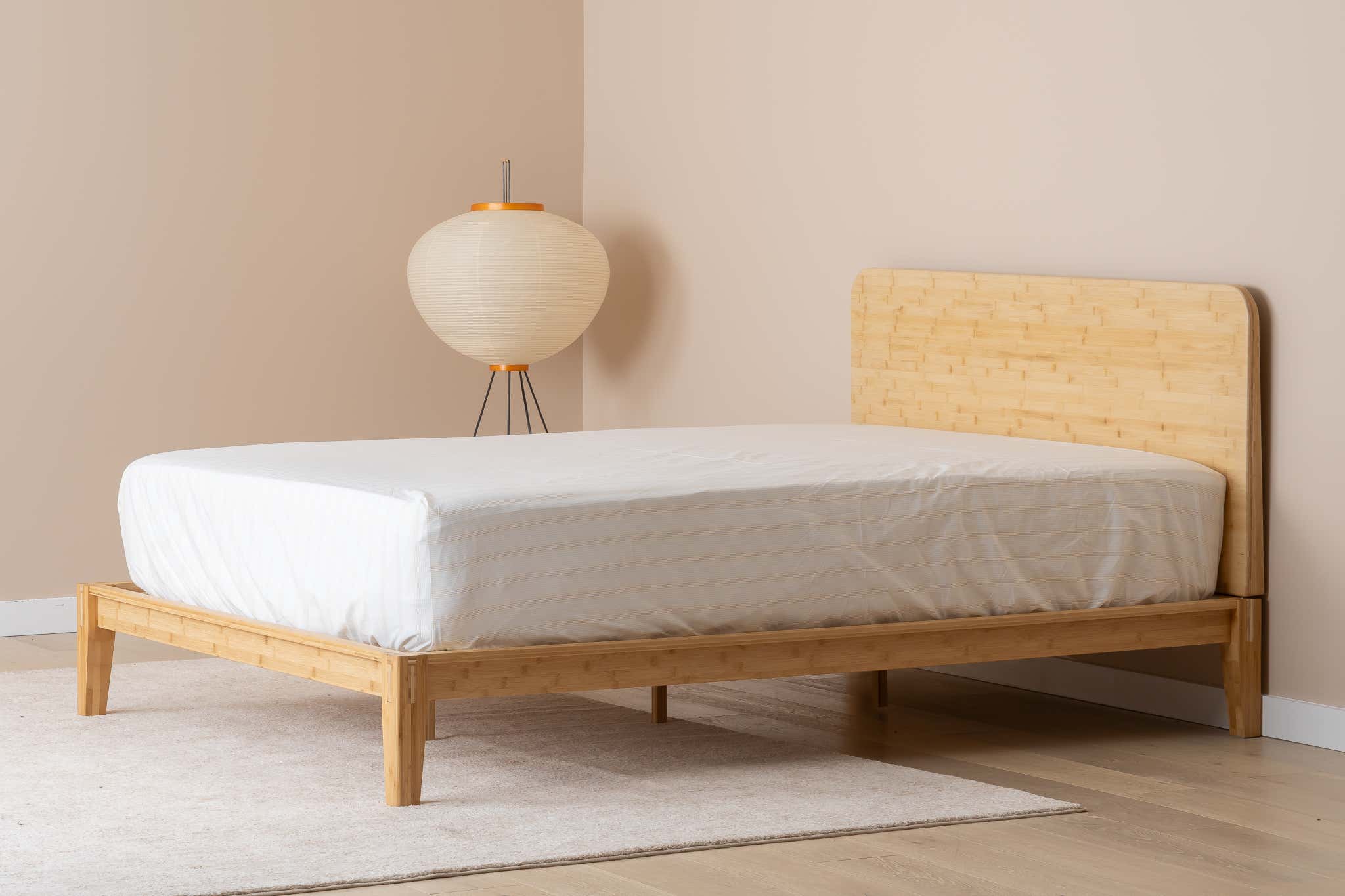
Look for loose or wobbly joints, especially at the headboard and footboard connections. Solid wood frames rely on mortise-and-tenon or dowel joints. If you see gaps or hear creaking when you apply pressure, the glue may have failed or the wood may have warped. Avoid frames that rely solely on screws for structural integrity, as these can strip over time.
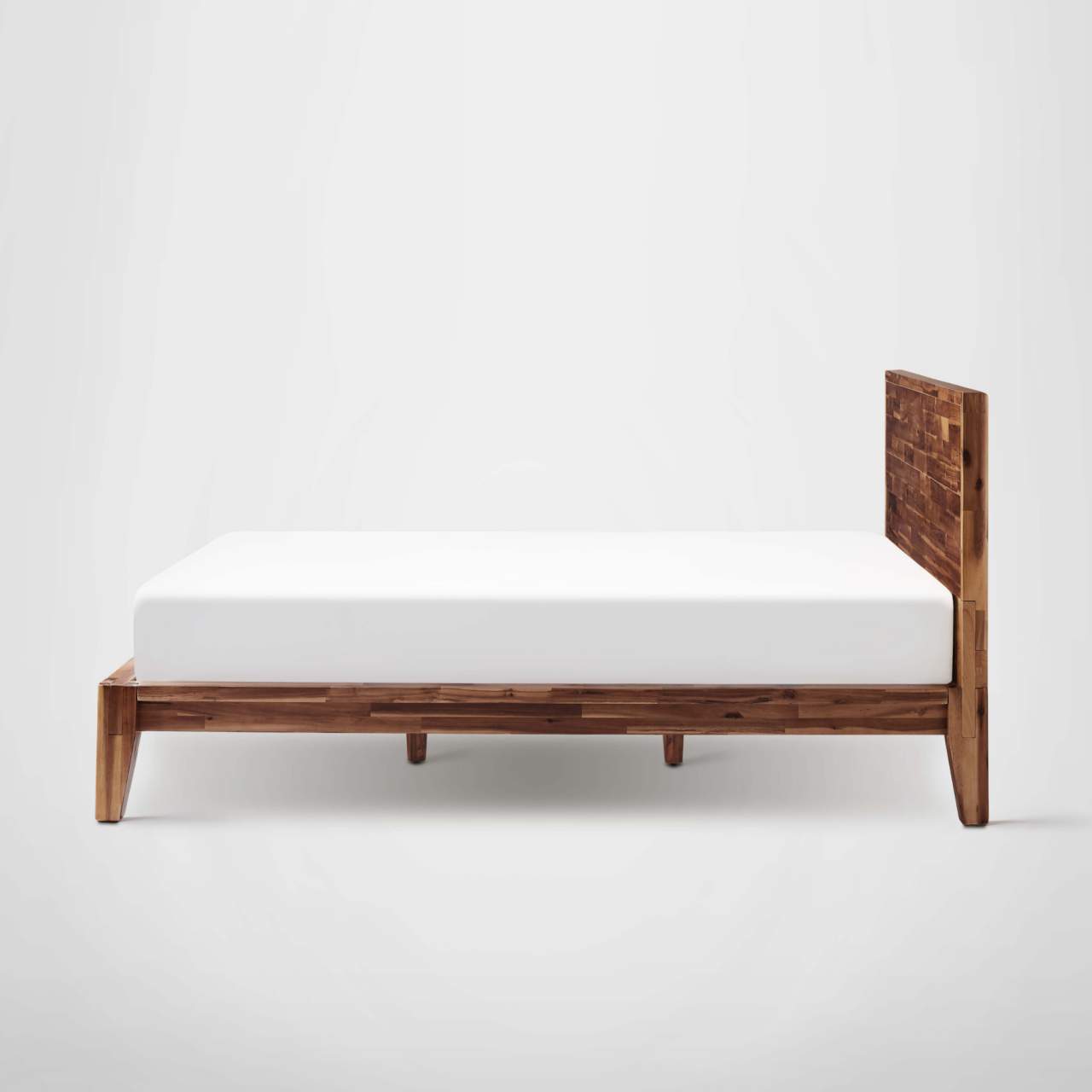
The center support leg bears the most weight. Check that the leg is thick enough (at least 2x2 inches) and made of solid wood or heavy-gauge steel. Ensure the leg adjusts easily to sit flush against the floor. A wobbly or thin center support is the most common cause of sagging mattresses and broken slats in queen and king sizes.

Slat spacing should be no more than three inches apart to prevent mattress sagging. Check for cracks or splinters in the wood. Solid hardwood slats are superior to laminated or plywood slats, which can delaminate under heavy loads. If the slats are removable, check that they sit securely in their grooves and don't slide out during movement.
Even on wooden frames, metal hardware can rust, especially if the frame is near a window or in a humid room. Check all bolts, nuts, and brackets for signs of corrosion. Rusty hardware can seize up, making future adjustments or disassembly difficult. Ensure all provided hardware is present and that the frame includes locking nuts to prevent loosening over time.
By focusing on these specific areas, you can identify potential issues before they become costly repairs. A thorough inspection of these parts ensures your wooden bed frame will last for years without unexpected failures.
Plan for Ownership Costs
The sticker price is only the beginning of the equation for a wooden bed frame. Unlike metal or plastic, wood interacts with humidity and temperature, meaning your initial purchase is just the entry fee for a long-term maintenance routine. A cheaply made frame might save you $50 upfront but cost hundreds in repairs, refinishing, or premature replacement within three years. Understanding these hidden costs helps you distinguish between a bargain and a liability.
Hidden Maintenance and Repair Costs
Wooden frames require periodic attention to remain stable and durable. Dust mites and allergens can accumulate in wooden slats or joints, requiring vacuuming or wiping down with specific wood-safe cleaners. Over time, squeaks often develop from friction between joints or loose hardware. Tightening bolts and applying wood conditioner or wax every six to twelve months can prevent cracking and warping, especially in dry climates.
If a slat breaks or a joint loosens, replacement parts are rarely standardized. You may need to source custom wood pieces or hire a carpenter, which can quickly exceed the cost of a new budget frame. Always check if the manufacturer offers a parts replacement policy before buying a lower-tier model.
When a Cheap Frame Becomes Expensive
A budget wooden frame often uses softer woods like pine or poplar, which dent and scratch easily. In high-traffic bedrooms or homes with pets, these cosmetic and structural damages accumulate fast. A $100 frame that lasts two years costs $50 per year. A $300 frame built from hardwoods like oak or walnut might last a decade, costing $30 per year. The math shifts significantly when you factor in the hassle of returns, shipping heavy items, and the disruption of replacing furniture.
Investing in a frame with a solid warranty and high-quality joinery (like mortise and tenon or reinforced corner blocks) reduces the likelihood of costly mid-life repairs. Look for brands that stand behind their craftsmanship, as this often signals better material selection and construction methods that withstand daily wear.


As an Amazon Associate, we may earn from qualifying purchases.
Bed arc: what to check next
The Bed Arc is a solid wood frame designed for durability and stability, but buyers often have specific concerns before committing to a high-ticket furniture purchase. Here are the most common questions about assembly, maintenance, and warranty.
Is the Bed Arc difficult to assemble?
No. The frame arrives in two main sections: the headboard and the side rails with slats. Most customers report it takes about 20-30 minutes to assemble with just a Phillips head screwdriver. The pre-drilled holes align perfectly, and the instructions use clear diagrams rather than dense text.
How do I clean and maintain the wood finish?
Use a dry or slightly damp microfiber cloth to remove dust. Avoid harsh chemicals, ammonia-based cleaners, or excessive water, as these can damage the protective sealant. For minor scratches, a matching wood touch-up marker or a small amount of olive oil can help disguise imperfections.
Does the Bed Arc require a box spring?
No. The frame includes sturdy, evenly spaced wooden slats that provide adequate support for most memory foam and innerspring mattresses. A box spring is not necessary and would actually raise the bed height too much for most users.
What is the warranty coverage?
Bed Arc offers a 5-year limited warranty that covers manufacturing defects, such as cracked wood or loose joints under normal use. It does not cover damage from misuse, accidents, or normal wear and tear. Keep your receipt and assembly photos for proof of purchase.
No comments yet. Be the first to share your thoughts!