

The high cost of high-tech sleep
Smart bed frames. They’re not just a bed anymore, are they? We’re talking about a growing category of furniture that attempts to integrate sleep with the broader wellness space. It’s a concept gaining traction, but one that comes with a significant price tag. The question isn’t simply can you afford one, but should you? The market is still relatively young, but we’re seeing more players enter the field, each promising a better night’s sleep through technology.
The market is a mess of different standards. You can buy a simple adjustable base with an app or spend thousands on a system that tracks your heart rate and changes its own temperature. Some brands claim these are medical-grade tools for back pain, but I'd be skeptical of those promises until the clinical data catches up.
I’ve spent the last few months looking at what’s available, and the sheer number of features can be overwhelming. Many frames boast Bluetooth connectivity, USB charging ports, and under-bed lighting, but do these genuinely improve sleep quality? That's what we’ll be exploring. It’s important to be realistic: these frames aren’t a magic bullet. They’re a tool, and like any tool, their effectiveness depends on how you use them.
The current price range for a basic smart bed frame starts around $800 and can easily exceed $3,000 for a fully loaded model. This cost is a major barrier to entry for many consumers. It also means that expectations are high. People investing this kind of money want to see a tangible return in terms of improved sleep and overall well-being. The market in 2026 is projecting continued growth, but it hinges on demonstrating that value.
What these beds actually do
Let’s break down the features you'll encounter when shopping for a smart bed frame. Adjustable bases are probably the most common. These allow you to raise and lower the head and foot of the bed, which can be beneficial for reading, watching TV, or alleviating snoring. Some frames offer independent adjustability, meaning each side of the bed can be positioned differently. This is a godsend for couples with differing preferences.
Then there’s sleep tracking. Most frames use sensors to monitor your movements, heart rate, and respiration rate throughout the night. This data is then presented in an app, giving you insights into your sleep stages (light, deep, REM). The promise is to help you identify patterns and make adjustments to improve your sleep hygiene. However, the accuracy of these sensors is often debated, and the data’s usefulness depends on your ability to interpret it.
Automatic temperature control is a more advanced feature, using built-in heating and cooling elements to maintain a comfortable sleep environment. This is particularly appealing to those who struggle with night sweats or live in climates with extreme temperatures. Some systems use dual-zone temperature control, allowing each side of the bed to be adjusted independently. The effectiveness of these systems varies, and they can consume a significant amount of energy.
Built-in massage is another popular feature, using vibrating motors to provide gentle massage to your back and legs. While it can be relaxing, it’s unlikely to provide the same therapeutic benefits as a professional massage. Zero-gravity positioning aims to reduce pressure on the spine and improve circulation by raising your legs above your heart. It’s a feature often marketed to those with back pain or other medical conditions. Whether it actually delivers on these claims is questionable.
Finally, under-bed lighting is a common add-on, offering a soft glow for navigating the bedroom at night. It’s a convenient feature, but hardly a game-changer. It’s important to separate the truly sleep-enhancing features from those that are simply nice-to-haves. And we need to consider the privacy implications of all this data collection. What's being tracked, where is it stored, and who has access to it? These are critical questions to ask.
- Adjustable base: Moves the head and foot sections to help with snoring or reading.
- Sleep tracking: Monitor movements, heart rate, and respiration.
- Temperature control: Heating and cooling elements for comfort.
- Massage: Vibrating motors for relaxation.
- Zero-gravity positioning: Reduce pressure on the spine.
- Under-bed lighting: Soft glow for nighttime navigation.
Smart Bed Frame Feature Comparison - 2026
| Feature | Benefits | Drawbacks | Privacy Concerns | Cost Impact |
|---|---|---|---|---|
| Adjustable Base | Enhanced comfort for reading, watching TV, or alleviating certain medical conditions (e.g., acid reflux, sleep apnea). Customizable sleep positions. | Can be complex to operate for some users. Potential for mechanical failure. May require a specific mattress type for optimal function. | Data collection related to preferred positions could potentially be used for targeted advertising or shared with third parties (depending on manufacturer’s policies). | Moderate to High - typically adds several hundred to several thousand dollars to the bed frame cost. |
| Sleep Tracking | Provides data on sleep stages (light, deep, REM), heart rate, and respiration rate. Offers insights into sleep quality and potential areas for improvement. | Accuracy can vary significantly between brands and technologies. May cause anxiety for individuals overly focused on sleep data. Requires consistent use to generate meaningful data. | Data is highly personal and sensitive. Concerns about data security and potential breaches. Requires careful review of the manufacturer’s data privacy policy. | Low to Moderate - often included as a standard feature in higher-end smart frames, adding $100 - $500 to the cost. |
| Temperature Control (Active Cooling/Heating) | Maintains optimal sleep temperature for improved sleep quality. Can alleviate night sweats or keep sleepers warm during colder months. | Can be energy intensive. Some systems may be noisy. Potential for uneven temperature distribution. | Data on sleep temperature preferences could be collected and analyzed. Potential for system vulnerabilities leading to unauthorized temperature adjustments. | High - typically one of the most expensive features, adding $500 - $2000+ to the cost. |
| Massage Function | Promotes relaxation and muscle recovery. Can reduce pain and improve circulation. | Effectiveness varies based on the quality of the massage motors and programs. May be disruptive to a partner. Some users may find the vibrations uncomfortable. | Minimal direct privacy concerns, though data about usage patterns could be collected. | Moderate - adds $200 - $800 to the cost, depending on the sophistication of the massage system. |
| Zero Gravity Positioning | Designed to mimic a weightless sensation, reducing pressure on the spine and improving circulation. Can be beneficial for individuals with back pain or swelling. | May not be suitable for all body types or medical conditions. Requires a compatible adjustable base. | Similar to adjustable base concerns – data on preferred positions could be collected. | Moderate - typically included with adjustable base functionality, contributing to the overall higher cost. |
| Smart Home Integration | Allows control of bed functions via voice commands or smartphone apps. Integration with other smart home devices (e.g., lights, thermostats). | Relies on a stable Wi-Fi connection. Potential compatibility issues with certain smart home ecosystems. Security vulnerabilities in the smart home network could affect the bed’s functionality. | Data transmitted between the bed and other smart home devices could be intercepted. Requires careful management of smart home security settings. | Low to Moderate - often a software feature included in the bed’s price, but may require compatible smart home hubs or subscriptions. |
Illustrative comparison based on the article research brief. Verify current pricing, limits, and product details in the official docs before relying on it.
The limits of sleep tracking
The sleep tracking capabilities of smart bed frames are a major selling point, but how reliable are they? Most frames utilize sensors – typically pressure sensors and accelerometers – to detect your movements and estimate your sleep stages. They often claim to track light sleep, deep sleep, REM sleep, and periods of wakefulness. Some even attempt to measure heart rate variability (HRV) and respiration rate.
However, it’s crucial to understand that these measurements are estimates. They’re not as accurate as a polysomnography (PSG) – the gold standard for sleep analysis conducted in a sleep lab. A 2023 study published in the Journal of Clinical Sleep Medicine found that consumer sleep trackers had a significant error rate when compared to PSG data. The accuracy varied depending on the device and the metric being tracked.
Data integration is another key consideration. Many smart bed frames allow you to sync your sleep data with popular health apps like Apple Health and Google Fit. This can be useful for getting a holistic view of your health and wellness. However, data security and privacy are legitimate concerns. What happens to your sleep data? Is it encrypted? Is it shared with third parties? You need to read the privacy policy carefully before connecting your bed to the internet.
The usefulness of the data itself is also debatable. Simply knowing how long you spent in each sleep stage doesn’t necessarily tell you why you’re not sleeping well. It’s just information. To make meaningful changes, you need to combine this data with other factors, like your diet, exercise routine, and stress levels. Actionable insights are what matter, and unfortunately, many smart bed frames fall short in that regard.
- Metrics tracked: Sleep stages (light, deep, REM), heart rate variability, respiration rate, movement.
- Accuracy concerns: Consumer trackers are less accurate than polysomnography (PSG).
- Data integration: Syncs with Apple Health and Google Fit.
- Privacy concerns: Data encryption and third-party sharing.
Amazon & Walmart’s Smart Bed Selection (2026)
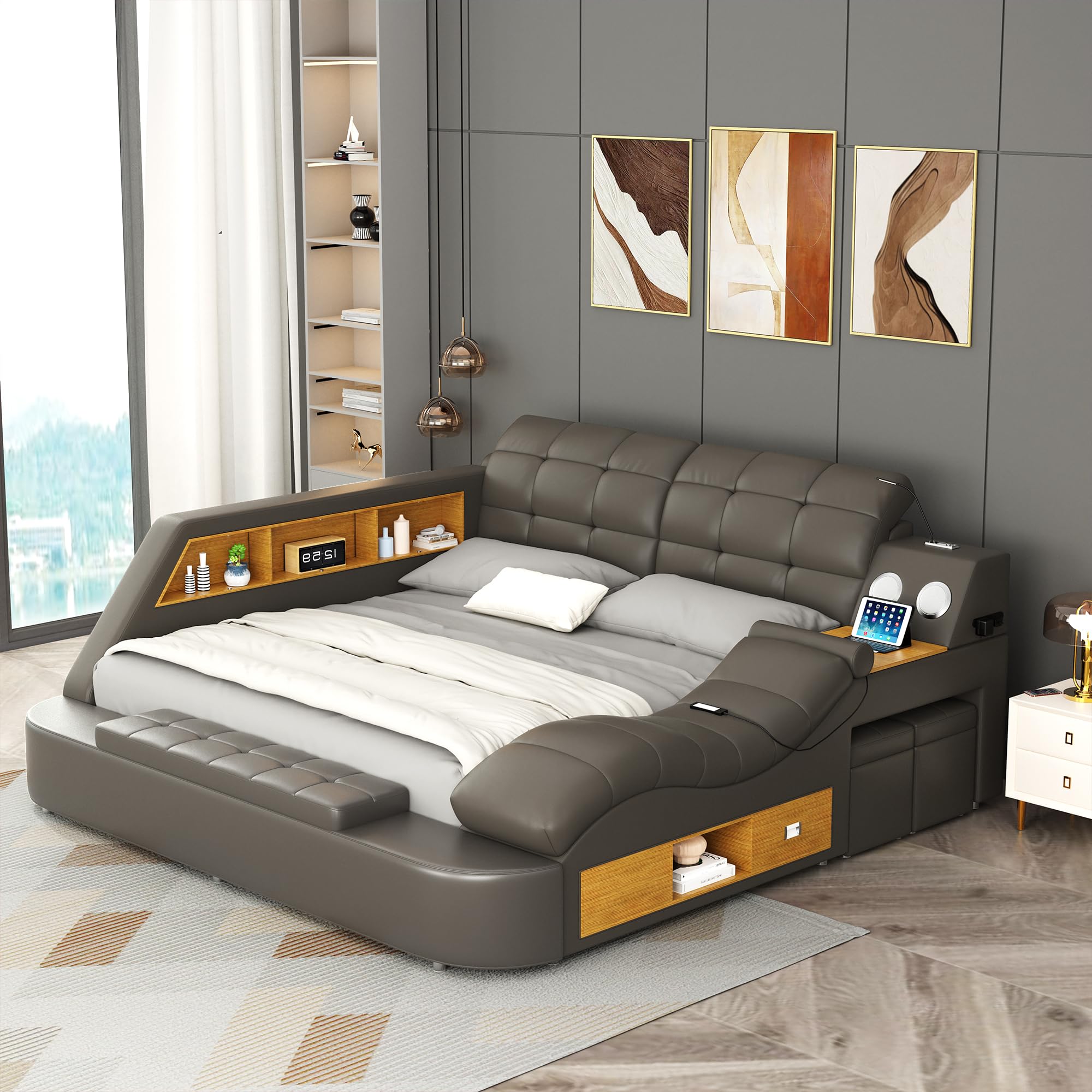
Both Amazon and Walmart have significantly expanded their smart bed frame offerings in recent years. In 2026, the selection is quite robust, with options to fit a variety of budgets and needs. Walmart currently stands out with the Multifunction Smart King Bed Frame, retailing around $1,200. This frame includes a massage function, built-in Bluetooth speakers, USB charging ports, and storage drawers. User reviews are mixed, with some praising its features and others complaining about its build quality.
Amazon offers a wider range of choices, from basic adjustable bases to more sophisticated smart frames. The SleepSense iQ Bed Frame (approximately $1,800) is a popular option, featuring advanced sleep tracking, temperature control, and personalized comfort settings. It integrates seamlessly with Amazon’s Alexa ecosystem, allowing you to control the bed with voice commands. However, some users have reported connectivity issues and concerns about data privacy.
A standout option from Amazon is the RestWell Pro Adjustable Base ($900), which focuses on core adjustability without all the bells and whistles. It’s a good choice for those who want a comfortable adjustable bed without the complexities of a full-featured smart frame. Reviews consistently highlight its quiet motor and ease of use.
Another compelling option available on both platforms is the Eight Sleep Pod 3 Cover ($2,199), though technically not a frame, it transforms a standard bed into a smart sleep system. The cover uses water-based temperature regulation and tracks sleep metrics. It's a popular pick among those wanting advanced temperature control without swapping their entire bed.
It’s important to read user reviews carefully before making a purchase. Pay attention to comments about build quality, reliability, and customer support. Also, consider the return policy in case you’re not satisfied with your purchase. Don’t be swayed by overly positive or negative reviews; look for patterns and common themes.
- Walmart: Multifunction Smart King Bed Frame ($1,200) - Massage, Bluetooth, USB.
- Amazon: SleepSense iQ Bed Frame ($1,800) - Advanced tracking, temperature control, Alexa integration.
- Amazon: RestWell Pro Adjustable Base ($900) - Core adjustability, quiet motor.
- Amazon/Walmart: Eight Sleep Pod 3 Cover ($2,199) - Temperature regulation, sleep tracking.
Featured Products

Head and foot incline · Wireless remote with memory settings · 3 massage settings
This adjustable base offers a comprehensive suite of comfort and convenience features, including massage and smart modes, to personalize your sleep experience.

Dual motor for independent head and foot adjustment · Wireless remote or app control · 3-minute assembly
The Marsail NS2 Pro provides smart control options and quick setup, making it an accessible entry point into tech-integrated adjustable bed frames.

Includes 14” Luxury Hybrid Mattress · Smart APP control · Massage, zero gravity, and anti-snore modes
This all-in-one split king solution combines a smart adjustable frame with a premium mattress, offering advanced customization and a complete sleep upgrade.
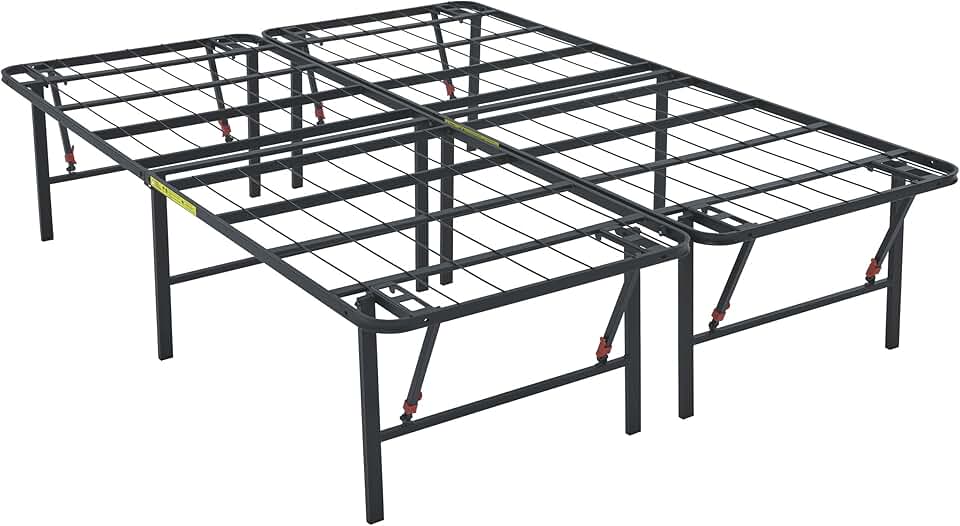
Foldable metal platform design · Sturdy steel construction · No box spring required
While not a smart frame, this Amazon Basics option offers practical storage and easy setup, serving as a reliable foundation for any mattress.

Designed to support Casper mattresses · Sturdy platform construction · No box spring needed
The Casper Sleep Foundation provides a solid and stylish base for your mattress, ensuring optimal support and longevity for your sleep setup.
As an Amazon Associate I earn from qualifying purchases. Prices may vary.
Beyond the Big Retailers: Emerging Brands
While Amazon and Walmart dominate the market, several emerging brands are challenging the status quo with innovative designs and features. Balluga, for example, specializes in luxury smart beds with a focus on personalized comfort. Their frames incorporate advanced materials and technology to provide optimal support and temperature regulation. They’re significantly more expensive, starting around $4,000, but cater to a niche market willing to pay a premium.
ReST Bed, another player to watch, is focusing on beds designed to alleviate back pain. Their frames utilize a unique suspension system that adapts to your body’s contours, providing targeted support and reducing pressure points. They also offer integrated sleep tracking and personalized recommendations. Their price point is comparable to Balluga.
Bryte Bed (acquired by Sleep Number in 2023) is notable for its focus on dynamic support and automated adjustments. The bed uses sensors to monitor your movements and automatically adjust its firmness throughout the night. While Sleep Number's integration may change things, Bryte initially stood out for its sophisticated technology.
These smaller brands often prioritize quality and innovation over mass production. They’re more likely to experiment with new technologies and offer customized solutions. However, they may also have limited customer support and longer lead times. It's a trade-off between cutting-edge features and established reliability.
Nectar Premier Adjustable Base - Queen - Head & Foot Incline - Wireless Remote with Memory- 3 Massage Settings - 4 USB Ports - Anti-Snore & Zero Gravity
- Head and foot incline adjustment
- Wireless remote with memory presets
- Three massage settings
- Four USB charging ports
- Anti-snore and zero gravity modes
The Nectar Premier Adjustable Base offers a comprehensive suite of smart features, including customizable incline, massage, and USB charging, making it an excellent choice for readers seeking advanced tech integration in their sleep setup.
View on Amazon →As an Amazon Associate I earn from qualifying purchases.
The Future of Sleep Tech: What’s on the Horizon?
The future of smart bed frames looks promising, with several exciting developments on the horizon. We can expect to see greater integration with other smart home devices, allowing you to control your bed as part of a broader automated sleep routine. Imagine your bed automatically adjusting its temperature and lighting based on your schedule and preferences.
Advancements in sleep tracking technology will likely lead to more accurate and personalized insights. We may see the integration of more sophisticated sensors, such as those that can monitor brainwave activity. This could enable the development of AI-powered features that can adapt to your individual sleep patterns and optimize your sleep environment.
Personalized sleep experiences are another key trend. Beds may be able to adjust their firmness, temperature, and position based on your body weight, sleep position, and other factors. This could lead to a more comfortable and restorative sleep experience. I'm also anticipating more focus on sleep apnea detection and management, with beds that can automatically adjust your position to keep your airways open.
The rise of biometric data and AI also raises privacy concerns. Future iterations will need to prioritize data security and transparency. We may see the emergence of more decentralized sleep tracking systems that give users greater control over their data. Ultimately, the goal is to create a sleep environment that is not only technologically advanced but also safe, secure, and personalized.
- Greater smart home integration.
- More accurate sleep tracking with advanced sensors.
- Personalized sleep experiences based on individual needs.
- Focus on sleep apnea detection and management.
- Increased emphasis on data privacy and security.
No comments yet. Be the first to share your thoughts!