

Hybrid mattresses and frame foundations
Hybrid mattresses are heavy. Because they pack steel coils and dense foam into one shell, they require more structural support than a standard foam or old-school spring bed. If the base isn't right, the layers won't breathe or align correctly.
The increased complexity of a hybrid construction means the bed frame plays a bigger role than ever before. A poorly chosen frame can negate many of the benefits of a high-quality mattress, leading to sagging, reduced airflow, and even voiding your warranty. Traditional bed frames, designed for simpler mattresses, often lack the consistent support a hybrid needs to perform at its best.
Think about it: those old box springs were designed to work with innerspring coils. Hybrids don’t rely on that same spring-on-spring action. They need a flat, supportive surface that allows the coils to move independently and the foam to breathe. It’s about providing the right environment for all those carefully engineered layers to do their job.
We’re seeing a lot of people invest significant money in hybrid mattresses – some costing upwards of $2000 for a queen size. It feels counterintuitive to then skimp on the frame, but it happens all the time. Choosing the right frame isn't just about aesthetics; it’s about protecting your investment and ensuring years of comfortable sleep.
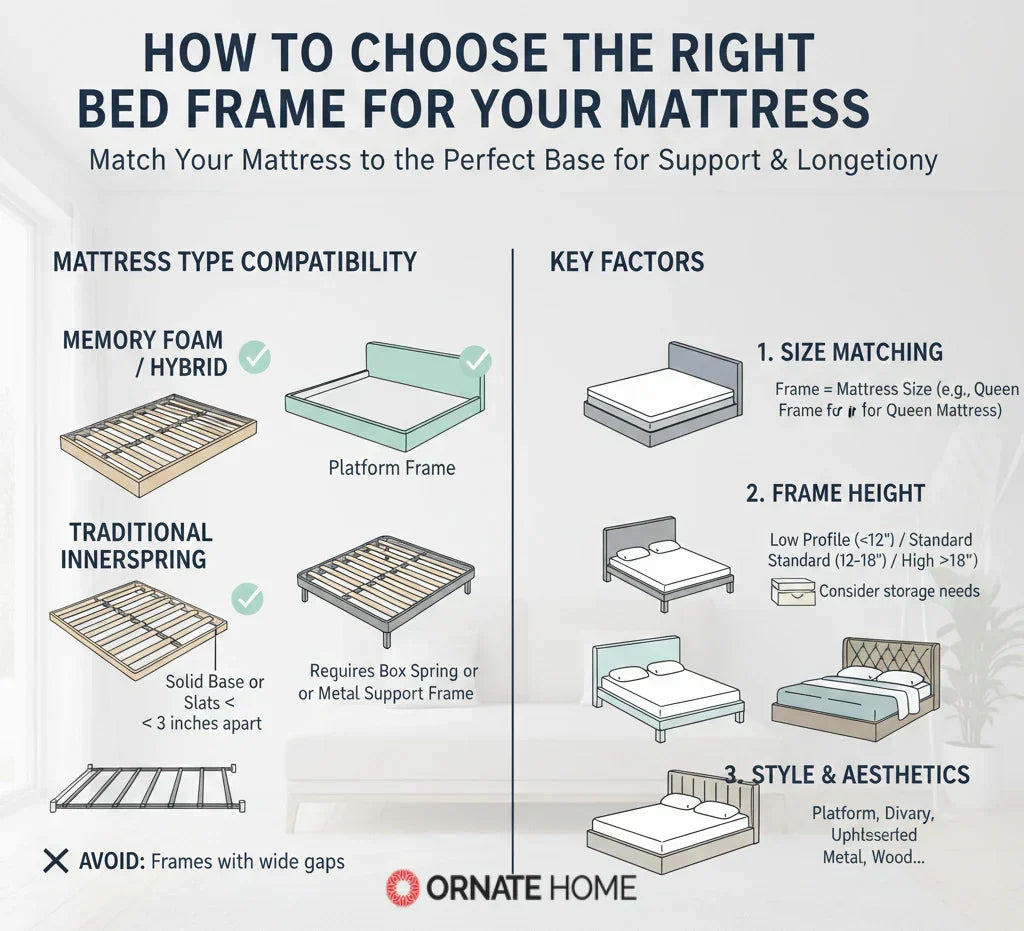
Slats or solid platforms
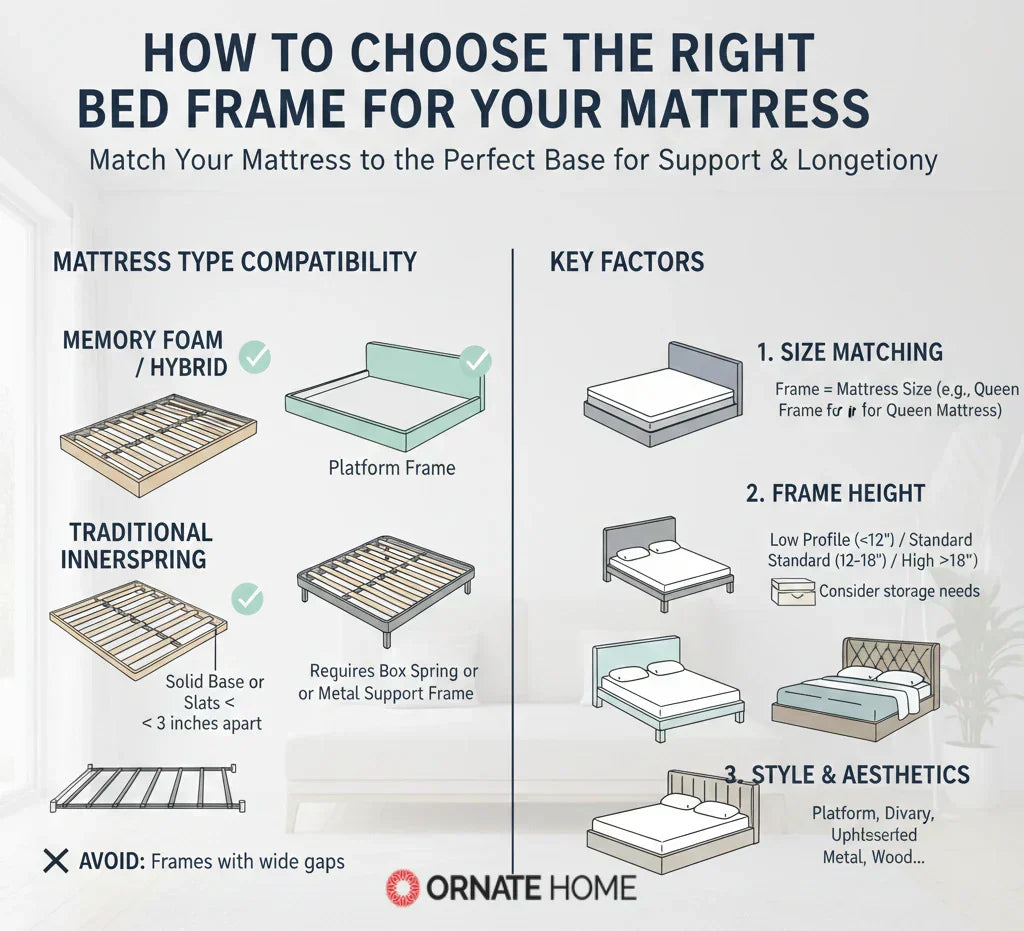
The biggest question when choosing a mattress frame is often whether to go with a slatted frame or a solid platform bed. Both have their advantages and disadvantages, and the best choice depends on your specific mattress and preferences. A lot of people don’t realize how crucial this is to the overall performance of the mattress.
Slatted frames are generally more affordable and offer better airflow, which can help regulate temperature and prevent moisture buildup. However, the spacing between the slats is critical. Too wide a gap – anything over 3-4 inches – and your mattress could sag over time, potentially voiding the warranty. Ideally, you want slats spaced no more than 2.75 inches apart. Reinforcing existing slats with a center support beam or additional slats is often a worthwhile investment.
Solid platform beds provide consistent, even support across the entire surface. This is generally considered the most supportive option for hybrid mattresses, especially those with a heavier coil count. They also eliminate the risk of the mattress falling through gaps, something that can happen with poorly constructed slatted frames. The downside? They can sometimes trap heat and moisture, and can be heavier and more difficult to move.
Check your warranty before buying a frame. Most brands, like Purple or Saatva, require slats to be no more than 3 inches apart. If you use a frame with 5-inch gaps and the mattress sags, the manufacturer will likely deny your warranty claim based on improper support.
Hybrid Mattress & Bed Frame Compatibility: A Comparison
| Feature | Slatted Bed Frames | Solid Platform Frames |
|---|---|---|
| Cost | Generally Lower | Can range from Lower to Higher |
| Airflow | Excellent | Fair - may require specific design features for ventilation |
| Hybrid Mattress Support | Good - Flexibility adapts to contours | Excellent - Provides a consistently firm, even surface |
| Ease of Assembly | Good - Often simpler construction | Fair - Can be more complex, especially with headboards/footboards |
| Noise Potential | Fair - Slats can sometimes creak over time | Excellent - Generally very quiet |
| Aesthetic Versatility | Good - Wide range of styles available, from rustic to modern | Good - Offers clean lines and a minimalist look, but style options can be more limited |
| Motion Isolation | Fair - Some movement transfer possible between slats | Good - Tends to minimize motion transfer |
| Mattress Edge Support | Trade-off - Can sometimes allow edges to sink slightly | Better for - Provides a firmer edge, maximizing usable sleep surface |
Qualitative comparison based on the article research brief. Confirm current product details in the official docs before making implementation choices.
Metal frames for strength and airflow
Metal bed frames are a popular choice for their durability and affordability. They typically come in a few different styles: platform frames with a solid metal surface, frames with headboards and footboards, and adjustable frames. The platform style is often the most straightforward and supportive option for hybrid mattresses.
One of the biggest advantages of metal frames is their strength. They can easily support heavier mattresses and sleepers without buckling or bending. They also tend to offer good ventilation, thanks to the open structure, which helps dissipate heat. However, metal frames can sometimes be prone to noise – squeaking and creaking are common complaints.
Queen and king metal frames must have center support legs. Without them, the steel rails will bow under the 100-plus pound weight of a hybrid. Modern metal platforms often use rubber gaskets at the bolt points to stop the metal-on-metal squeaking common in older designs.
While some metal frames can look a bit industrial, many manufacturers are now offering more stylish options with powder-coated finishes and sleek designs. They're a practical choice, but don't have to sacrifice aesthetics. You can find good quality metal frames for around $150 - $300, depending on features and brand.
Wood Frames: Style and Support Trade-offs
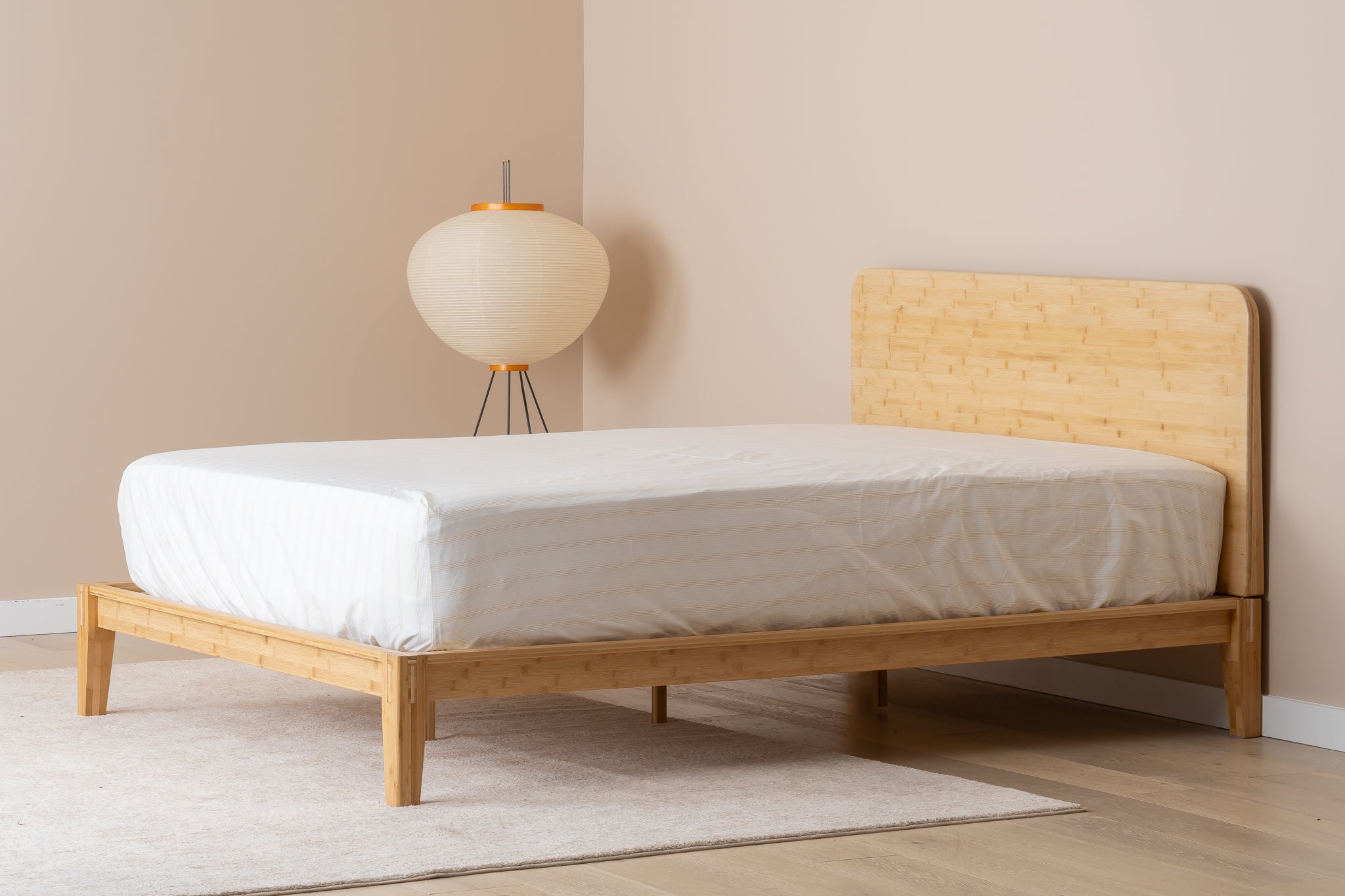
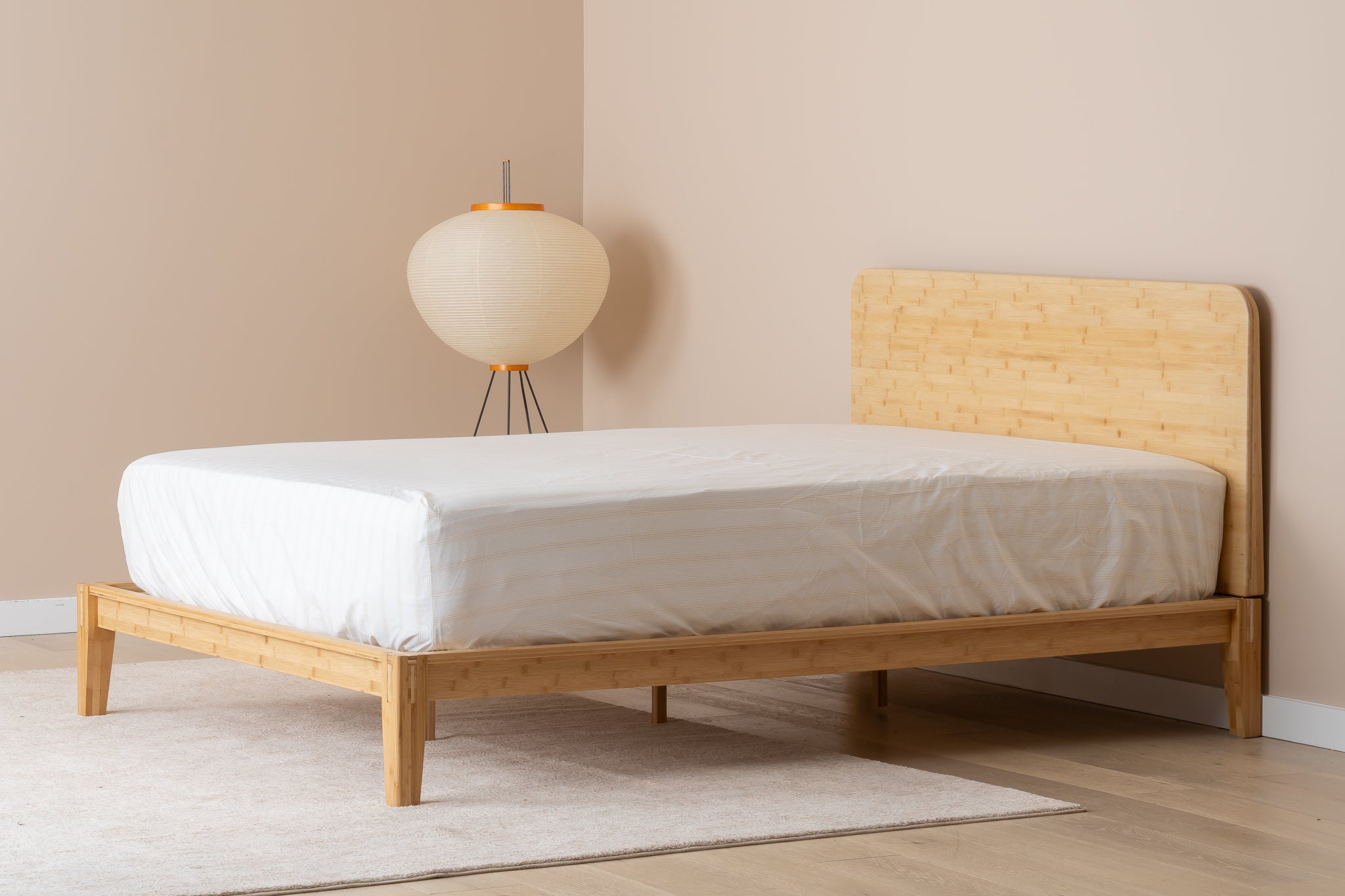
Wood bed frames offer a classic aesthetic and can add warmth and character to your bedroom. They come in a wide range of wood types, from affordable pine to more durable and expensive oak and maple. The construction method – solid wood versus engineered wood – significantly impacts both support and longevity.
Solid wood frames are the most durable option, but they’re also the most expensive. Engineered wood frames, which use layers of wood bonded together with adhesives, are more affordable and can still provide good support, but they may not last as long as solid wood. It’s easy to underestimate how much a frame contributes to the room's feel. A well-chosen wood frame can be a statement piece.
Common issues with wood frames include squeaking and warping. Squeaking can often be fixed by tightening the bolts and screws, or by applying lubricant to the joints. Warping can be a more serious problem, especially in humid climates. Look for frames made from kiln-dried wood, which is less prone to warping. A good quality wood frame will typically cost between $200 and $600.
The finish and style of the wood frame also play a role in the overall aesthetic. A dark, rustic finish can create a cozy and inviting atmosphere, while a lighter, more modern finish can complement a minimalist bedroom design. Pay attention to the details – the headboard design, the footboard style, and the overall craftsmanship.
Using adjustable bases
Adjustable bases are becoming increasingly popular, and they can be a fantastic complement to a hybrid mattress. They allow you to customize your sleeping position, which can improve comfort, reduce pressure points, and even improve circulation. Some models also offer features like massage and zero-gravity settings.
However, not all hybrid mattresses are compatible with adjustable bases. Some mattresses have coils that are too rigid or foam layers that are too dense to flex properly. Always check with the mattress manufacturer before using an adjustable base. Compatibility is key to preserving your warranty.
The cost of an adjustable base can range from $500 to $2000 or more, depending on the features. It’s a significant investment, but for some people, the benefits outweigh the cost. Consider your individual needs and preferences before making a decision. Do you have back pain? Do you enjoy reading or watching TV in bed? If so, an adjustable base might be a good option.
When choosing an adjustable base, look for one with a powerful motor, a sturdy frame, and a remote control that’s easy to use. Consider the weight capacity of the base as well, especially if you and your partner are both heavier sleepers.
Budget Frames: What You Sacrifice
Let’s be realistic: not everyone wants to spend a fortune on a bed frame. There are plenty of budget-friendly options available from retailers like Ikea, Wayfair, and Amazon. However, it’s important to understand what you’re giving up in terms of durability, support, and longevity. You often get what you pay for.
Cheaper frames are often made from lower-quality materials, such as thin metal or particleboard. They may have fewer support legs, which can lead to sagging and uneven weight distribution. They may also be less aesthetically pleasing and require more assembly. It’s tempting to save money upfront, but sometimes, spending a little more can save you a lot of frustration in the long run.
Ikea’s MALM frame, for example, is a popular budget option, but it relies heavily on slats and may not provide adequate support for heavier mattresses or sleepers. Wayfair offers a wide range of affordable frames, but the quality can vary significantly. Amazon’s JETO Metal Bed Frame is a popular choice, but it’s important to read reviews carefully and check the weight capacity.
If you’re on a tight budget, focus on finding a frame that provides adequate support, even if it’s not the most stylish option. Reinforcing the slats or adding a center support beam can help improve the durability and longevity of a cheaper frame.
Frame Features to Prioritize
- Slat Spacing - Hybrid mattresses require support every few inches to prevent sagging. Look for slats spaced no more than 4 inches apart; 3 inches or less is ideal.
- Weight Capacity - Hybrid mattresses, due to their construction, are often heavier than all-foam models. Ensure the frame’s stated weight capacity comfortably exceeds the mattress weight *plus* the combined weight of the sleepers.
- Center Support - For queen and king-size frames, a center support beam (and legs) is crucial. This prevents the mattress from bowing and provides consistent support across the sleeping surface.
- Leg Construction - Sturdy legs are fundamental. Solid wood or metal legs are preferable to plastic, especially for heavier hybrid mattresses. Consider the leg design - wider bases offer greater stability.
- Frame Material Durability - While wood and metal are common, consider the quality. Solid hardwoods (like oak or maple) and steel frames offer greater longevity than particleboard or hollow metal tubing.
- Warranty Coverage - A frame warranty indicates the manufacturer's confidence in its product. Look for at least a 5-year warranty covering structural defects. Read the fine print to understand what’s covered.
- Slat Material Strength - Pine slats are common, but for heavier hybrids, consider hardwood slats (like birch or oak) or reinforced metal slats for increased durability and support.
Beyond the Basics: Uncommon Frame Styles
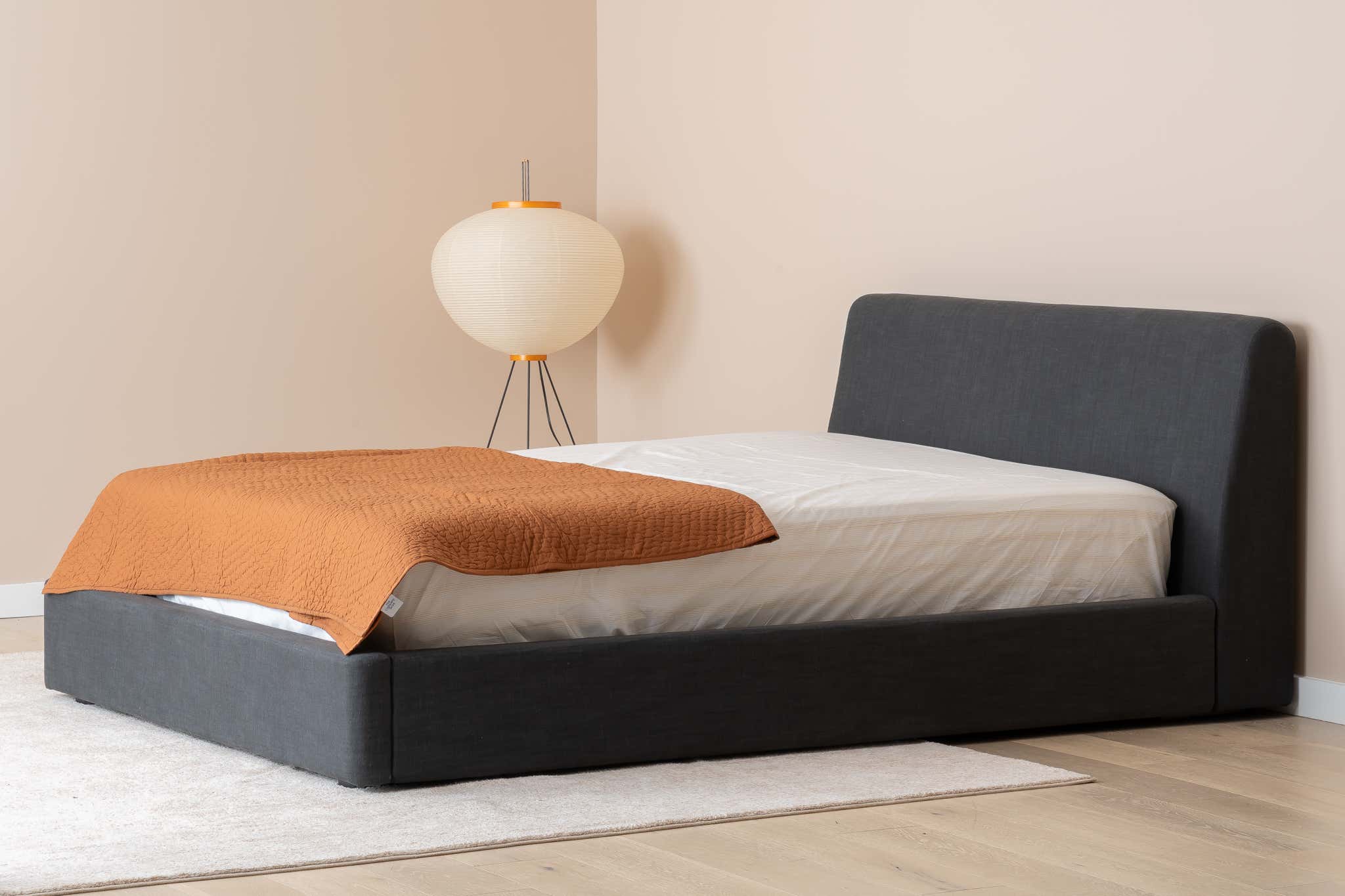
While slatted and platform frames are the most common choices, there are other options to consider. Platform beds with built-in storage are a great way to maximize space in smaller bedrooms. These frames typically have drawers or compartments underneath the mattress, providing convenient storage for bedding, clothes, or other items.
Futon frames can also be used with hybrid mattresses, but it’s important to choose a frame that provides adequate support. Not all futon frames are designed to handle the weight and construction of a hybrid mattress. I've seen some really clever designs lately that combine the functionality of a futon with the support of a traditional bed frame.
DIY frame options are another possibility for those who are handy and enjoy a challenge. You can build a custom frame using lumber and hardware from a local hardware store. This allows you to create a frame that’s perfectly tailored to your specific mattress and preferences. However, it requires some woodworking skills and time.
Minimalist bed frames are also gaining popularity. These frames typically have a low profile and a simple design, often made from metal or wood. They can create a clean and modern look in your bedroom. The key is to ensure that the frame provides adequate support for your hybrid mattress.
No comments yet. Be the first to share your thoughts!