

What makes a bed arc frame distinct
A durable wooden bed arc frame requires a specific approach to selection: define the constraint, compare realistic options, test the tradeoff, and choose the path with the fewest hidden costs. This sequence ensures the advice remains usable rather than decorative. After each step, verify that the recommendation fits your actual situation. If a choice depends on perfect timing or a best-case budget, include a simpler fallback.
Compare wood types for bed arc durability
The arched design of an arc frame places unique structural demands on the materials used. Unlike straight posts, the curve introduces constant tension and shear forces that can cause weaker woods to sag, crack, or fail at the joints over time. Choosing the right wood is the first step in ensuring the bed remains sturdy and safe for daily use.
Hardwoods generally offer the best balance of strength and longevity for this specific design. They resist the natural warping that softer woods often experience when subjected to the stress of an arched structure. Below is a comparison of the most common materials used in solid wood arc frames.
| Wood Type | Hardness | Durability | Cost |
|---|---|---|---|
| Oak | High | Excellent | Moderate |
| Walnut | High | Excellent | High |
| Maple | Very High | Excellent | Moderate |
| Pine | Low | Fair | Low |
| Engineered Wood | Variable | Poor | Low |
Oak and maple provide exceptional structural integrity, making them ideal choices for the heavy load-bearing curves of an arc frame. Walnut is also a premium choice, offering similar durability with a distinct aesthetic. These woods are dense enough to hold screws tightly at the joints, which is critical for maintaining the shape of the arc over years of use.
Pine is a softer wood that is more prone to denting and wear. While it can be used for arc frames, it may require more frequent maintenance or reinforcement to prevent sagging. Engineered wood products, such as MDF or particle board, lack the internal grain structure needed to support the tension of an arch. They are generally unsuitable for the structural components of an arc frame and should be avoided if long-term durability is a priority.
Inspect joinery and support slats
A wooden bed arc frame’s longevity depends entirely on how its parts connect. Cheap frames rely on staples or weak glue, which fail under the weight of sleep. Look for mechanical joints—specifically mortise-and-tenon or dovetail cuts—that interlock the wood. These joints resist pulling apart over time, keeping the frame square and stable.
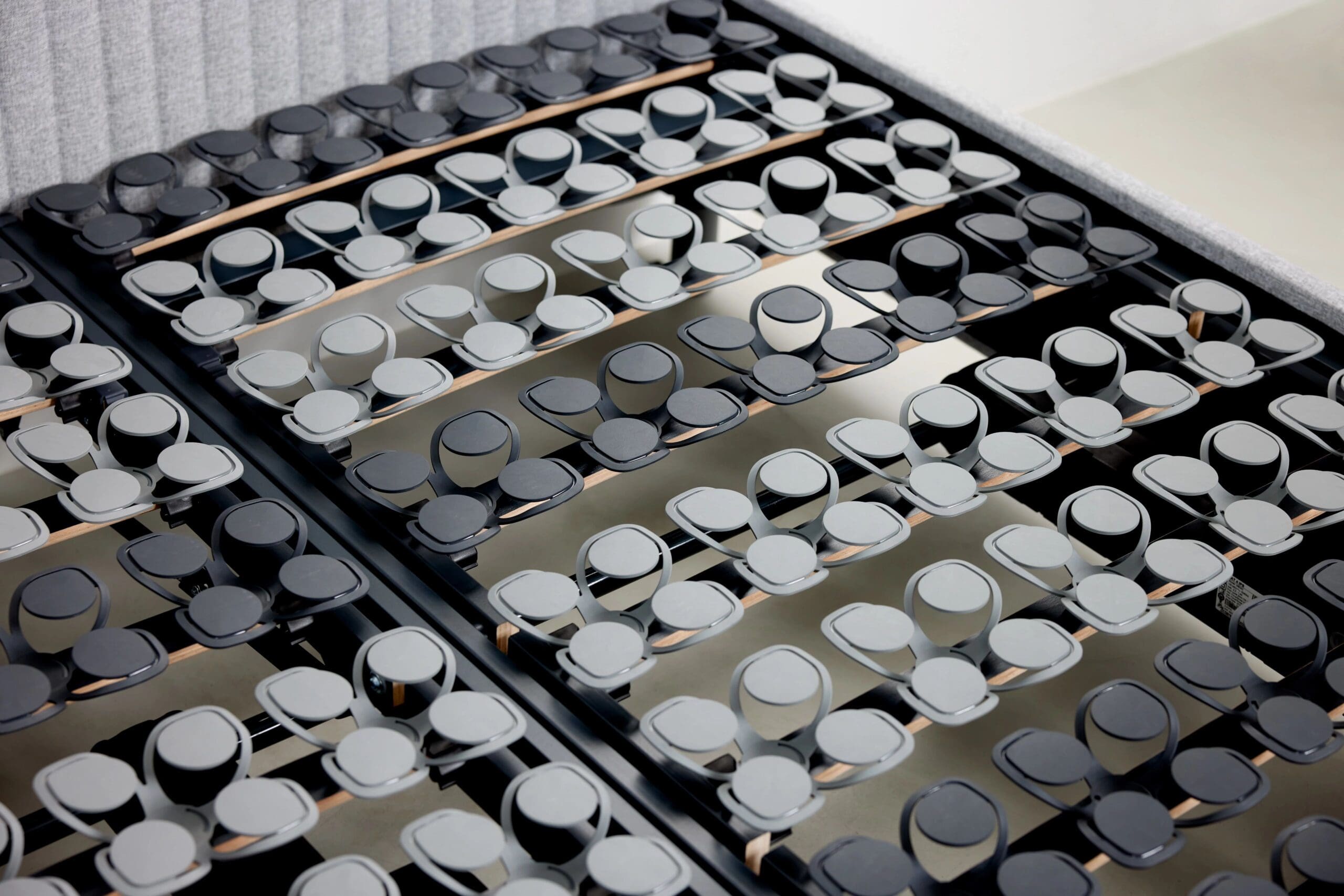
Check the slats that support the mattress. They should be solid wood, not thin particle board. Space them no wider than three inches apart to prevent sagging. If the slats are too far apart, your mattress will dip, and the frame may creak or break. Tighten any bolts you can reach; a loose frame is a noisy one.
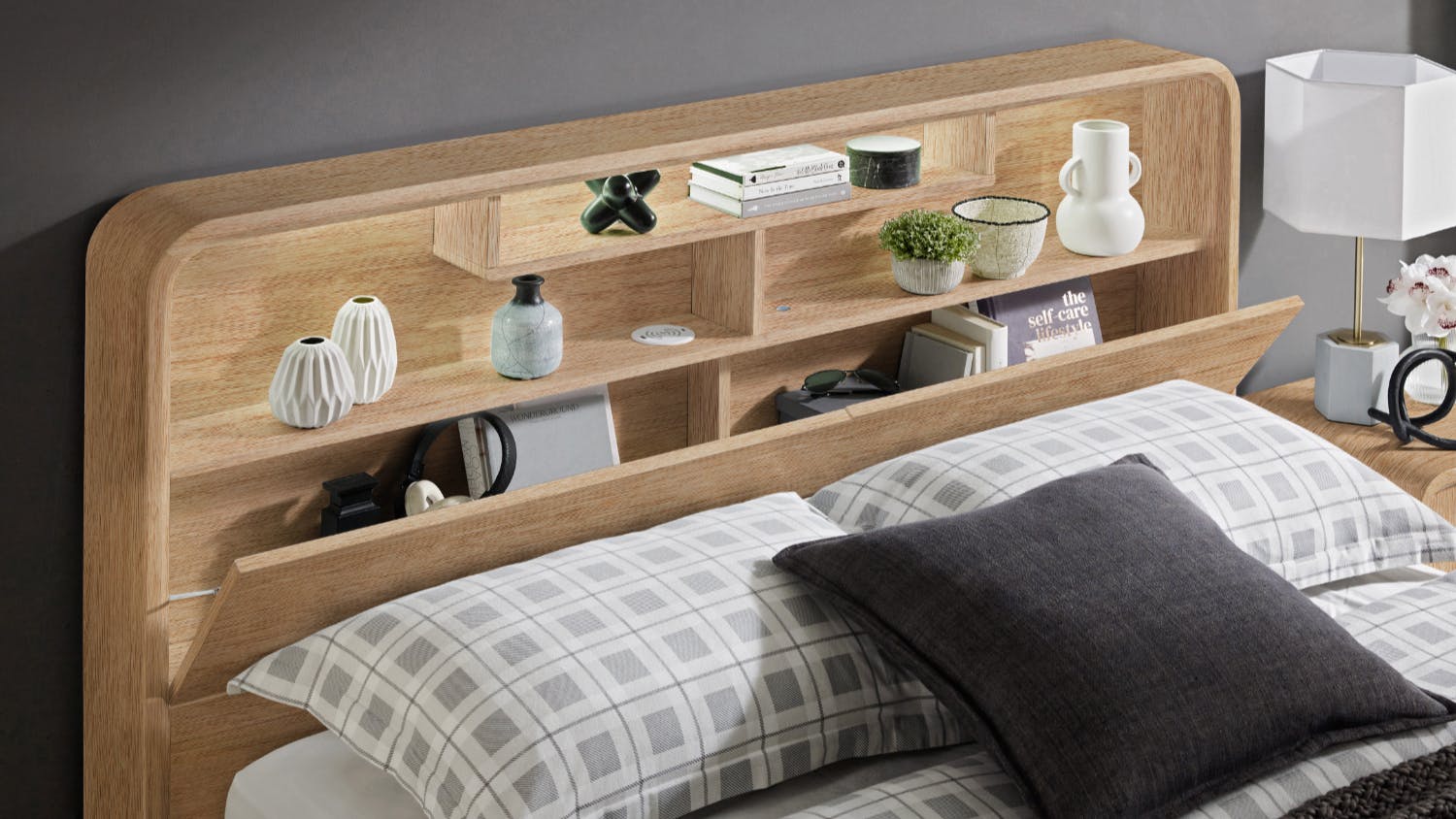
Use this checklist before you buy:
-
Mortise-and-tenon or dovetail joints at all corners
-
Solid wood slats spaced three inches or less apart
-
No visible gaps, cracks, or loose staples
-
Bolts tighten by hand without stripping
-
Center support leg touches the floor securely
Assemble your bed arc frame correctly
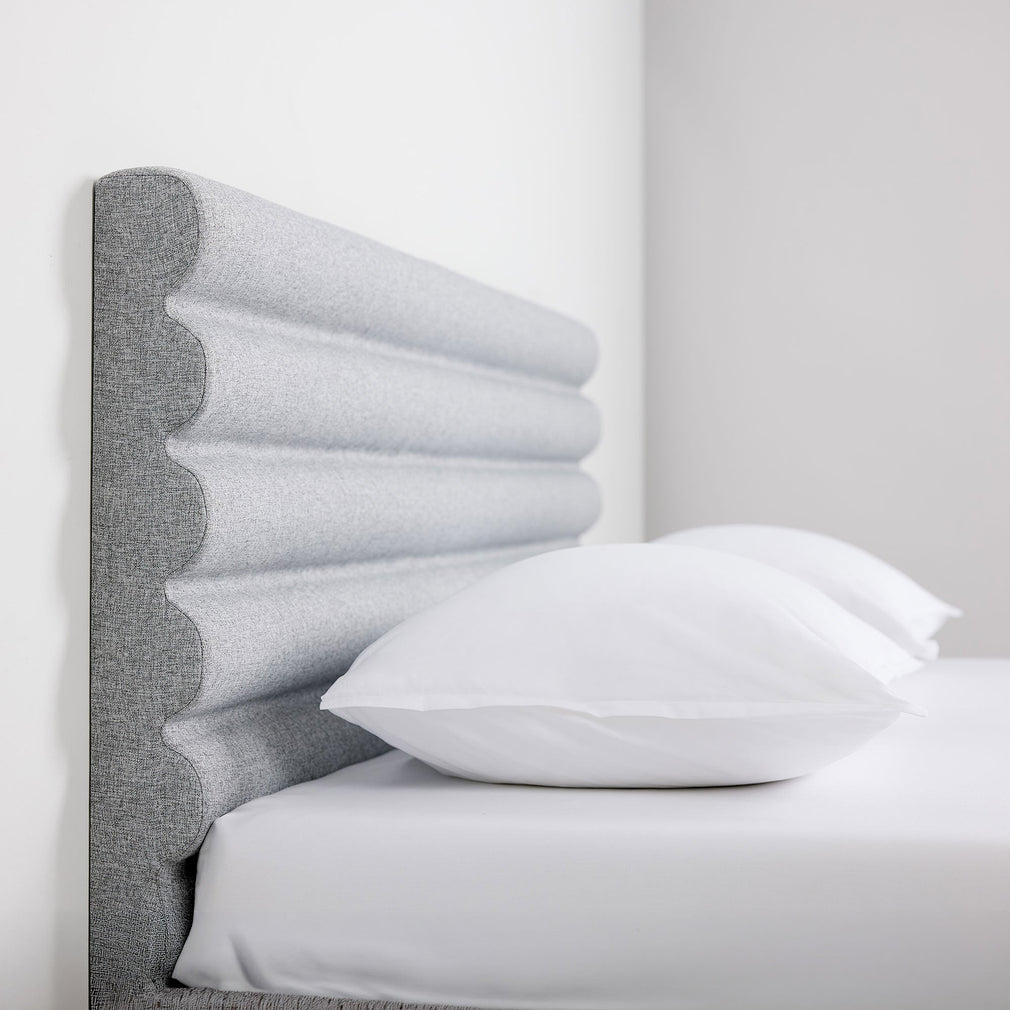
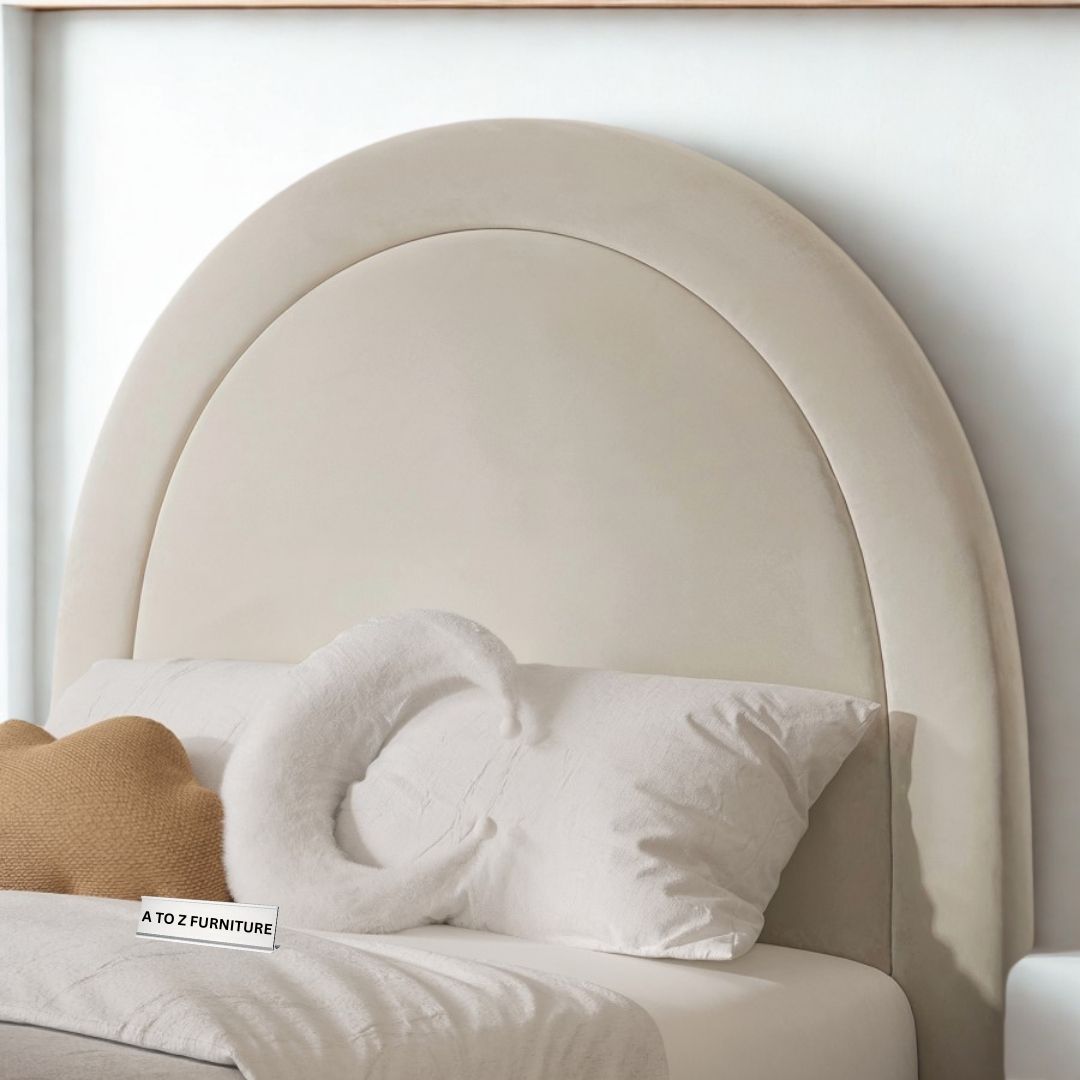
Proper assembly is critical for the stability of an arched structure. Follow this sequence to ensure the frame is built correctly:
Fix squeaks in your wooden bed arc
Wooden bed arc frames are beautiful, but their curved geometry can create unique friction points that lead to noise over time. Unlike standard rectangular frames, the arch distributes weight differently, often stressing the connection between the headboard and the side rails. A squeak usually means wood is rubbing against wood, or a joint has loosened.
To silence the frame, start by tightening every bolt and screw. Use a torque wrench or hand tool to ensure they are snug, but do not overtighten, which can strip the threads or crack the wood. If the noise persists, the issue is likely friction.
Check the center support beam. In arched designs, the middle rail often bears the most weight. If it sags, it will creak against the floor or the frame legs. Add a block of wood or a support leg if necessary. Finally, inspect the headboard connections. Wobble here creates a loud thump or squeak every time you lean back. Tighten these joints firmly to restore stability.
No comments yet. Be the first to share your thoughts!