

Where the wood actually comes from
A wooden bed frame feels natural, but sustainability depends on the harvest and transport. Most people look for FSC or PEFC stamps to verify where the timber came from.
While both aim to promote responsible forestry, they operate differently. FSC is generally considered the more rigorous of the two, requiring stricter standards for forest management and chain of custody tracking. PEFC, conversely, often works with existing national forestry standards, which can vary in their stringency. It’s not that PEFC is inherently bad, but understanding this difference is important when making a purchase. A quick check of the certification body’s website can reveal more about their specific requirements.
Reclaimed wood offers another compelling alternative, diverting usable material from landfills and reducing the demand for newly harvested timber. It often comes with a unique history and character, which many people find appealing. However, sourcing can be tricky; you want to be sure it hasn’t been treated with harmful chemicals. Finally, we’re seeing increased interest in fast-growing, responsibly managed species like bamboo and rubberwood. These can offer a quicker turnaround for replanting and harvesting, but responsible management is still key.
Verifying these claims is difficult. Greenwashing is common, so I usually ask for specific harvest locations or look for third-party audits before buying.
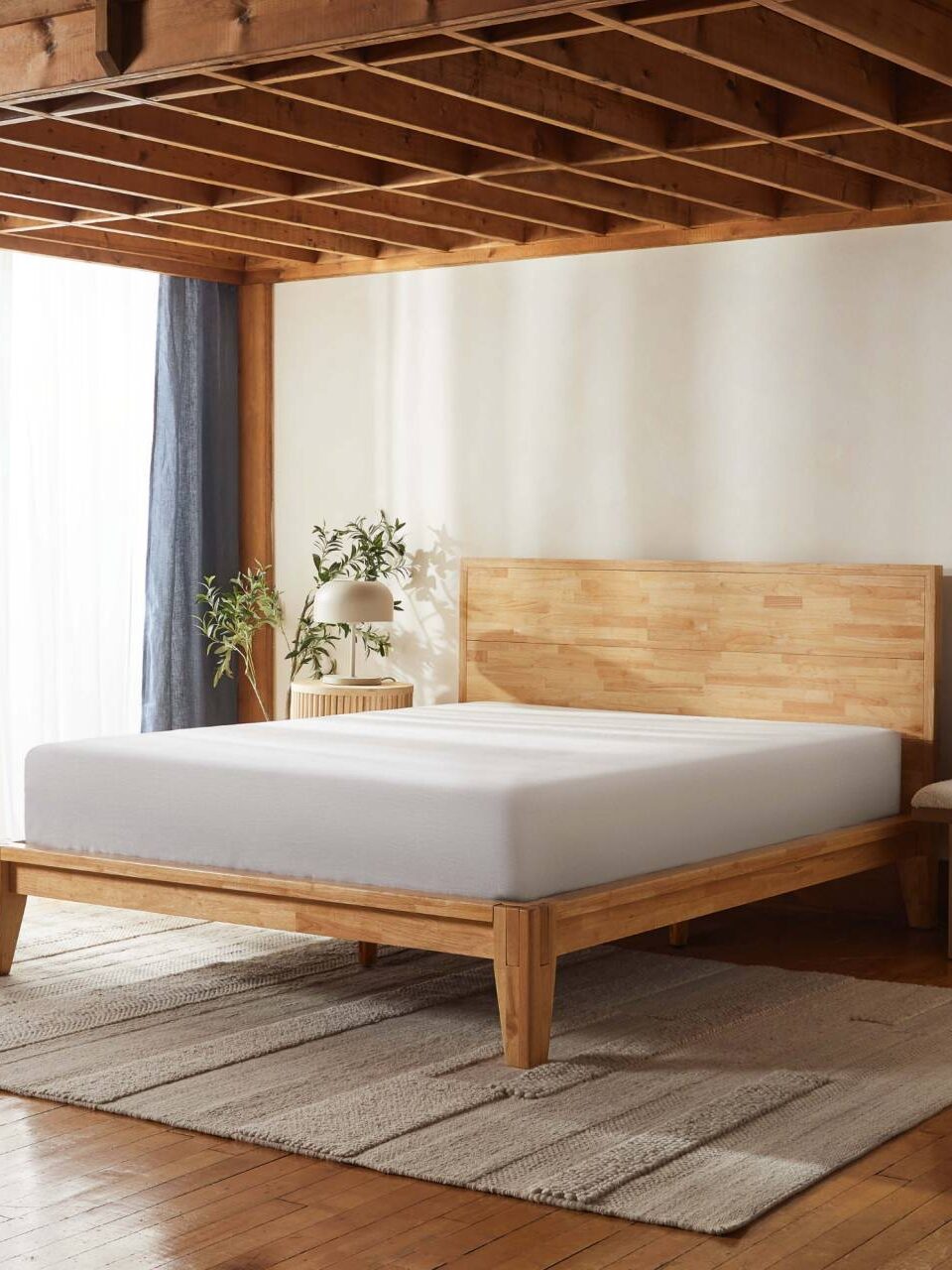
Popular Eco-Wood Choices in 2026
Several wood types are gaining prominence in the sustainable bed frame market. Rubberwood, often a byproduct of rubber tree plantations, is a readily available and relatively affordable option. After the latex is harvested, the trees are often felled, and the wood is repurposed. Acacia is another fast-growing hardwood known for its durability and attractive grain. It's often used in more contemporary designs.
Bamboo, though technically a grass, is incredibly strong and rapidly renewable. It grows much faster than traditional hardwoods, making it a sustainable choice, provided it's harvested responsibly. However, the processing of bamboo into solid wood products can sometimes involve chemicals, so it's important to look for low-VOC finishes. FSC-certified hardwoods, like maple and oak, represent a more traditional approach.
The best wood for your bed frame depends on your preferences and the style you’re aiming for. Softer woods like pine are generally less expensive but may be more prone to dents and scratches, making them suitable for platform beds where the frame isn’t as exposed. Harder woods like oak and maple are more durable and can withstand heavier use, making them ideal for sleigh beds or more ornate designs. Maple has a light, even grain and is excellent for painting, while oak has a more pronounced grain and a warmer tone.
Consider the mattress type too. A heavier innerspring mattress will require a sturdier frame than a lighter latex or foam mattress. Rubberwood and acacia tend to be good all-around choices, offering a balance of durability and affordability. Ultimately, researching the specific properties of each wood and considering your needs is crucial.
- Rubberwood is a byproduct of latex production that stays sturdy without a high price tag.
- Acacia: Fast-growing, strong, attractive grain.
- Bamboo: Rapidly renewable, very strong, requires careful processing.
- Maple: Hard, durable, light grain, good for painting.
- Oak: Hard, durable, pronounced grain, warmer tone.
Comparison of Wood Types for Sustainable Bed Frames (2026)
| Durability | Cost | Grain Pattern | Sustainability Certification Availability | Common Bed Frame Styles |
|---|---|---|---|---|
| Good - resists dents and scratches, moderately strong. | Generally affordable, often a cost-effective hardwood option. | Typically light in color with a subtle, uniform grain. | Forest Stewardship Council (FSC) certification is increasingly available. | Platform beds, panel beds, and simpler designs. |
| Moderate - can be prone to dents but is generally sturdy. | Moderate - often positioned between rubberwood and more premium hardwoods. | Varied, often featuring warm reddish tones and distinctive swirling patterns. | FSC certification is common, and responsible sourcing is often emphasized. | Sleigh beds, poster beds, and mid-century modern styles. |
| Very High - exceptionally strong and durable, known for its resistance to wear. | Higher - generally one of the more expensive hardwood options. | Fine and consistent, with a smooth texture. Can range in color from light to reddish-brown. | FSC certification readily available, and often sourced from well-managed forests. | Traditional panel beds, four-poster beds, and high-quality platform frames. |
| Good - strong and relatively hard-wearing. | Moderate to High - price can vary based on quality and finish. | Generally straight grain, with a consistent texture. Color ranges from pale yellow to reddish-brown. | FSC certification is available, but verifying sustainable sourcing is important. | Shaker-style beds, minimalist platform beds, and contemporary designs. |
| Excellent - one of the strongest and most durable woods available. | High - typically a premium-priced hardwood. | Prominent and attractive grain patterns, varying significantly depending on the oak species (red or white). | FSC certification is widely available, supporting responsible forestry practices. | Rustic beds, traditional panel beds, and statement pieces. |
Illustrative comparison based on the article research brief. Verify current pricing, limits, and product details in the official docs before relying on it.
Glues and finishes
The environmental impact of a wooden bed frame doesn't stop with the wood itself. The finishes and adhesives used can contribute significantly to indoor air pollution and overall environmental harm. Volatile Organic Compounds (VOCs) are emitted by many conventional finishes and adhesives, and can have negative health effects. That’s why choosing low- or no-VOC options is so important.
Water-based polyurethanes are a common alternative to traditional oil-based polyurethanes, offering lower VOC emissions and good durability. Natural oils, like linseed oil and tung oil, and waxes provide a more eco-friendly finish, though they may require more frequent reapplication. These options are often more expensive initially, but they contribute to a healthier indoor environment.
Adhesives are another area of concern. Many conventional wood adhesives contain formaldehyde, a known carcinogen. Look for bed frames that use formaldehyde-free adhesives, or those made with plant-based alternatives. Unfortunately, information on adhesives can be difficult to find; companies aren’t always transparent about their formulations. Checking product certifications and contacting manufacturers directly can help.
Adhesive technology is moving toward bio-based glues, though finding specific brand data remains a challenge for most shoppers.
The reality of carbon-neutral claims
The term "carbon-neutral" is becoming increasingly common in the furniture industry, but it's important to understand what it actually means. A truly carbon-neutral product theoretically has a net-zero carbon footprint – meaning the amount of carbon emitted during its production and lifecycle is offset by an equivalent amount of carbon removed from the atmosphere. This is often achieved through carbon offsetting programs.
These programs typically involve investing in projects that reduce carbon emissions, such as reforestation or renewable energy initiatives. However, the effectiveness of carbon offsetting is often debated. Some argue that it's a "license to pollute’ and doesn"t address the root causes of climate change. A truly sustainable approach focuses on reducing emissions first, rather than relying solely on offsets.
A full life cycle assessment (LCA) is the most accurate way to measure a product’s carbon footprint, but it’s also a complex and expensive process. LCAs consider all stages of a product’s life, from raw material extraction to manufacturing, transportation, use, and end-of-life disposal. Many companies don’t conduct full LCAs, instead relying on estimations or focusing on specific aspects of their operations.
Several brands, like Avocado Green Mattress, are taking steps to reduce their carbon impact through local sourcing, renewable energy use, and sustainable packaging. I'm skeptical of broad claims of carbon neutrality without transparent data and a demonstrated commitment to emissions reduction. It’s crucial to look beyond the marketing hype and assess a company’s actual practices.
Top Sustainable Bed Frame Brands (2026)
Choosing a truly sustainable bed frame can feel overwhelming, but several brands are leading the way. Avocado Green Mattress consistently receives high marks for its commitment to eco-friendly materials and ethical manufacturing. They use FSC-certified wood, organic cotton, and natural latex in their products, and are transparent about their supply chain. Their platform bed frames are a popular choice, ranging in price from $800 to $1500.
Urban Natural Home specializes in handcrafted, USA-made beds using ethically sourced and sustainable materials. They focus on solid wood construction and offer a range of styles, from modern platform beds to more traditional designs. Their prices are higher, typically starting around $2000, reflecting the quality and craftsmanship.
The Good Trade highlights several other noteworthy brands, including Thuma and Medley Home. Thuma’s platform bed is known for its minimalist design and sustainable materials. Medley Home offers a wider range of furniture, including bed frames, made with FSC-certified wood and non-toxic finishes. Prices vary, but generally fall in the $1000-$2500 range.
Floyd is another brand worth considering, known for its modular furniture designed for longevity and easy assembly. They use sustainably sourced birch plywood and offer a lifetime warranty. Their platform bed starts around $600. Finally, consider Sabai Design, which focuses on creating affordable and sustainable furniture using recycled and eco-friendly materials. They offer a range of bed frames, typically priced between $500 and $1000.
Care and Maintenance for Longevity
The most sustainable thing you can do is to make your bed frame last. Regular care and maintenance will significantly extend its lifespan. Dust your wooden bed frame regularly with a soft cloth to prevent buildup. Avoid using harsh chemicals or abrasive cleaners, which can damage the finish.
Periodically oiling the wood can help to prevent it from drying out and cracking. Use a natural oil, like linseed oil or tung oil, and apply it sparingly with a clean cloth. If your bed frame has a solid wood surface, you can also apply a natural wax polish to help protect it.
Minor scratches and dents can often be repaired with wood filler and touch-up paint or stain. If a joint becomes loose, you can tighten it with wood glue and clamps. When the time finally comes to dispose of your bed frame, don’t just throw it away. Explore recycling options or donate it to a local charity.
Disassembling a wooden bed frame can be tricky, so take your time and keep track of all the hardware. Properly disposing of old hardware is also important; check with your local recycling center to see if they accept it.

No comments yet. Be the first to share your thoughts!