

The reality of bed frame wear
Bed frames take a beating every night. Eventually, joints loosen or wood splits. You don't always need to buy a new one when it starts to fail, but you do need to know when a quick fix is safe and when the frame is trash.
The types of issues you’ll encounter depend heavily on the frame’s construction. Wooden frames are prone to cracking and joint separation, while metal frames can suffer from rust and bent supports. Platform beds, often simpler in design, typically experience issues with slat breakage or center support failure. Knowing your frame's material is the first step to understanding its potential weaknesses.
Most bed frame problems are DIY-able, at least initially. Tightening bolts, lubricating joints, and replacing slats are all tasks a reasonably handy person can tackle. However, more serious structural damage might require professional attention. I want to be upfront: some frames are simply beyond saving, and attempting a repair could be more dangerous than replacing it altogether. It’s about knowing your limits and prioritizing safety.
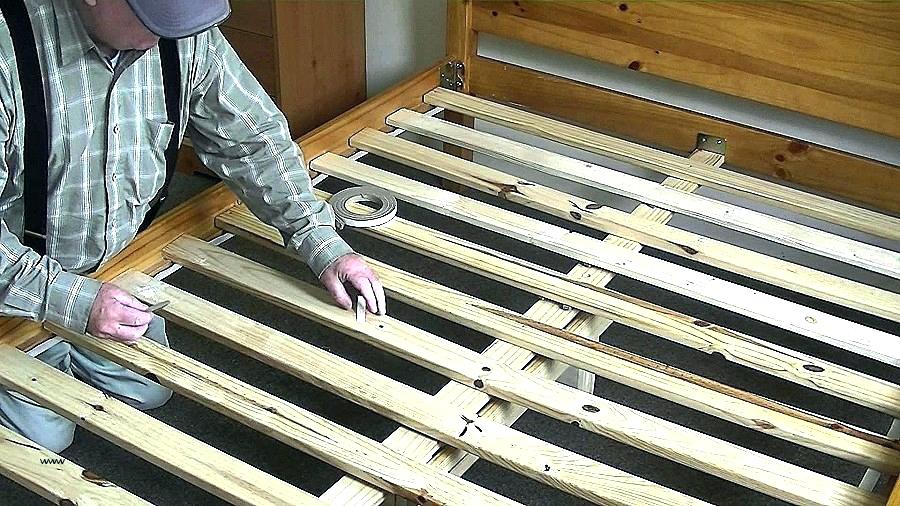
How to silence a squeaky frame
That infuriating squeak is the most common bed frame complaint. It’s rarely a single source, which makes pinpointing it tricky. Squeaks usually come from friction – wood rubbing against wood, metal on metal, or the mattress itself shifting against the frame.
Common squeak locations include where the slats meet the side rails, at the joints where the headboard and footboard connect, and where the frame makes contact with the mattress. To diagnose, start by systematically applying pressure to different areas of the frame while someone else listens. Have a friend sit on various spots, and gently rock the headboard and footboard. This will help isolate the source.
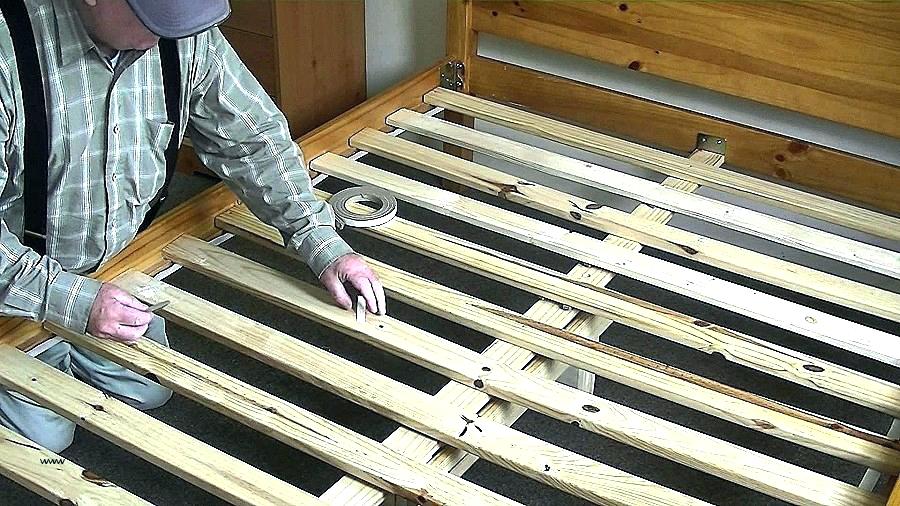
Tighten every bolt first. If the noise persists in wood joints, use silicone spray. I avoid WD-40 because it gets gummy and attracts dust over time. If the friction is between the frame and the mattress, stick some adhesive felt pads on the contact points. Also, move the mattress to the floor and jump on it—sometimes the squeak is in the springs, not the wood.
If the squeak persists, consider using shims to eliminate any movement between the frame and the floor, or between the slats and the frame. A little bit of strategic padding can make a huge difference.
- Silicone spray for wood joints to avoid dust buildup.
- Felt pads to stop friction at contact points.
- Shims: Useful for eliminating movement and leveling.
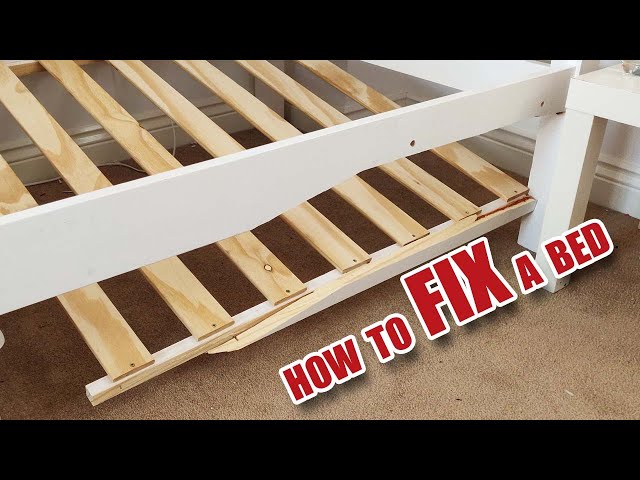
Fixing or replacing broken slats
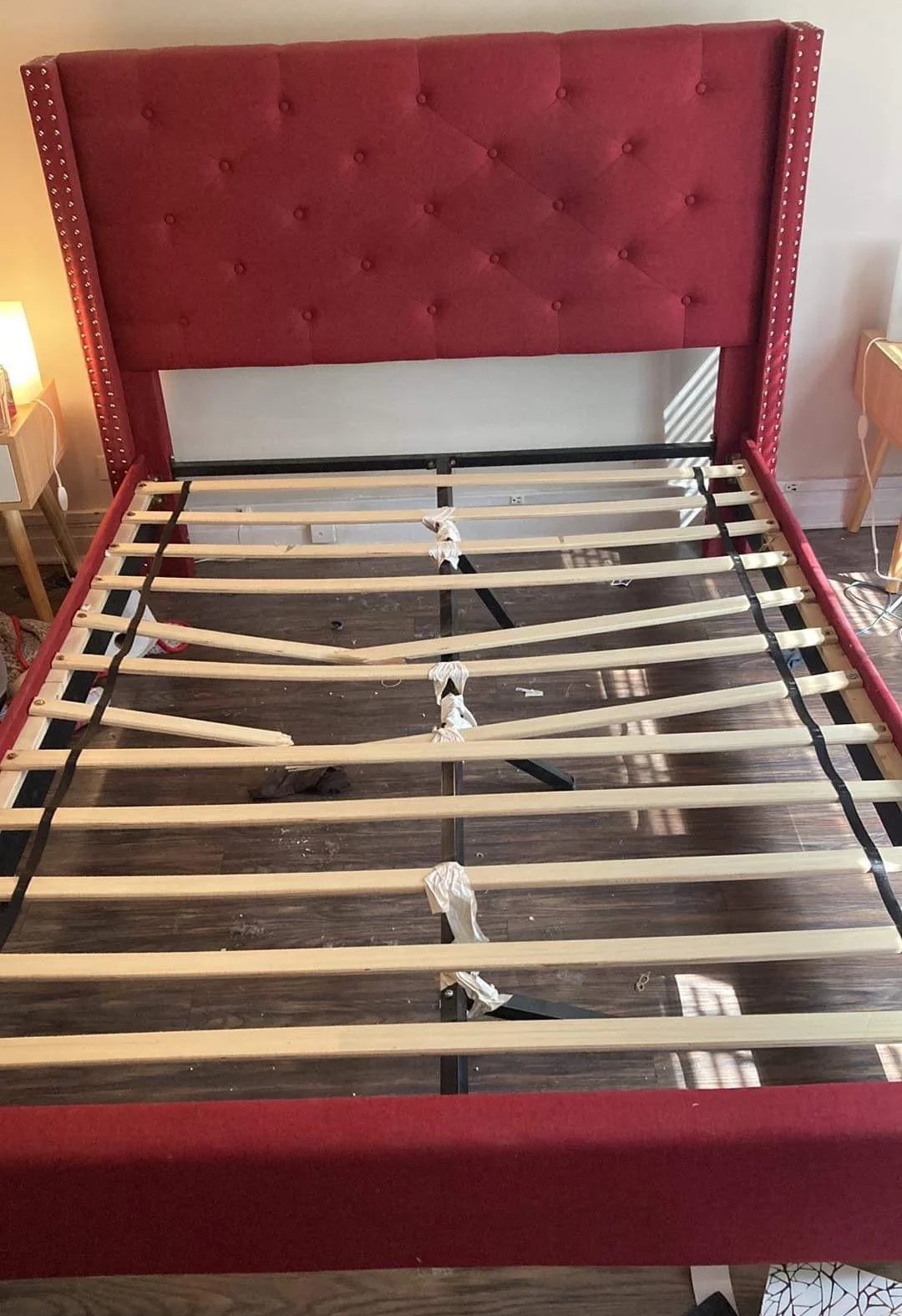
Slats are essential for supporting the mattress and distributing weight evenly. Broken or missing slats can lead to mattress sagging and an uncomfortable sleep experience. Slats come in different materials, typically wood or metal, and the repair approach depends on the material.
For wooden slats, a simple crack can often be repaired with wood glue and clamps. Apply glue generously to the crack, clamp the slat securely, and allow it to dry completely – usually 24 hours. However, if the slat is completely broken or severely damaged, replacement is the better option. Metal slats, on the other hand, might require welding, but that's a skill most people don’t have.
Sourcing replacement slats is relatively easy. You can find universal replacement slats online or at most hardware stores. The key is to match the wood type and finish as closely as possible for aesthetic consistency. Don’t overlook the center support leg – if your frame has one, ensure it’s properly positioned and providing adequate support. A failing center support can put extra stress on the slats.
Repairing cracked rails
Cracked wooden rails are a common problem, especially in older bed frames. These cracks often occur due to stress and wear, or from improper assembly. Small cracks can sometimes be addressed with wood glue and clamps, similar to repairing broken slats. Apply glue, clamp firmly, and let it dry completely.
For larger cracks, consider using wood screws and reinforcing plates to provide additional support. Drill pilot holes to prevent splitting the wood, then drive the screws in securely. Epoxy wood filler can also be used to fill larger gaps and create a more stable repair. Deer Park Home & Shop has a helpful video demonstrating how to repair a cracked bed rail in place: https://www.youtube.com/watch?v=O-I9w-K9X5w.
Check how deep the split goes. If the wood is splintered all the way through the main support rail, stop. A snapped rail can drop the mattress to the floor mid-sleep. If the wood looks like it's crumbling, just replace the part.
Stabilizing a wobbly bed
A wobbly bed frame is not only annoying, but it can also be a safety hazard. The most common causes are uneven floors, loose connections, or missing hardware. Identifying the source of the wobble is the first step to fixing it.
Leveling the frame is often the simplest solution. Use shims under the legs to compensate for uneven floors. You can use wood shims, plastic shims, or even folded cardboard. Place the shims under the legs that are lifting off the floor. Tighten any loose bolts or screws you find – a wobbly frame often means connections have come loose.
If the wobble persists after leveling and tightening, check the frame’s overall squareness. Use a measuring tape to measure the diagonals of the frame. If the measurements are different, the frame is not square and needs to be adjusted. Sometimes, the issue isn’t the frame itself, but the floor. Check if the floor is level using a level – you might need to address the floor itself.
- Check for uneven floors with a level.
- Tighten all connections: Bolts, screws, and joints.
- Use shims: To level the frame on uneven surfaces.
Stopping rust on metal frames
Metal bed frames are known for their durability, but they’re susceptible to rust, especially in humid environments. Rust forms when iron reacts with oxygen and moisture. This can weaken the frame over time and compromise its structural integrity.
Removing rust involves a bit of elbow grease. Start by using a wire brush or sandpaper to remove loose rust flakes. For more stubborn rust, consider using a rust converter, which chemically transforms the rust into a stable compound. Always follow the manufacturer’s instructions carefully when using rust converters.
Preventing rust is easier than treating it. Regularly clean your metal frame with a damp cloth and mild detergent. After cleaning, apply a protective coating like paint or wax to create a barrier against moisture. Heavily rusted frames might be beyond repair – the metal could be too weakened to safely support a mattress and occupants. In those cases, replacement is the only sensible solution.
When to call a pro
While many bed frame problems can be tackled as DIY projects, some situations require professional help. If you’re dealing with severe structural damage, complex welding repairs, or have concerns about the frame’s safety, it’s best to call in an expert.
Professional bed frame repair can be costly, but it might be more affordable than replacing the entire frame. However, in some cases, replacement is the more practical option. I'm not sure about precise average repair costs, but resources like Angi (https://www.angi.com/) can help you find qualified repair services in your area and get quotes.
No comments yet. Be the first to share your thoughts!