

Beyond Counting Sheep: The Rise of Smart Beds
Adjustable bed bases used to be the extent of sleep technology, mostly for reading in bed. Now, beds actively monitor and respond to sleep patterns using sensors, AI, and connectivity.
Cheaper sensors now make detailed sleep tracking possible outside of clinical studies, right in your bedroom. Growing consumer interest in tracking personal health data has fueled demand for smart beds.
People are actively seeking better sleep and investing in technology that promises it. Smart beds are now seen as tools for health and well-being, not just comfort.
More companies are entering the smart bed market, pushing innovation. If you want to understand and optimize your sleep, now is a good time to consider a smart bed for proactive sleep health.
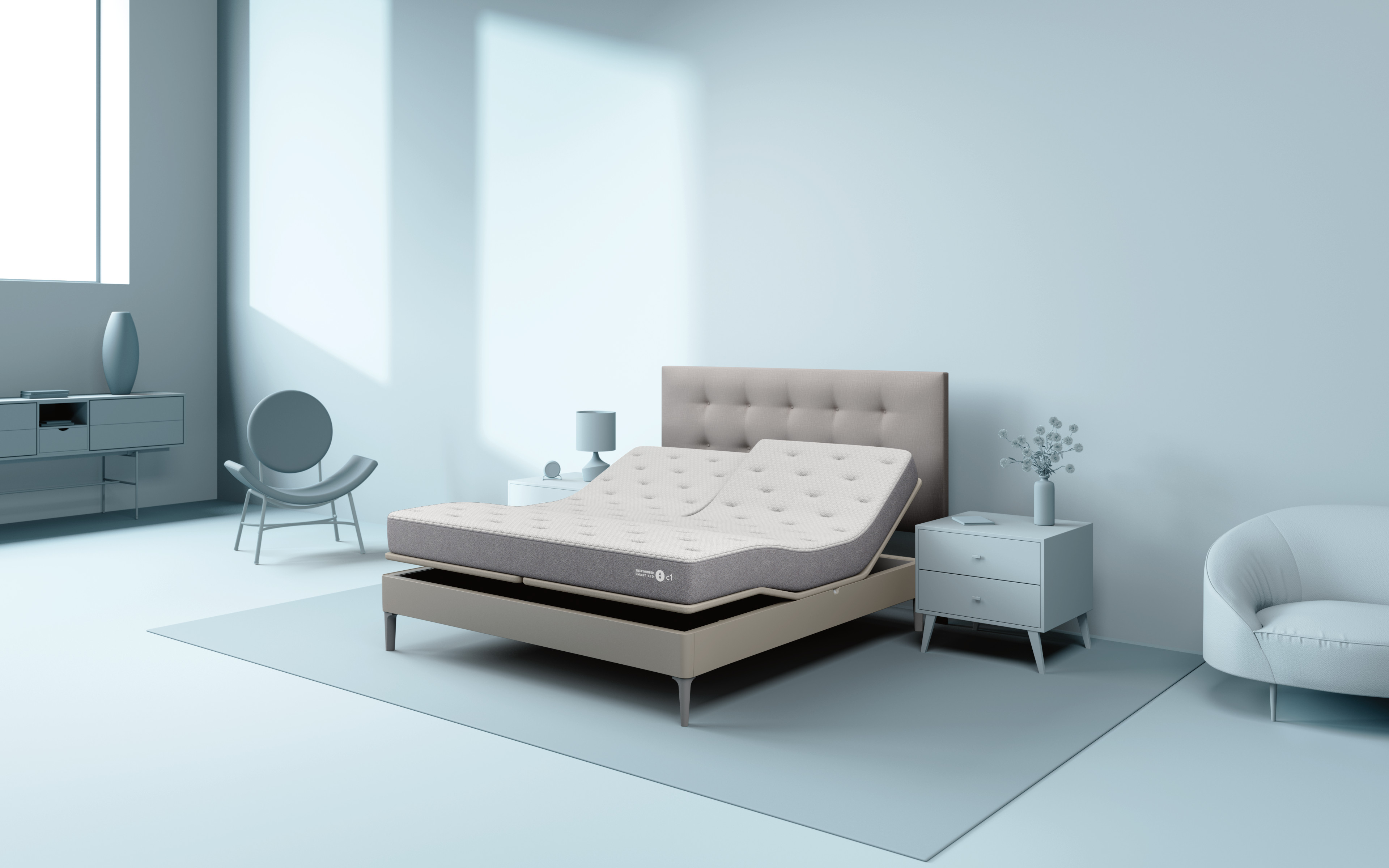
Core Technologies: What’s Inside a Smart Bed?
Smart beds combine multiple technologies. Most use sensors to track heart rate, respiration, and movement. Some use ballistocardiography to measure subtle body movements from heartbeats for more detailed analysis.
Automatic adjustments are common, including adjustable firmness via air chambers or support zones, and dual-zone temperature control for individual preferences.
Most smart beds connect via Wi-Fi to sync data with a companion app. Bluetooth is also used for direct connections, and some models integrate with voice assistants.
Sensors collect sleep data, which is processed by the bed's software and shown in an app. The bed can then adjust settings like firmness or temperature based on your patterns and preferences for a personalized sleep experience.
- Sleep Tracking Sensors: Monitor heart rate, respiration, and movement.
- Automatic Adjustment: Adjusts firmness, temperature, and support zones.
- Integrated Sound Systems: Some beds include built-in speakers for soundscapes or white noise.
- Connectivity (Wi-Fi & Bluetooth): Enables data syncing and integration with other devices.
Common Smart Bed Sensors
- Heart Rate Variability (HRV) - Measures the variation in time between each heartbeat. Lower HRV is often associated with stress, illness, or overtraining, while higher HRV generally indicates better cardiovascular fitness and resilience, impacting sleep quality.
- Sleep Stages - Tracks the different phases of sleep (light, deep, REM) throughout the night. Understanding sleep stage distribution helps assess if you're getting enough restorative deep sleep and sufficient REM for cognitive function.
- Respiratory Rate - Monitors the number of breaths you take per minute. Changes in respiratory rate during sleep can be indicative of sleep apnea or other breathing disturbances.
- Movement Tracking - Detects tossing and turning, as well as overall sleep restlessness. Excessive movement can disrupt sleep cycles and suggest discomfort or underlying sleep issues.
- Ambient Noise Sensors - Records the sound levels in the bedroom. High noise levels can interfere with sleep onset and quality, even if you don’t consciously wake up.
- Temperature Sensors - Measures the temperature of your sleep environment. Maintaining an optimal bedroom temperature (typically between 60-67°F) is crucial for falling and staying asleep.
- Humidity Sensors - Tracks the level of moisture in the air. Optimal humidity levels (between 30-50%) can prevent dryness and discomfort that may disrupt sleep.
Leading Smart Bed Models: A 2026 Snapshot
Sleep Number is a major player, known for adjustable firmness and sleep tracking. Their i10 model, refined by 2026, ranges from $2,500 to $4,000 and offers precise sleep surface control.
Eight Sleep’s Pod 3 Cover adds temperature regulation and sleep tracking to an existing mattress for around $2,049 (late 2023 pricing). It's an option for those not ready for a full smart bed, with improving data analytics and health app integration.
Bryte Bed offers active temperature regulation, dynamic pressure relief, and AI sleep coaching for over $5,000, targeting users focused on advanced sleep optimization and health benefits.
ReST Bed provides personalized sleep support and data analysis using sensors and adjustable air chambers, starting around $3,500. It suits those wanting a responsive, adaptable bed.
Prices vary, and new models are constantly released. By 2026, expect more features and competition, potentially lowering costs.
Smart Bed Frame Comparison - 2026
| Brand | Model | Key Differentiating Features | Approximate Price Range | Target User |
|---|---|---|---|---|
| Sleep Number | i8 Smart Bed | Integrated air chamber adjustment for personalized firmness on each side. Focus on sleep data analysis and coaching via the SleepIQ platform. Known for responsive support. | $4,000 - $8,000+ | Couples with differing firmness preferences, data-driven sleepers |
| Eight Sleep | Pod 3 Cover | Active cooling and heating with water circulation. Tracks sleep stages, heart rate variability, and respiratory rate. Works with existing bed frames via a mattress cover. | $2,000 - $3,000 | Hot sleepers, those seeking detailed sleep tracking and temperature regulation |
| ReST Bed | ReST Easy 3.0 | Full body pressure mapping and independent adjustability across multiple zones. Offers personalized support and automatic adjustments based on sleep position. Focus on medical-grade sleep solutions. | $6,000 - $15,000+ | Individuals with back pain, those seeking advanced pressure relief and personalized support |
| Bryght | Bryght Bed | Automated sleep position adjustment to reduce snoring and improve breathing. Uses sensors to detect snoring and gently adjusts the head of the bed. | $3,000 - $6,000 | Snoring sufferers, those seeking solutions for mild sleep apnea |
| Moonbeam | 3.0 Smart Bed | Combines sleep tracking, temperature regulation, and gentle wake-up features. Offers integration with smart home ecosystems. | $3,500 - $7,500 | Tech-savvy individuals, those seeking a comprehensive smart sleep experience |
| Avocado | Avocado Green Mattress Smart Edition | Organic and sustainable materials combined with sleep tracking and gentle wake-up features. Focus on eco-conscious consumers. | $3,000 - $5,000 | Eco-conscious consumers, those seeking a natural and smart sleep solution |
Illustrative comparison based on the article research brief. Verify current pricing, limits, and product details in the official docs before relying on it.
Data Privacy and Security: A Critical Consideration
Smart beds collect sensitive physiological data, raising privacy concerns. Ensure data is encrypted in transit and at rest.
Review the privacy policy to understand data collection, usage, and sharing. Avoid companies that sell data and know your rights for data access and deletion.
Data breaches are a risk. Look for beds with robust security like two-factor authentication and regular updates, and consider the company's security track record.
While regulations like GDPR offer some protection, be proactive. Use strong passwords, keep software updated, and manage app permissions.
- Review the Privacy Policy: Understand what data is collected and how it’s used.
- Check for Data Encryption: Ensure your sleep data is encrypted.
- Look for Security Features: Two-factor authentication and regular updates are crucial.
- Be Aware of Data Sharing: Avoid companies that sell your data to third parties.
Beyond the Bed: Smart Bedroom Ecosystems
Integrating smart beds with other smart home devices creates a personalized sleep environment. For example, your bed could adjust the thermostat or dim lights to signal bedtime.
Compatibility with platforms like Apple HomeKit, Google Home, and Amazon Alexa is key for voice or app control. For instance, saying “Alexa, start my bedtime routine” could adjust your bed, lights, and thermostat.
Smart beds integrate with sleep apps for comprehensive data views, personalized insights, and coaching. Some apps can share data with doctors for informed healthcare decisions.
This interconnectedness extends beyond simple automation. Some systems use biometric data from your bed to trigger actions in other devices. For example, if your bed detects that you’re in a light sleep stage, it might slightly adjust the volume of your white noise machine to help you stay asleep. It's about creating a dynamic, responsive sleep environment.

Troubleshooting and Maintenance: Keeping Your Bed Smart
Like any technology, smart beds can experience occasional glitches. Connectivity problems are common, so make sure your Wi-Fi network is stable and that the bed is within range. Resetting the bed and your router can often resolve these issues. Sensor malfunctions are less frequent, but if you suspect a problem, contact the manufacturer's customer support.
Software glitches can sometimes occur, especially after updates. Check for firmware updates regularly, as these often include bug fixes and performance improvements. If an update causes problems, you may be able to revert to a previous version. Consult the bed’s manual or the manufacturer’s website for instructions.
Cleaning and maintenance are essential for longevity. Follow the manufacturer’s recommendations for cleaning the mattress and any electronic components. Avoid using harsh chemicals or abrasive cleaners. Regularly inspect the bed for any signs of wear and tear.
Most smart beds come with a warranty, typically ranging from one to five years. Familiarize yourself with the terms of the warranty and keep your proof of purchase. Customer support options vary by manufacturer, but most offer phone, email, and online chat support.
- Connectivity Issues: Reset the bed and your router.
- Sensor Malfunctions: Contact customer support.
- Software Glitches: Check for firmware updates.
- Regular Cleaning: Follow manufacturer’s instructions.
The Future of Sleep Tech: What to Expect
The future of smart bed technology is likely to be driven by advancements in artificial intelligence and biometric feedback loops. We can expect to see more sophisticated AI-powered sleep coaching, offering personalized recommendations based on your individual sleep data. These systems will be able to adapt to your changing needs and preferences over time.
Biometric feedback loops will allow the bed to respond in real-time to your physiological state. For example, the bed might automatically adjust the temperature or firmness based on your heart rate variability or brainwave activity. This level of responsiveness will create a truly personalized sleep experience.
Integration with telehealth services is another likely trend. Your sleep data could be securely shared with your doctor, allowing for remote monitoring and early detection of sleep disorders. This could lead to more proactive and personalized healthcare interventions.
We’re also likely to see advancements in sensor technology and materials. More accurate and unobtrusive sensors will provide a more detailed picture of your sleep patterns. New materials will offer improved comfort, temperature regulation, and durability. It’s a space ripe for innovation.
- AI-Powered Sleep Coaching: Personalized recommendations based on sleep data.
- Biometric Feedback Loops: Real-time adjustments based on physiological state.
- Telehealth Integration: Secure data sharing with healthcare providers.
- Advanced Sensor Technology: More accurate and unobtrusive monitoring.
Smart Beds and Health: A Growing Connection
The potential health benefits of using a smart bed are significant. Improved sleep quality can lead to reduced stress, enhanced cognitive function, and a stronger immune system. By tracking your sleep patterns, you can identify potential problems and take steps to address them.
The data collected by smart beds can be used to personalize sleep interventions. For example, if the bed detects that you’re consistently waking up during a certain sleep stage, it might recommend adjusting your bedtime or reducing your caffeine intake. These small changes can have a big impact on your overall sleep quality.
Smart beds may also play a role in the early detection of sleep disorders, such as sleep apnea and insomnia. By monitoring your breathing patterns and heart rate, the bed can identify potential warning signs and alert you to seek medical attention. It’s important to remember that a smart bed is not a substitute for a medical diagnosis.
Healthcare professionals are increasingly recognizing the importance of sleep data in assessing overall health. Your sleep data can provide valuable insights into your physical and mental well-being. However, it’s crucial to consult with a doctor to interpret your sleep data and receive personalized guidance.


No comments yet. Be the first to share your thoughts!