

Why frame choice matters for sleep quality
Your wooden bed frame is the foundation for every piece of sleep technology you own. A smart mattress, a sleep tracker, or a white noise machine cannot compensate for a frame that wobbles or squeaks. Stability is the primary factor that determines whether your sleep tech data is accurate and whether your rest remains uninterrupted.
When a frame lacks rigidity, even the slightest movement creates friction between joints and slats. This noise acts as a micro-awakening, pulling you out of deep sleep cycles before your wearable devices can even register the disturbance. For sleep tech to function correctly, the physical environment must be static enough to allow sensors to detect subtle physiological changes without interference from structural instability.
Choosing a frame with proper joinery and adequate support slats ensures that your investment in sleep technology is not undermined by poor craftsmanship. The wood must hold its shape under load, preventing the sagging that misaligns posture and renders tracking data unreliable. Prioritizing structural integrity over aesthetics is the first step in building a sleep environment that actually supports modern rest.
Check mattress compatibility first
Your wooden bed frame is the foundation for your sleep tech, but it must physically support your specific mattress type. A mismatch here can void warranties, cause sagging, or interfere with adjustable base mechanics. Before you shop, pull up your mattress specifications and verify the frame’s support requirements.
Match the support style to your mattress
Different mattresses need different support structures to maintain their integrity and your sleep quality.
- Memory foam and latex: These solid, heavy mattresses require a solid platform or closely spaced slats (no more than 3 inches apart). Wide gaps allow foam to sink, creating uncomfortable hammocking and accelerating wear.
- Innerspring: These generally need a sturdy foundation with moderate spacing. However, if your innerspring model is heavy or features zoned support layers, treat it like a foam mattress and opt for closer slats.
- Hybrid: Combining coils with foam layers makes hybrids dense. They almost always require a solid platform or very tight slat spacing to prevent the foam layers from compressing unevenly.
- Adjustable bases: If you plan to use an electric adjustable base, your wooden frame must have a low-profile design and open sides to accommodate the motorized mechanism. Standard box-spring frames will not work.
Verify weight limits and dimensions
Wooden frames vary significantly in load capacity. A lightweight pine frame might bow under the weight of a King-sized hybrid mattress plus two sleepers. Check the frame’s maximum weight rating and ensure it exceeds the combined weight of your mattress and sleepers by at least 20% for long-term durability.
Also, measure your mattress width and length precisely. Some modern "oversized" mattresses run slightly larger than standard dimensions. A frame that is even half an inch too small will leave your mattress hanging over the edge, creating a safety hazard and damaging the mattress edges.
Compare wood types for durability
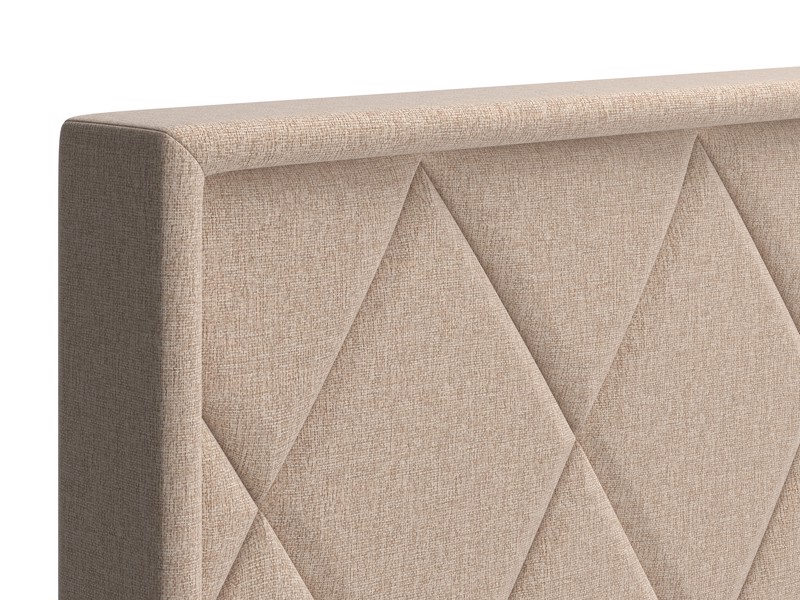
Choosing the right wood for a bed frame comes down to two factors: longevity and load-bearing capacity. Hardwoods like oak and maple are denser and resist wear far better than softwoods like pine. This density matters because modern sleep tech—smart mattresses, adjustable bases, and heavy sensor arrays—adds significant weight and vibration to the frame.
Oak and maple frames offer superior structural integrity. They resist sagging over time and can support the dynamic loads of motorized bases without creaking. Pine is lighter and more affordable but prone to dents and wear, especially at joint points where stress concentrates.
The table below compares common wood types based on durability metrics and typical price ranges.
| Wood Type | Durability | Load Capacity | Price Range |
|---|---|---|---|
| Oak | High | Excellent | $$$ |
| Maple | High | Excellent | $$$ |
| Pine | Low | Good | $ |
| Birch | Medium | Very Good | $$ |
Inspect Joint Construction and Support
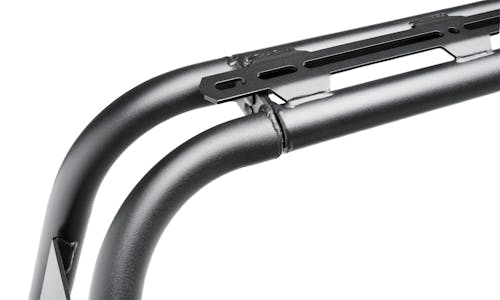
A wooden bed frame is only as reliable as its physical connections. Before you commit to a model, check how the pieces lock together. Loose joints create the shifting and creaking that disrupts sleep, especially when paired with modern sleep tech sensors or adjustable bases.
Look for mortise-and-tenon joints or thick metal brackets at the corners. These are the primary anchors holding the frame together. Avoid frames that rely solely on small screws or thin dowels, which can strip or pull apart under the weight of a mattress and sleeper. The connection should feel rigid with no wobble when you apply pressure.
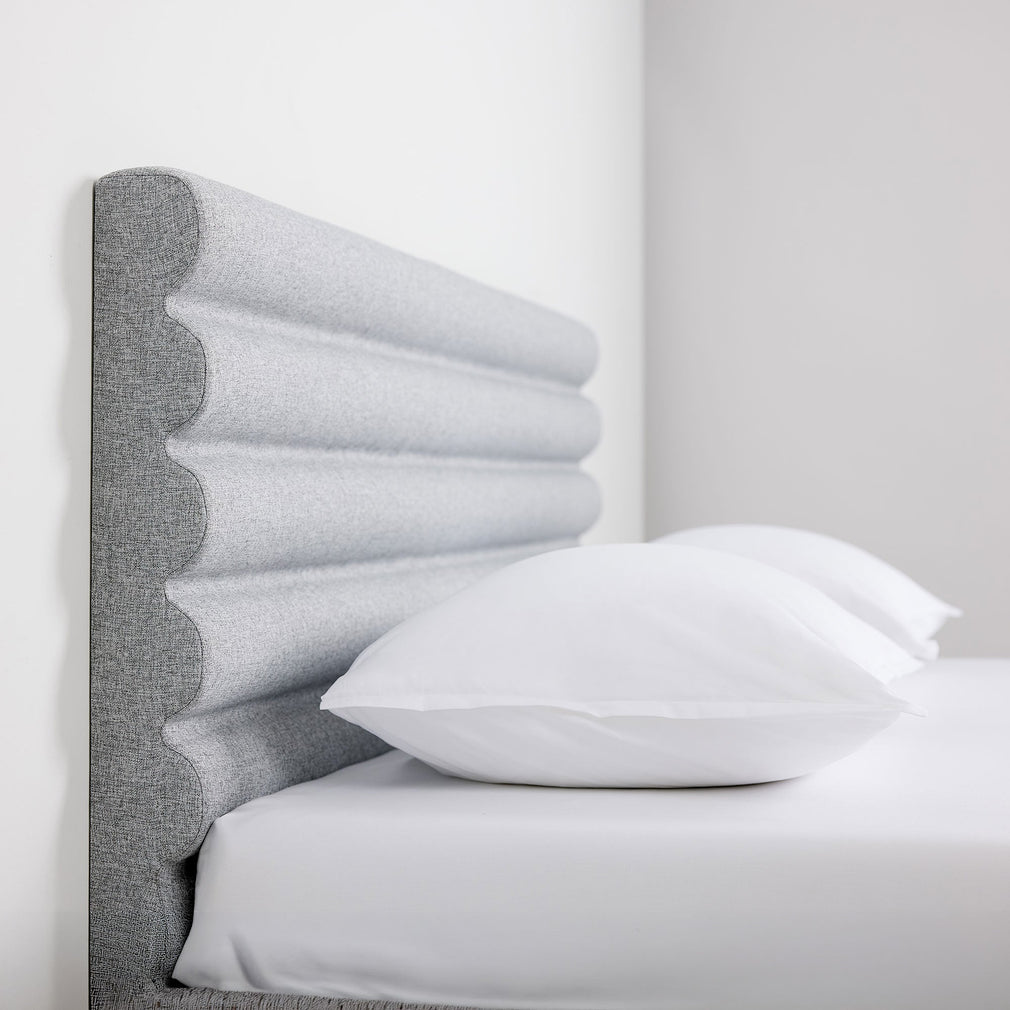
Slats must be spaced no more than three inches apart to support memory foam or latex mattresses properly. Wide gaps cause the mattress to sag into the voids, leading to uneven wear and poor spinal alignment. Check that the slats themselves are at least 0.75 inches thick; thinner slats can snap under heavy loads or cause the bed to groan during movement.

For any queen-sized bed or larger, a center support leg is non-negotiable. This leg transfers weight from the middle of the frame directly to the floor, preventing the slats from bowing in the center. Ensure the leg is adjustable so it can be leveled on uneven floors. A frame without this support will eventually sag, damaging both the frame and your mattress.
Proper inspection takes less than five minutes but prevents years of maintenance issues. If the frame feels light or flimsy in the store, it will likely fail within a year of daily use. Prioritize solid hardwoods like oak or maple over softwoods like pine for long-term durability.
Measure your room and clearance needs
Before committing to a wooden bed frame, treat your bedroom as a three-dimensional puzzle. Modern sleep tech often adds bulk—think adjustable bases, smart mattresses, or integrated charging hubs—so the physical footprint matters more than ever. A frame that fits the floor plan might still fail the clearance test, leaving you with a bed that is impossible to make or maintain.
Start by mapping the exact dimensions of your sleeping area. Measure the length and width, then subtract at least 24 inches (60 cm) from each side to allow for walking space. This margin is non-negotiable if you plan to place a smart humidifier or air purifier nearby, as these devices require unobstructed airflow to function correctly. If your room is tight, consider a platform bed with a low profile to maximize floor space for other technology.
Pay close attention to vertical clearance, especially if you choose a frame with a tall headboard or a high footboard. A tall headboard can block wall-mounted monitors or sensors, while a high footboard might interfere with ceiling fans or overhead lighting. Additionally, measure the height of your doorways and hallways. Many wooden frames are sold in pieces, but some are assembled on-site and may not fit through narrow turns if the headboard is too wide.
Finally, account for under-bed storage if you rely on it. If you plan to store extra smart home hubs, bedding, or seasonal gear underneath, ensure the frame offers sufficient height. A clearance of at least 12 inches (30 cm) is ideal for sliding in storage bins, but verify that this space doesn’t block air vents or robot vacuum cleaners if you use one. Always double-check these measurements before purchasing to avoid the hassle of returns or a cramped, inefficient sleep environment.
Final checklist for buying a wooden bed frame
Before you complete the purchase, run through this quick verification list. It ensures your new wooden bed frame supports your sleep tech setup and fits your room without hidden surprises.

- Measure twice: Verify the frame’s external dimensions against your bedroom floor plan. Leave at least 24 inches of clearance around the bed for walking and for placing smart devices like charging stations or air purifiers.
- Check mattress compatibility: Ensure the slat spacing is no wider than 3 inches to support memory foam or hybrid mattresses. Wide gaps can cause sagging and void your mattress warranty.
- Inspect joint strength: Look for solid wood joinery like mortise-and-tenon or reinforced corner blocks. Avoid frames that rely solely on screws or thin particleboard, which can wobble under the weight of modern sleep tech.
- Verify weight capacity: Confirm the frame’s max load exceeds your body weight plus the mattress weight. A sturdy frame prevents noise that can disrupt sleep tracking data or disturb a partner.
- Review return policies: Ensure the retailer offers a hassle-free return window in case the wood finish doesn’t match your home’s aesthetic or the frame arrives damaged.
Common questions about wooden bed frames
Wooden bed frames are a long-term investment in your sleep setup, but they require specific care to support modern sleep technology like smart mattresses and adjustable bases. Here are the most practical questions about assembly, maintenance, and longevity.
No comments yet. Be the first to share your thoughts!