

10 Fix Your Squeaky Wooden Bed Frame in 10 Minutes: 2026 Expert Solutions
Stop the noise by targeting friction points between wooden joints and slats. These expert-verified tools and materials provide immediate stability without requiring a full bed disassembly.
1. Tighten loose bolts
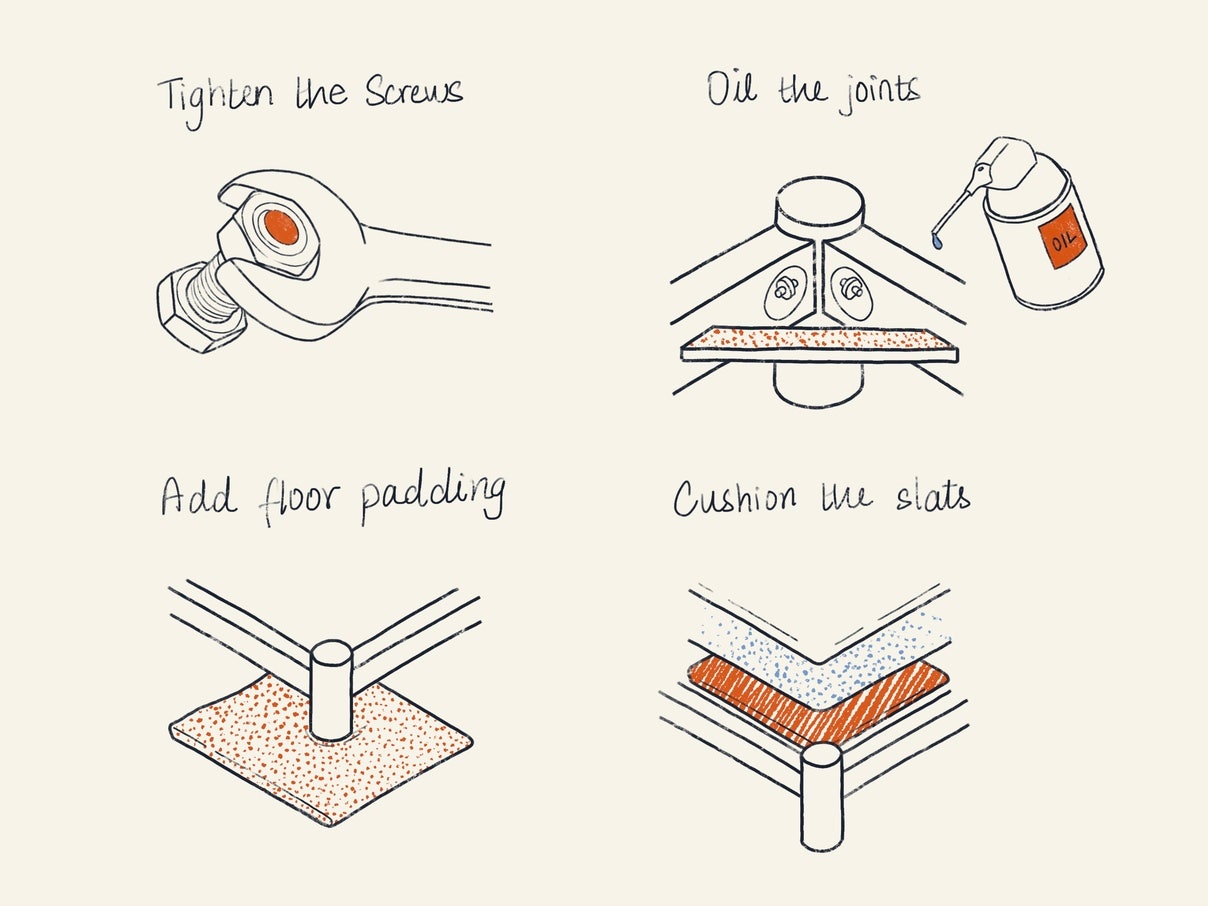
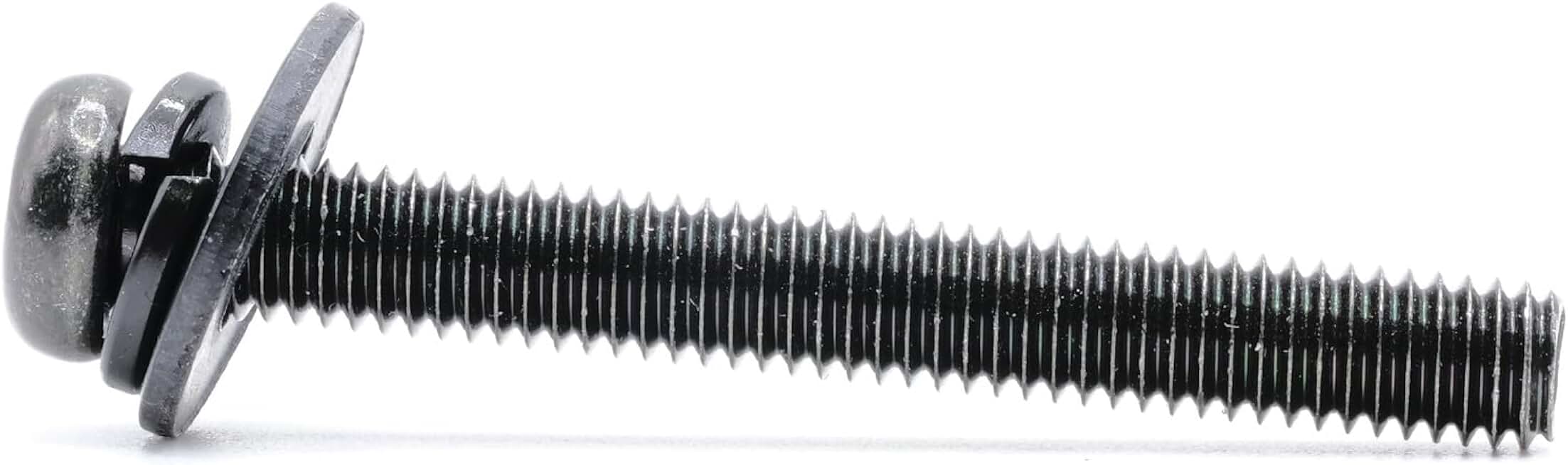
Check every connection point using a hex key or screwdriver. Over time, vibrations from movement loosen the hardware, creating gaps where wood rubs against metal. Tighten each bolt until snug, but avoid over-tightening, which can strip the threads or crack the wooden frame. This is the fastest way to eliminate structural shifting.
2. Apply paraffin wax to joints
Rub a clear paraffin wax candle or a beeswax stick directly into the joints where wooden rails meet. The wax acts as a dry lubricant, reducing the friction that causes high-pitched squeaks. Unlike oils, wax does not attract dust or stain your mattress, making it a clean solution for tight-fitting interlocking joints.
3. Install rubber washers
Place heavy-duty rubber washers between the bolt head and the wooden frame. These act as gaskets that absorb vibration and prevent the metal hardware from grinding against the wood. Pro Tip Use neoprene washers for maximum durability, as they resist compression better than standard plastic alternatives over long-term use.
4. Use felt padding on slats
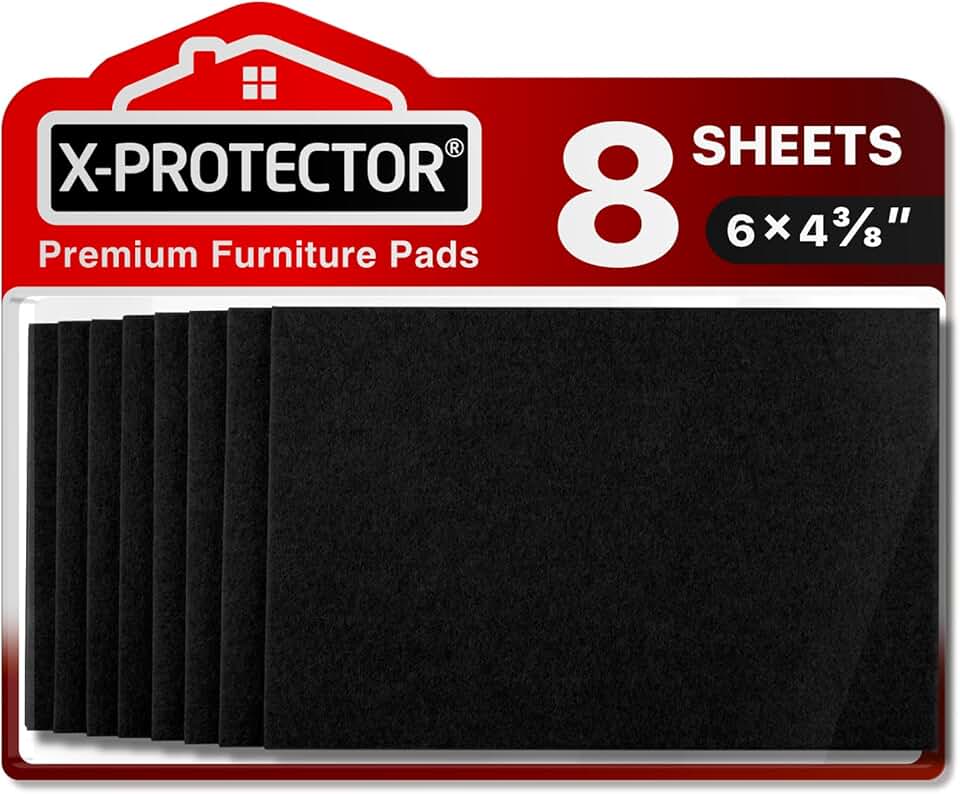
Adhere self-adhesive felt strips to the top of the wooden slats where they contact the bed frame. This eliminates the "chatter" caused by slats sliding back and forth during movement. Ensure the felt is trimmed flush to the wood to avoid creating an uneven sleeping surface or compromising mattress support.
5. Inject silicone lubricant
For deep-seated squeaks in joints you cannot disassemble, use a precision-nozzle silicone spray. Silicone penetrates narrow gaps and creates a water-resistant barrier that stops wood-on-wood friction.
Apply the lubricant to a cloth first or use a straw attachment to prevent overspray from staining the surrounding carpet or bedding.6. Tighten loose bolts
Over time, bed frame hardware loosens due to natural shifting. Use a socket wrench or screwdriver to tighten every bolt and screw on the side rails and center support. Avoid over-tightening, which can strip the wood threads; instead, snug them firmly to eliminate the gaps that cause friction-based squeaking.
7. Apply paraffin wax to joints
Rub a colorless paraffin wax candle or a beeswax stick directly into the wooden joints where the rails meet the headboard. The wax acts as a dry lubricant, reducing the friction between rubbing timber surfaces. This method is preferable to oils, which can seep into the wood grain and cause permanent staining.
8. Install rubber washers
Insert heavy-duty rubber washers between the metal bolts and the wooden frame. These act as shock absorbers that prevent metal-on-wood grinding. Pro Tip: Use EPDM rubber for better durability against compression. This simple physical barrier stops the vibration that typically manifests as a high-pitched chirp during movement.
9. Use felt furniture pads
Stick adhesive felt pads to the areas where the bed frame touches the floor or where slats contact the side rails. If the noise stems from the frame rubbing against a hardwood floor, these pads decouple the heavy wood from the surface. Ensure the pads are centered to prevent them from peeling under weight.
10. Reinforce slats with wood glue
For frames with loose slats that slide and click, apply a small bead of professional-grade wood glue to the contact points.
: Only use this for permanent installations, as it makes future disassembly difficult. This creates a rigid bond that eliminates independent movement and stops the rhythmic clicking sound during sleep.What to know first
Most bed noise isn't caused by the wood itself, but by friction. When two wooden surfaces rub together or a bolt loosens, the resulting vibration creates that high-pitched squeak. Fixing a squeaky wooden bed frame usually requires identifying the specific point of contact and introducing a barrier or a tighter connection to stop the movement.
We selected the solutions in this guide based on common failure points found in standard bed construction: loose joints, rubbing slats, and shifting frames. The recommended materials focus on non-greasy lubricants and physical buffers that won't stain your mattress or linens.
how to choose the right fix
Selecting the right method to fix your squeaky wooden bed frame depends on where the friction occurs. If the noise is a sharp click, it is likely a loose bolt; if it is a rhythmic groan, wood is rubbing against wood.
| Solution | Best For | Effort |
|---|---|---|
| Tightening Hardware | Loose bolts or rattling joints | Low |
| Lubricants/Wax | Wood-on-wood friction | Low |
| Felt Padding | Permanent gap filling | Medium |
| Structural Reinforcement | Sagging slats or cracked rails | High |

As an Amazon Associate, we may earn from qualifying purchases.
Common questions
Fixing a squeaky wooden bed frame usually comes down to eliminating friction between two surfaces. Whether the noise is a high-pitched squeal or a deep groan, the solution involves stabilizing the joints or adding a buffer to stop the wood from rubbing.
No comments yet. Be the first to share your thoughts!