

Spot solid wood versus engineered wood
The foundation of a durable bed frame starts with the material. Solid hardwood frames resist warping and handle heavy loads better than engineered alternatives. Engineered wood, often called particle board or MDF, uses compressed wood fibers and glue. It is cheaper but prone to swelling, splitting, and sagging over time, especially in humid environments.
Identify the material by checking the edges and grain patterns. Solid wood shows continuous grain running across surfaces and joints. Engineered wood typically has a uniform, plastic-like edge or a veneer layer that may peel or chip at corners. Look for joinery details: mortise-and-tenon or dovetail joints indicate solid wood construction, while staples or glue-only connections suggest engineered materials.
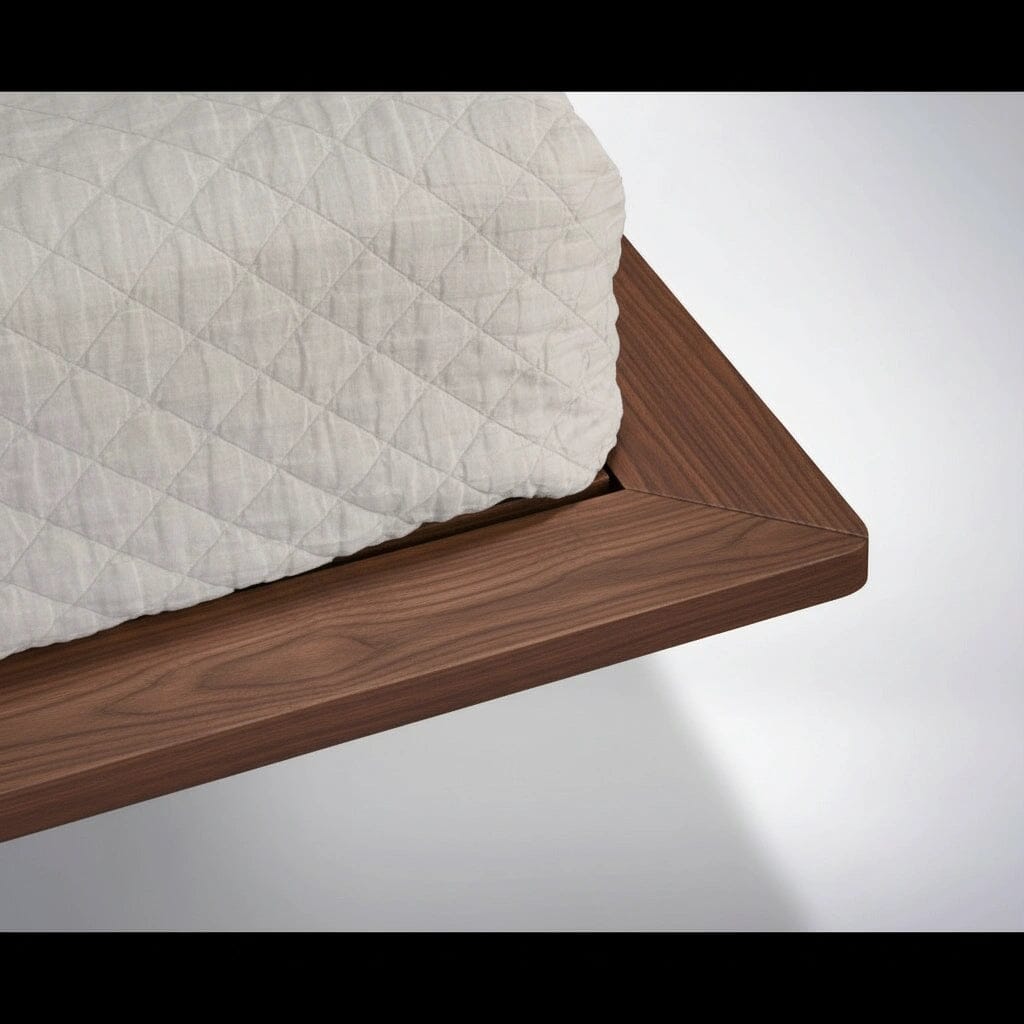
The table below compares the three most common bed frame materials to help you weigh durability against cost.
| Material | Durability | Weight | Cost |
|---|---|---|---|
| Solid Hardwood | High | Heavy | High |
| Engineered Wood | Low | Medium | Low |
| Metal | Medium | Medium | Medium |
Check slat spacing and center support
The durability of a wooden bed frame relies on how well it distributes weight. Gaps between slats that are too wide allow the mattress to sag into the voids, while a lack of center support causes the middle of the bed to bow under pressure. Both issues shorten the lifespan of your mattress and the frame itself.
Measure the slat gaps
Inspect the distance between individual wooden slats. The industry standard for solid wood slats is no more than 2.5 to 3 inches apart. If the gaps exceed this, the mattress foundation becomes unstable, leading to premature wear on the mattress coils or foam layers.
If your frame has wider spacing, you can often solve the problem by adding a sheet of plywood or a bunkie board between the slats and the mattress. This creates a solid, uniform surface that supports the mattress evenly without altering the frame's structure.
Verify the center support leg
Any wooden bed frame larger than a twin size requires a center support leg. This leg transfers the weight from the center of the bed directly to the floor, preventing the side rails from bending or snapping. Without it, the frame acts like a seesaw, putting excessive stress on the joints.
Check that the center leg is firmly attached to the center slat and extends all the way to the floor. If the leg is adjustable, ensure it is screwed down tight so it bears weight effectively. A loose center leg renders the entire support system ineffective.
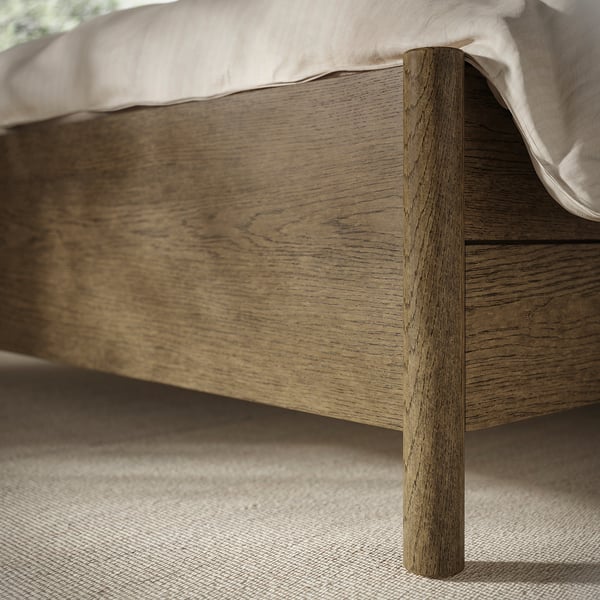
Measure the gap between slats. If it exceeds 3 inches, add a plywood sheet or bunkie board to prevent mattress sagging.
Ensure the center leg is tight against the floor and securely connected to the center slat. Adjust the height if necessary to bear full weight.
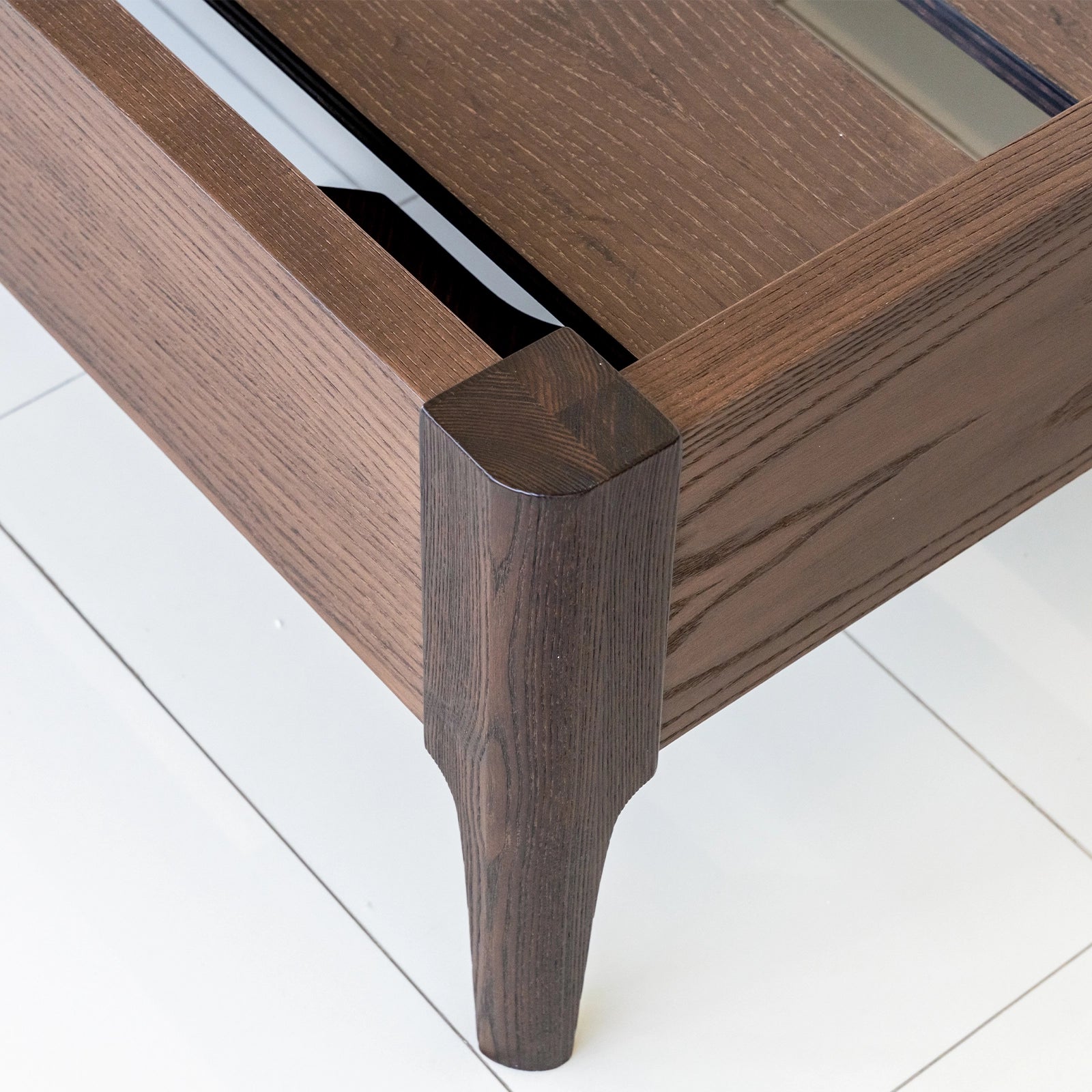
Press down firmly on the center and corners. The frame should not creak, bow, or shift. Tighten any loose bolts if movement occurs.
Assemble the frame with proper torque
Building a wooden bed frame is less about brute strength and more about precision. The goal is to create a rigid structure without stressing the wood fibers or stripping the bolt holes. Tighten the hardware until it is snug, then stop. Over-tightening is the most common mistake during assembly, and it is often irreversible once the wood compresses or the threads fail.
1. Position the side rails and legs
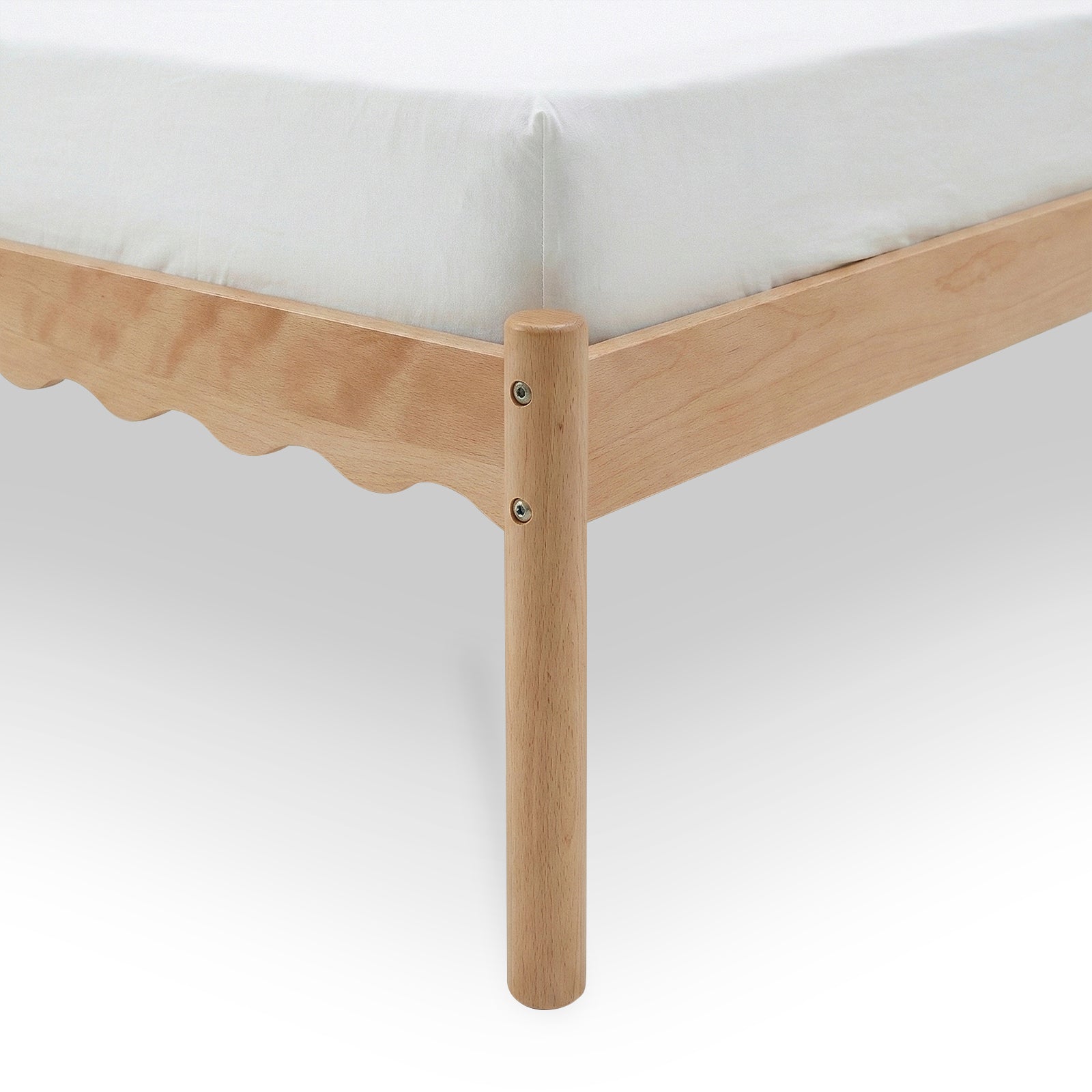
Place the long side rails flat on a clean surface. Insert the bed legs into the pre-drilled holes at each end. These joints rely on friction and the bolt's grip, so ensure the leg sits flush against the rail before inserting any hardware. Do not force the leg in; if it resists, check for obstructions or misaligned holes.
Lay the side rails flat and insert the legs. Ensure the leg is fully seated and square to the rail before proceeding to hardware insertion. This alignment prevents uneven stress on the wood during use.
Hand-start every bolt and screw. This ensures the threads engage correctly with the wood or metal insert. If a bolt binds immediately, back it out and check for cross-threading. Never force a bolt that does not turn smoothly.
Use a screwdriver or hex key to tighten the bolts until they are firm. Stop as soon as you feel significant resistance. The wood should not compress or crack. If you are using a power drill, switch to the lowest torque setting or use a torque-limiting bit to prevent stripping.
Connect the center support beam to the side rails using the provided brackets or bolts. This beam is critical for preventing sagging. Ensure it is level and securely fastened to both sides. A loose center support will cause the mattress to dip and the frame to creak over time.
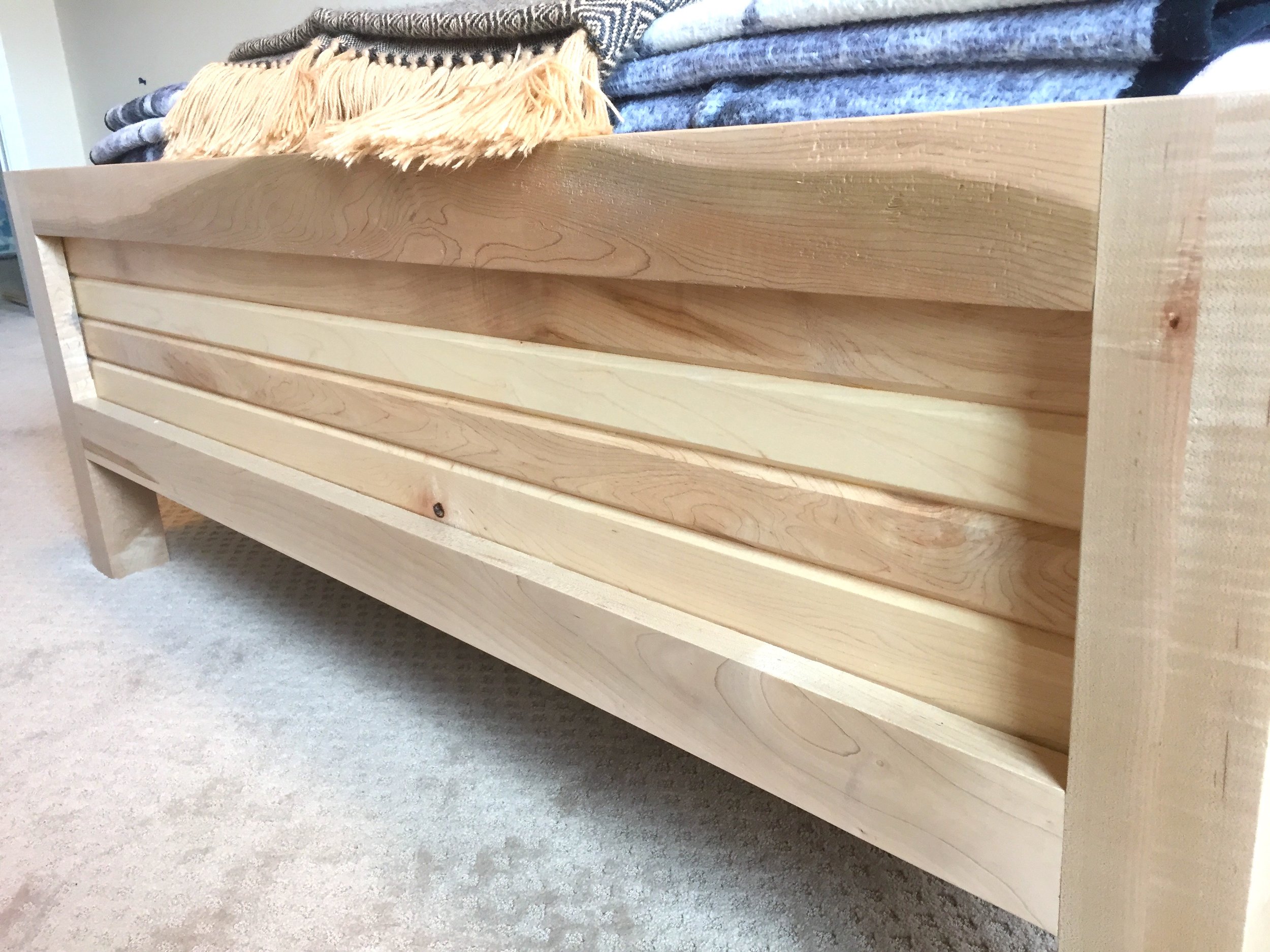
Go back over all bolts one last time. Check for any wobble in the legs or rails. If a bolt feels loose, tighten it slightly. If it spins freely, the threads may be stripped, and you will need to replace the hardware or use a wood filler repair kit. A sturdy wooden bed frame should not shift under normal pressure.
Why torque matters for wood
Wood is porous and compressible. When you over-tighten a bolt, you crush the wood fibers around the hole, reducing the grip strength. This leads to a loose frame that squeaks and wobbles. Proper torque ensures the bolt holds the wood together without destroying the material it is anchored in. Think of it like a handshake: firm and secure, but not crushing.
Common assembly mistakes
- Using power tools on high torque: This is the fastest way to strip wood threads. Always start by hand.
- Ignoring the center support: Skipping this step or leaving it loose will cause the mattress to sag in the middle.
- Cross-threading: Forcing a bolt that does not align can damage the threads in the wood or metal insert, making future repairs difficult.
By following these steps and respecting the limits of the material, you ensure your wooden bed frame remains stable and durable for years.
Fix squeaks by tightening joints
Wooden bed frames creak because gravity and movement slowly loosen the connections that hold the structure together. Wood expands and contracts with humidity changes, causing mortise-and-tenon joints and screw mounts to shift. A squeak is rarely a sign of structural failure; it is usually just friction from loose parts rubbing against each other.
To stop the noise, you need to identify the source and secure it. Start by lifting the mattress and inspecting the frame from underneath. Look for visible gaps in the corner brackets or wobbly slat holders. If the floor is uneven, the frame may twist, putting stress on the joints. Use a level to check the feet, but focus first on the hardware itself.
Push down on the corners and sides of the bed while listening closely. Squeaks often originate at the headboard connections or where the side rails meet the footboard. Mark these spots with painter's tape so you know exactly where to focus your attention.
Use the appropriate tool to tighten all visible screws on the corner brackets. If the screw spins freely without tightening, the hole may be stripped. In this case, remove the screw, fill the hole with wood glue and toothpicks, let it dry, and reinsert the screw for a tighter grip.
Check the hooks or brackets holding the wooden slats. These often loosen as you move in bed. Tighten any loose screws on the slat holders. If the slats themselves are rubbing against the side rails, apply a small piece of felt tape to the contact points to reduce friction noise.
Put the mattress back in place and apply weight to the areas you repaired. Move around gently to simulate sleeping motions. If the squeak persists, check the floor level again or add furniture coasters to the feet to stabilize the frame on uneven surfaces.
If tightening the hardware does not resolve the noise, the issue may be the wood itself. Check for cracks in the slats or the side rails. A cracked slat can flex and creak under pressure. Replace any damaged slats with new ones of the same thickness and wood type. Regular maintenance every six months will keep your wooden bed frame quiet and stable for years.
Protect wood from humidity and wear
Wood breathes. It expands when the air is damp and shrinks when it’s dry. Without a consistent care routine, that natural movement causes joints to loosen and finishes to crack. Treat your wooden bed frame like a living finish that needs regular attention to stay structurally sound.
Clean and polish regularly
Dust settles into the grain and acts like sandpaper under pressure. Use a soft, dry microfiber cloth to wipe down the frame weekly. For deeper cleaning, use a damp cloth with a small amount of mild soap, then dry it immediately. Never soak the wood.
Apply a high-quality furniture polish or beeswax every three to six months. This replenishes the finish and creates a barrier against moisture. Avoid silicone-based sprays that build up residue over time.
Control bedroom humidity
Keep indoor humidity between 40% and 50%. Use a hygrometer to monitor levels. In dry winters, a humidifier prevents the wood from shrinking and cracking. In humid summers, a dehumidifier or air conditioner stops the wood from swelling and warping.
Keep the bed away from direct sunlight, radiators, and HVAC vents. These sources create uneven temperature and moisture changes that stress the wood structure.
Tighten hardware
Check all screws and bolts every three months. The weight of the mattress and daily movement cause fasteners to loosen over time. Use the correct screwdriver or Allen key to tighten them snugly, but do not overtighten, which can strip the threads or crack the wood.
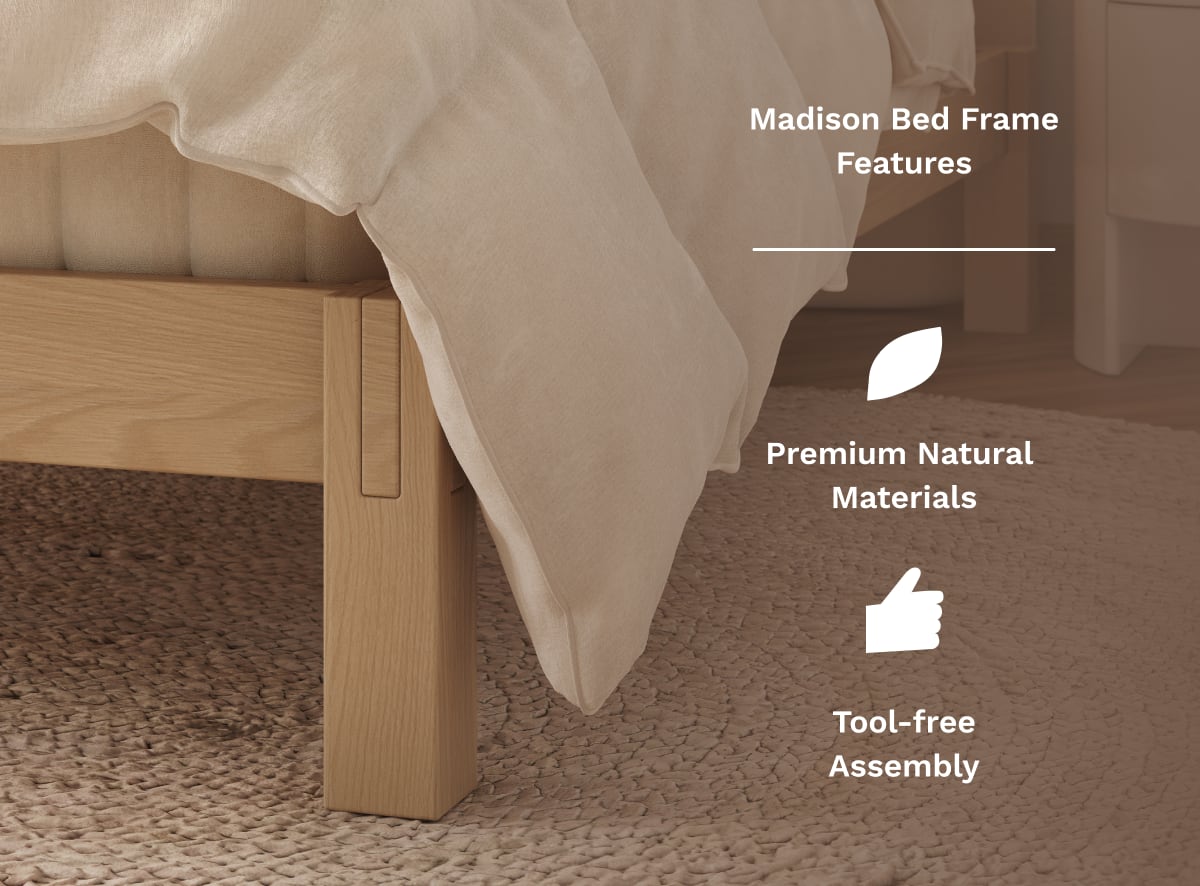
Check for loose joints, scratches, or finish wear. Look under the slats and along the headboard.
Wipe down with a dry cloth. For stains, use a damp cloth with mild soap and dry immediately.

Apply a thin layer of beeswax or furniture polish with a clean cloth. Buff to a shine.
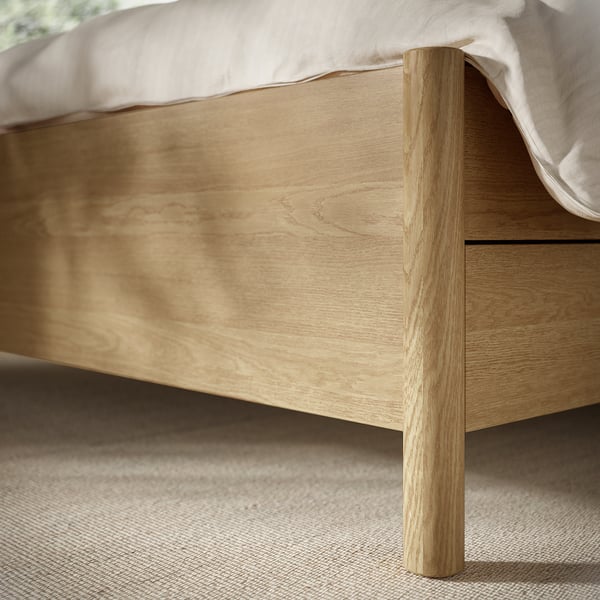
Use the correct tool to tighten all visible screws and bolts. Do not overtighten.
-
Wipe frame with dry microfiber cloth weekly
-
Polish with beeswax every 3-6 months
-
Check humidity levels (40-50%)
-
Tighten screws and bolts quarterly
-
Inspect joints for looseness or cracks
Common questions about wooden beds
What are the pros and cons of a wooden bed frame?
Wooden frames offer a warm, natural look that complements most decor styles, but they require regular maintenance to prevent warping or cracking. Unlike metal or upholstered options, wood can be heavy and difficult to move, yet it generally provides superior stability and sound resistance.
Are wooden bed frames still in style?
Yes, wooden bed frames remain a timeless favorite in 2024. Their natural grain and texture add character to any bedroom, creating a cozy atmosphere that pairs well with neutral or earthy interiors. This enduring appeal makes them a safe investment for long-term style.
How do I maintain a wooden bed frame?
Regularly tighten screws and check for loose joints to ensure structural integrity. Clean the surface with a dry or slightly damp cloth, avoiding harsh chemicals that can strip the finish. Apply wood polish or wax every few months to protect against moisture and scratches.
No comments yet. Be the first to share your thoughts!