

The hybrid mattress challenge
Hybrid mattresses are, at their core, an attempt to get the best of both worlds. They combine the familiar feel of innerspring coils with the comfort of foam layers – typically memory foam, but sometimes latex or polyfoam. This construction aims to provide a balance of support, pressure relief, and temperature regulation that all-foam or all-spring mattresses struggle to achieve.
However, this very combination creates a specific set of demands when it comes to mattress frames. Unlike a traditional innerspring mattress that’s fairly forgiving with its base, or a fully foam mattress that can adapt to many surfaces, a hybrid needs a frame that properly supports both its coil system and its foam layers. It’s not a simple case of one frame fitting all.
People often choose hybrid mattresses for a few key reasons: they want the support of springs for spinal alignment, the pressure-relieving comfort of foam, and potentially better cooling than an all-foam option. But if you pair a fantastic hybrid mattress with a poorly suited frame, you risk negating those benefits. You could end up with sagging, reduced motion isolation, or even voiding your warranty. It’s a detail that genuinely matters.
Balancing springs and foam
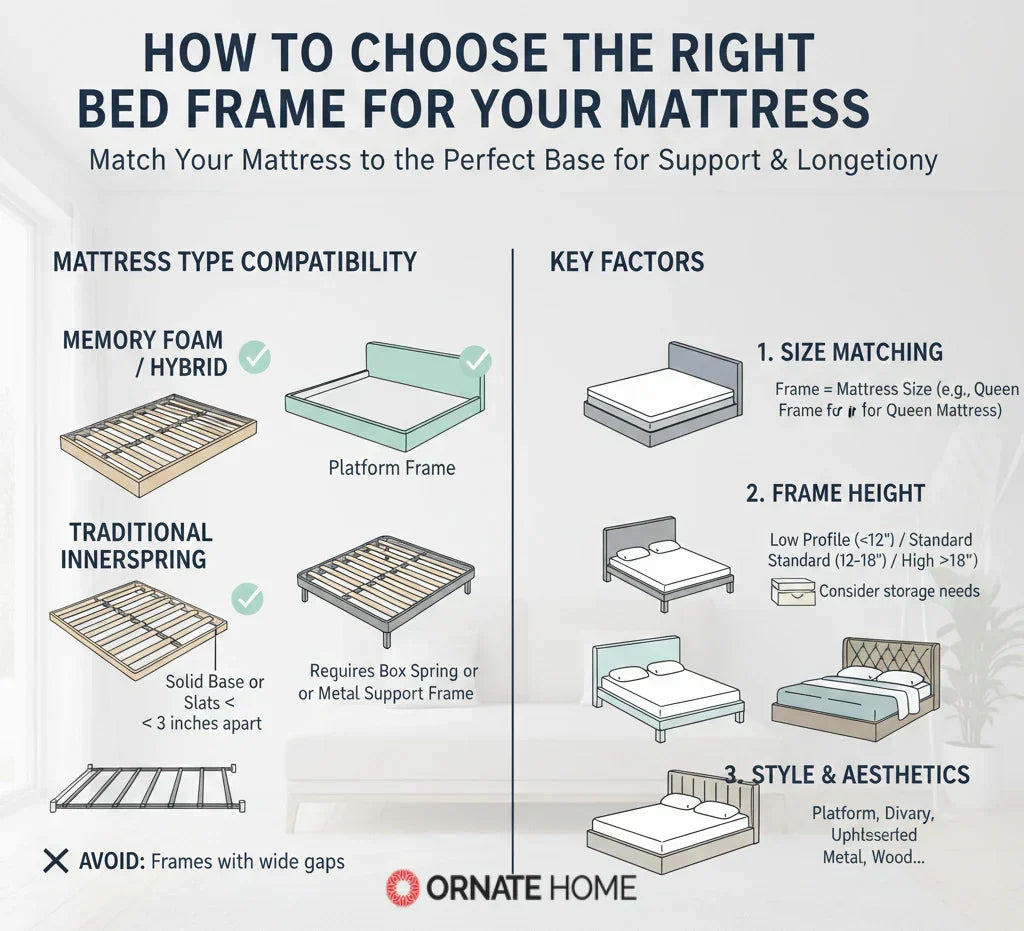
The innerspring system in a hybrid is heavy. It needs a firm, flat surface so the coils don't compress unevenly. If the base is weak, the middle of the bed will sag within a year, and you'll feel it in your lower back.
The foam layers, on the other hand, benefit from a bit of give. They’re designed to contour to your body, and a rigid frame can limit that ability. A frame that’s too hard can also create pressure points, defeating the purpose of the foam’s pressure relief. It's about finding a balance between firmness and flexibility.
Different frame materials impact these needs in distinct ways. Wood frames, particularly solid wood, tend to offer a good balance, though quality varies greatly. Metal frames excel at providing firm support and airflow. Upholstered frames can hide a multitude of sins – the underlying structure is what truly counts. Slat spacing is also a big factor, and there’s a lot of misinformation out there about what’s "correct".
Slat spacing and materials
Slats are the unsung heroes of mattress support. They distribute your weight and provide the necessary foundation for your hybrid. The ideal slat spacing depends on the construction of your mattress – more coils generally require closer spacing. A mattress with a dense coil system might need slats spaced no more than 2.75 inches apart, while a mattress with fewer, thicker coils could be fine with up to 3.5 inches.
Slat material also makes a difference. Solid wood slats are the gold standard, offering strength and durability. Plywood slats can be acceptable, but they’re more prone to bending and breaking over time, especially if they’re thin. Avoid flimsy plastic slats altogether. You really get what you pay for here.
Wide gaps between slats are the fastest way to ruin a hybrid. If the gaps are too big, the foam layers start to sink through the spaces. Brands like Saatva or Purple usually require gaps smaller than 3 inches. If you have a Queen or King, you also need a center support leg that touches the floor, or the frame will bow in the middle.
- Dense coils: 2.75 inches or less
- Mattress with Dense Coils: 2.75 inches or less
- Mattress with Fewer, Thicker Coils: Up to 3.5 inches
- Always check your mattress warranty for specific requirements.
Hybrid Mattress & Slat Material Compatibility
| Slat Material | Cost | Durability | Flexibility | Hybrid Mattress Suitability |
|---|---|---|---|---|
| Solid Wood | Medium to High | High | Medium | Excellent - Provides strong support and natural give, suitable for all hybrid types. |
| Plywood | Low to Medium | Medium | Low to Medium | Good for lighter hybrid mattresses; may lack sufficient support for heavier models over time. |
| Metal | Medium | High | Low | Best for hybrid mattresses needing firm support; less forgiving than wood options. |
| Solid Wood (with center support) | Medium to High | Very High | Medium | Ideal for heavier hybrid mattresses and larger bed sizes, maximizing support and minimizing sagging. |
| Plywood (reinforced) | Medium | Medium to High | Medium | Offers improved durability compared to standard plywood, better suited for moderately heavy hybrids. |
| Metal (with center support) | Medium to High | Very High | Low | Provides exceptional support and stability, particularly for queen and king-sized hybrid mattresses. |
Illustrative comparison based on the article research brief. Verify current pricing, limits, and product details in the official docs before relying on it.
Platform beds
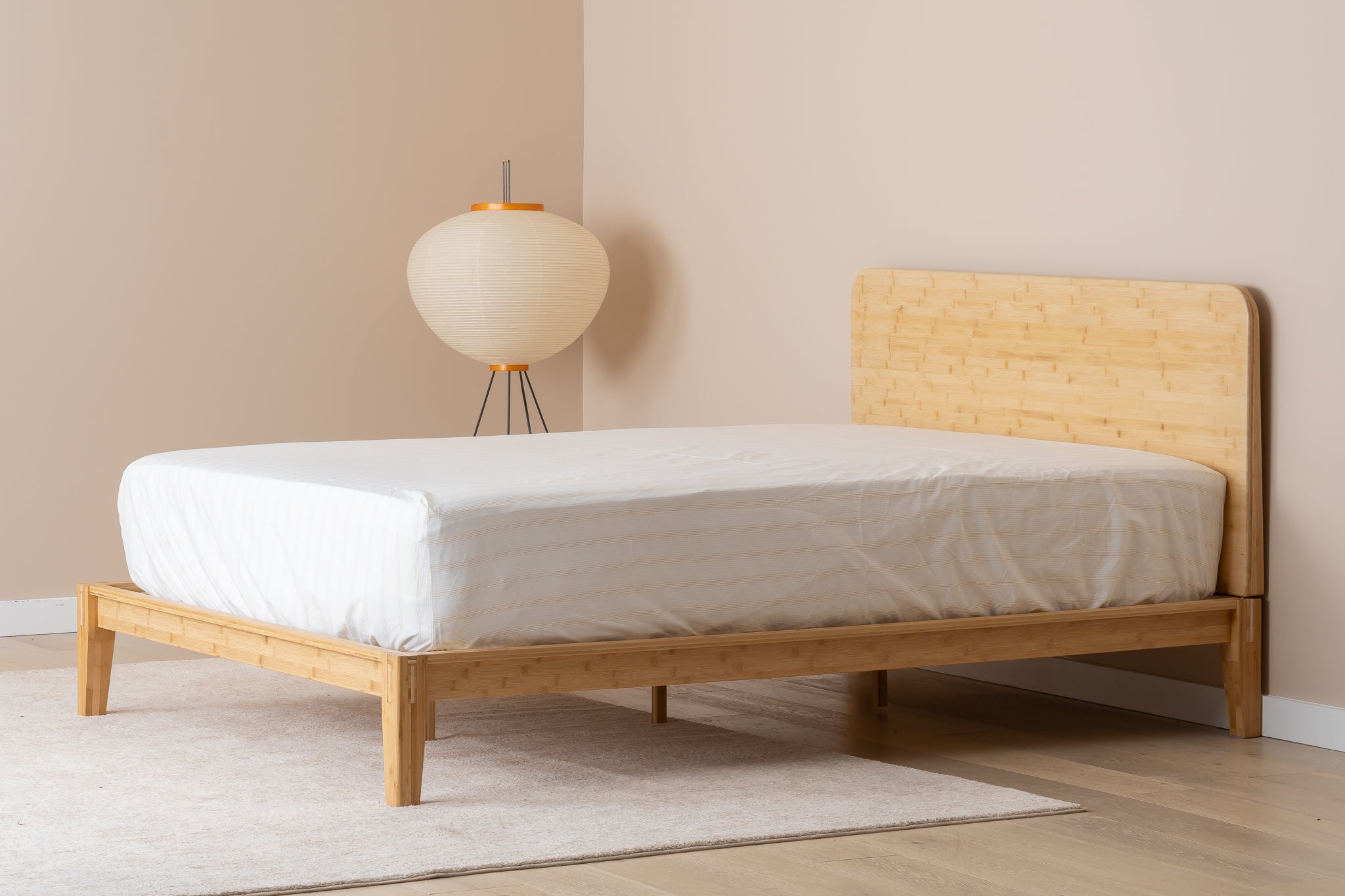
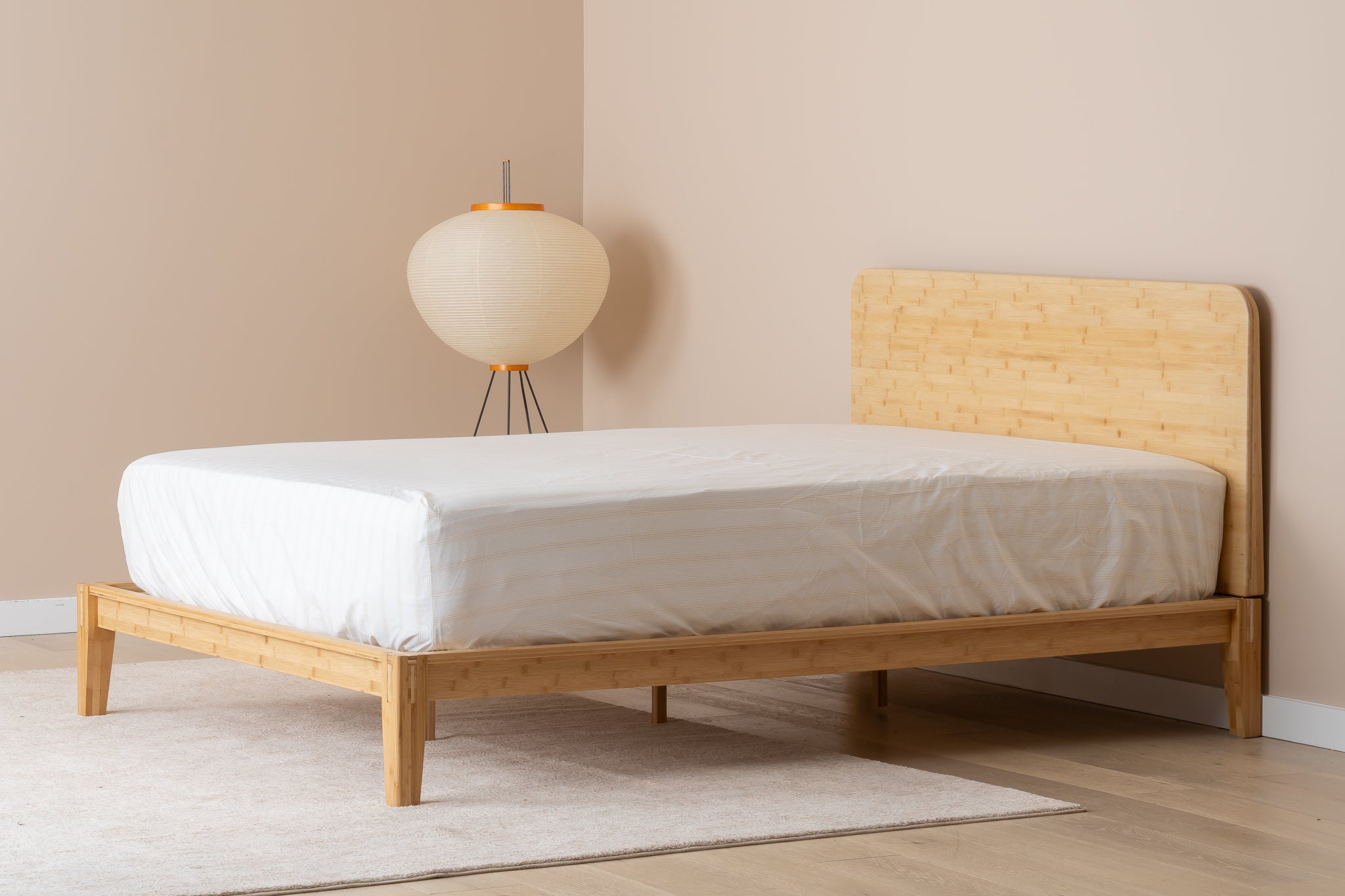
Platform beds have gained immense popularity for their minimalist aesthetic and ease of use. They offer a solid surface that can be excellent for supporting the innerspring component of a hybrid mattress. The consistent support is a definite plus, especially compared to frames with widely spaced slats.
However, platform beds aren’t without their drawbacks. The solid surface can limit airflow, potentially trapping heat and making you sleep warmer. This is particularly relevant if your hybrid mattress already tends to sleep warm. Look for platform beds with ventilation holes or consider adding a breathable mattress protector.
Platform bed height is also a factor. A lower profile can make getting in and out of bed difficult, especially for individuals with mobility issues. Some platform beds have minimal slats or gaps, so it’s important to assess the support structure carefully. A solid piece of plywood isn't necessarily better than well-spaced, sturdy slats.
Metal frames
Metal frames, typically made of steel or iron, are known for their strength and durability. They provide excellent support and allow for good airflow, which can help regulate temperature. They're often the most affordable option, too, making them attractive for budget-conscious buyers.
Steel is generally more affordable and lighter than iron, but iron tends to be more decorative. Both materials can be incredibly strong, but the quality of the welding and construction matters greatly. Look for frames with thick gauge steel and reinforced corner brackets. A wobbly metal frame isn’t doing anyone any favors.
The biggest complaint about metal frames is often noise. Squeaking can be a real problem, but it’s usually fixable. Tightening all the bolts is the first step. If that doesn’t work, applying felt pads to the contact points between the frame and the slats can help dampen vibrations. The aesthetic of some metal frames can also be a limiting factor for those seeking a more traditional look.
Adjustable bases
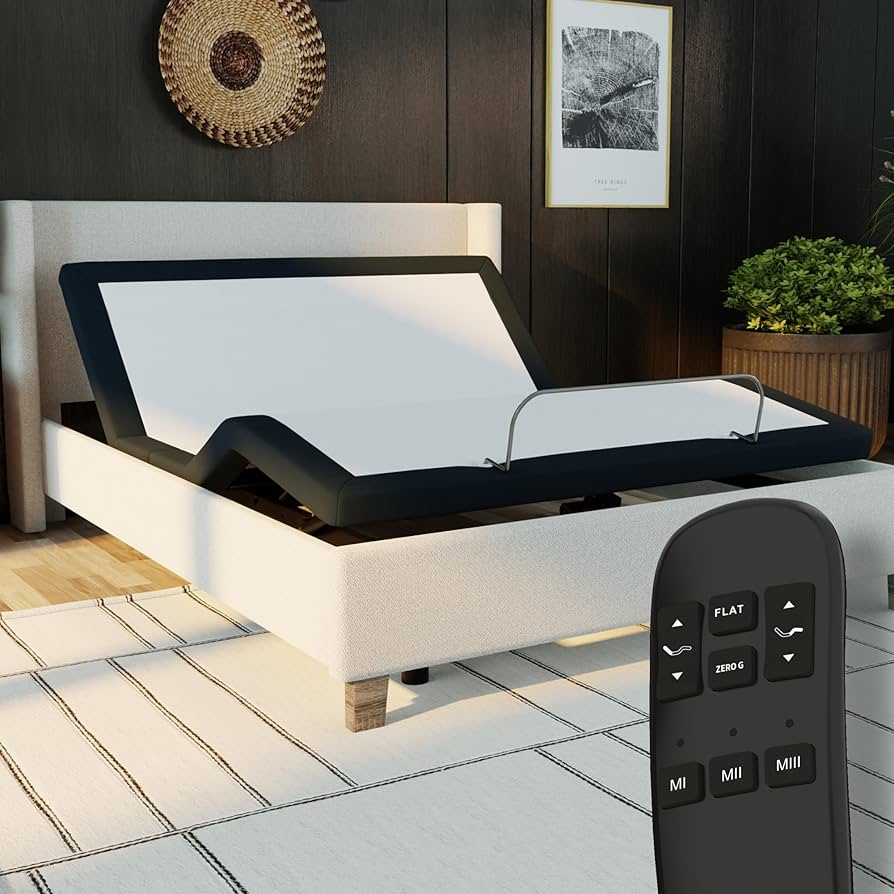
Adjustable bases are becoming increasingly popular, and they can be a fantastic pairing for a hybrid mattress. The ability to adjust the head and foot of the bed can enhance comfort and support, particularly for those with back pain, sleep apnea, or who simply enjoy reading or watching TV in bed.
However, not all hybrid mattresses are designed to be used with adjustable bases. Check with the mattress manufacturer before purchasing a base to ensure compatibility. Some hybrids have coils that are too rigid or foam layers that are too sensitive to bending. You’ll want a hybrid specifically designed for adjustability.
When choosing an adjustable base, look for features like a split design (allowing independent adjustment of each side), a remote control with memory settings, and a weight capacity that exceeds the weight of your mattress and occupants. Be prepared for a significant cost increase – adjustable bases can easily add several hundred dollars to the overall price.
- Email the manufacturer to confirm the coils can handle being bent.
- Check mattress compatibility with the manufacturer.
- Look for a split design for independent adjustment.
- Ensure sufficient weight capacity.
- Consider features like remote control memory settings.
Upholstered frames
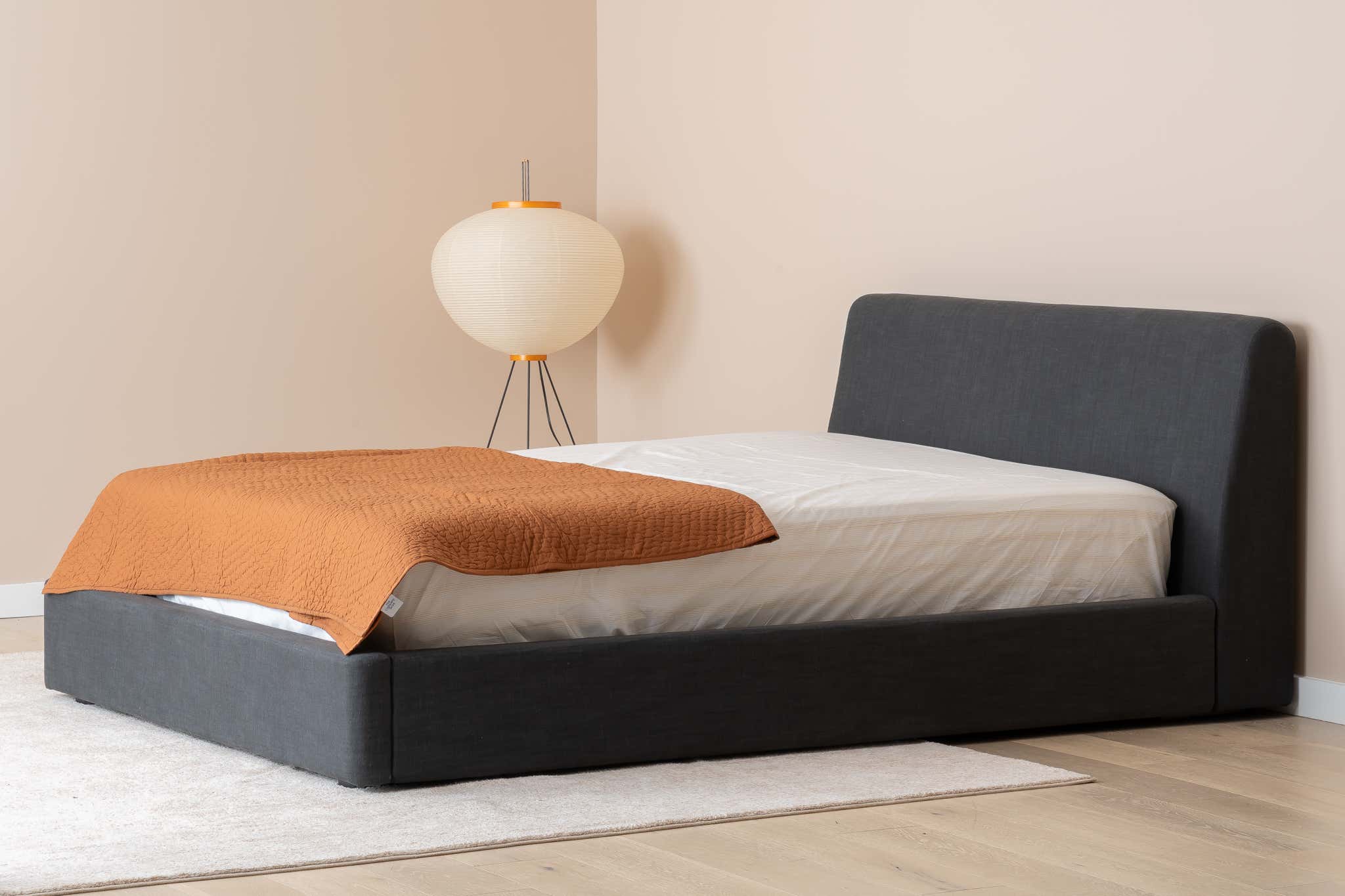
Upholstered frames offer a touch of elegance and can complement a variety of bedroom styles. They look beautiful, but it’s crucial to remember that the fabric and padding are secondary to the underlying structure. Don’t let a stylish exterior fool you – the frame itself must provide adequate support.
Carefully assess the quality of the frame beneath the fabric. Look for solid wood construction, reinforced corner supports, and sturdy slats. Avoid frames with flimsy slats or a wobbly base. If you can’t easily determine the quality of the frame, it's best to err on the side of caution.
Upholstered frames can require more maintenance than other types of frames. Regular vacuuming is essential to prevent dust buildup, and spot cleaning may be necessary to remove stains. Some fabrics are more durable and easier to clean than others, so consider your lifestyle when making a selection.
No comments yet. Be the first to share your thoughts!