

Get the bed arc right
Before you commit to a wooden bed frame, you need to understand the structural geometry. The "arc" refers to the relationship between the headboard, footboard, and side rails. In sustainable woodworking, this isn't just aesthetic; it dictates how weight distributes across the joints over decades of use.
A well-proportioned arc ensures that the headboard and footboard don't twist when you sit on the edge. Look for frames where the vertical posts are anchored directly into a solid base rail, rather than relying solely on corner brackets. This creates a rigid triangle that resists lateral movement, which is the primary cause of squeaking and eventual joint failure in wooden furniture.
Pay attention to the material thickness. High-quality frames use 2x4 or thicker lumber for the primary structural members. Thinner slats or hollow tubes may look sleek, but they flex under dynamic load. When you test a frame, apply pressure to the corners. If the wood creaks or the structure shifts more than a millimeter, the arc is too weak for long-term durability.
Once you verify the arc's stability, you can move on to selecting the specific wood species and finish that match your sustainability goals.
Work through the steps
A durable wooden bed frame is only as good as its construction. Choosing a sustainable option that lasts requires checking the joinery, the wood species, and the finish. Follow this sequence to verify quality before you commit to a purchase.
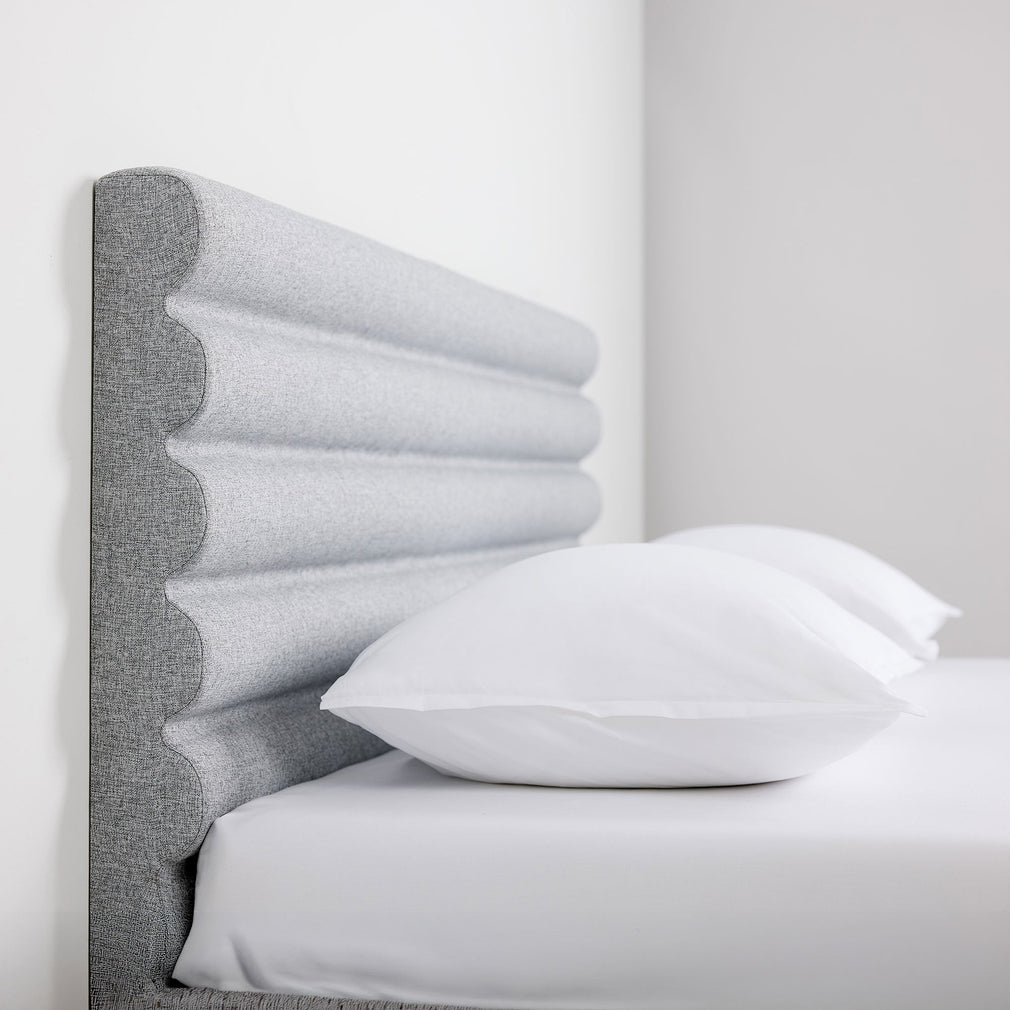
Avoid frames held together by staples, glue, or weak particle board. Look for mortise-and-tenon joints or solid wood dowels. These connections flex with the wood as humidity changes, preventing the wobble that ruins cheaper frames. Solid hardwoods like oak, maple, or walnut are the most sustainable long-term choices because they resist warping better than softwoods.
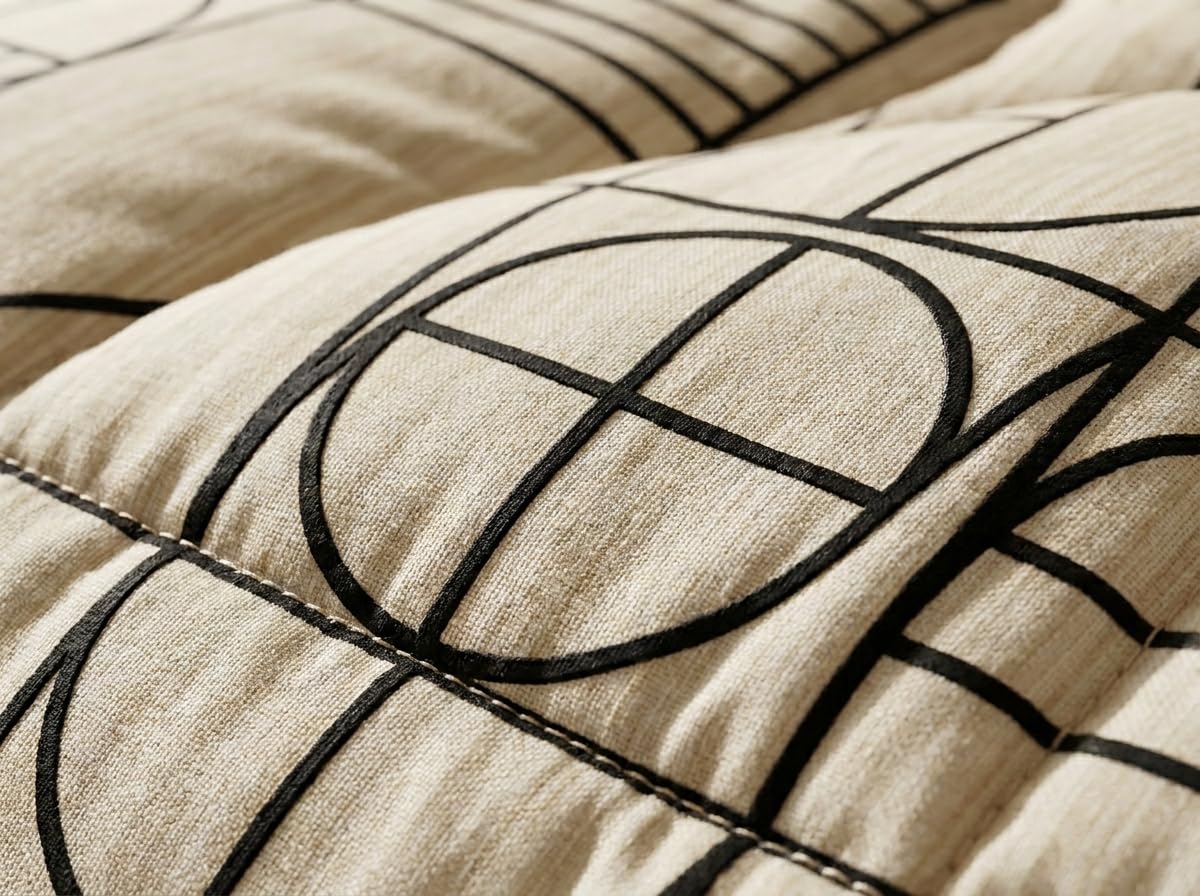
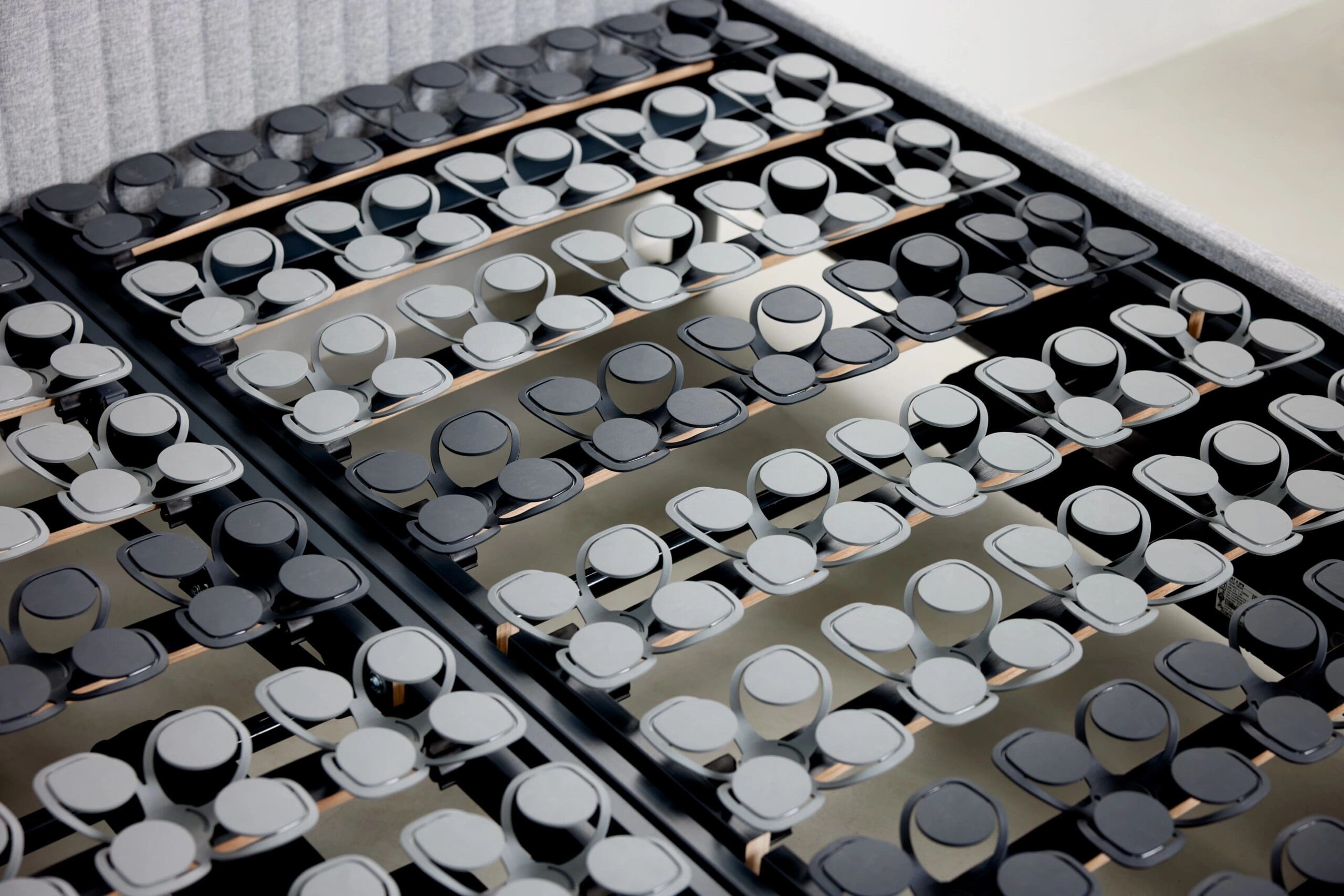
Slats should be spaced no more than three inches apart to prevent mattress sagging. Thicker slats (at least one inch) provide better load distribution. If the frame uses a center support leg, ensure it is adjustable and firmly planted. This simple addition can double the lifespan of a queen or king frame by taking weight off the side rails.
Sustainable wood should be finished with low-VOC (volatile organic compound) oils or water-based sealants. High-VOC finishes off-gas harmful chemicals for years. Look for certifications like FSC (Forest Stewardship Council) to ensure the wood was harvested responsibly. A natural oil finish allows you to sand and refinish the frame later, extending its life indefinitely.
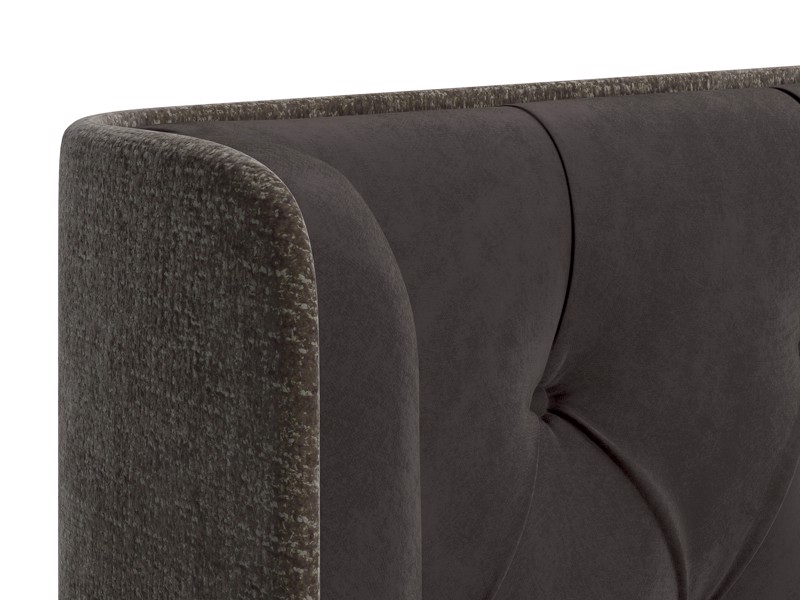
Once assembled, apply pressure to the corners. A quality frame should not creak or shift. Check that all bolts and screws are tightened securely. If the instructions are unclear or parts are poorly labeled, it may indicate lower manufacturing standards. A well-designed frame should assemble with standard tools in under an hour.
Fix common mistakes
Even a solid wooden bed frame can fail if the assembly or placement ignores basic structural logic. These errors are easy to miss during setup but costly over time. Correcting them early preserves the integrity of the joinery and prevents premature wear on the wood or hardware.
Ignoring the center support
The most frequent mistake is skipping the center support leg on queen and king frames. Without it, the center slats bow under weight, causing the wood to crack or the slats to snap. Ensure the support leg touches the floor firmly and adjusts to the exact height of the side rails. If it floats, the bed will sag.
Over-tightening hardware
Wood expands and contracts with humidity changes. Stripping screw holes by over-tightening bolts during assembly removes the wood’s ability to flex. Tighten hardware until snug, then back off slightly. Re-check bolts after the first week of use as the frame settles into place.
Placing on uneven floors
A wooden frame acts like a rigid bridge. If one leg sits on a high spot, the frame twists, stressing the joints and potentially splitting the side rails. Use a level to check stability. Shim the short leg with a thin wedge of wood or felt if the bed rocks. Never force the frame level by over-tightening the legs.
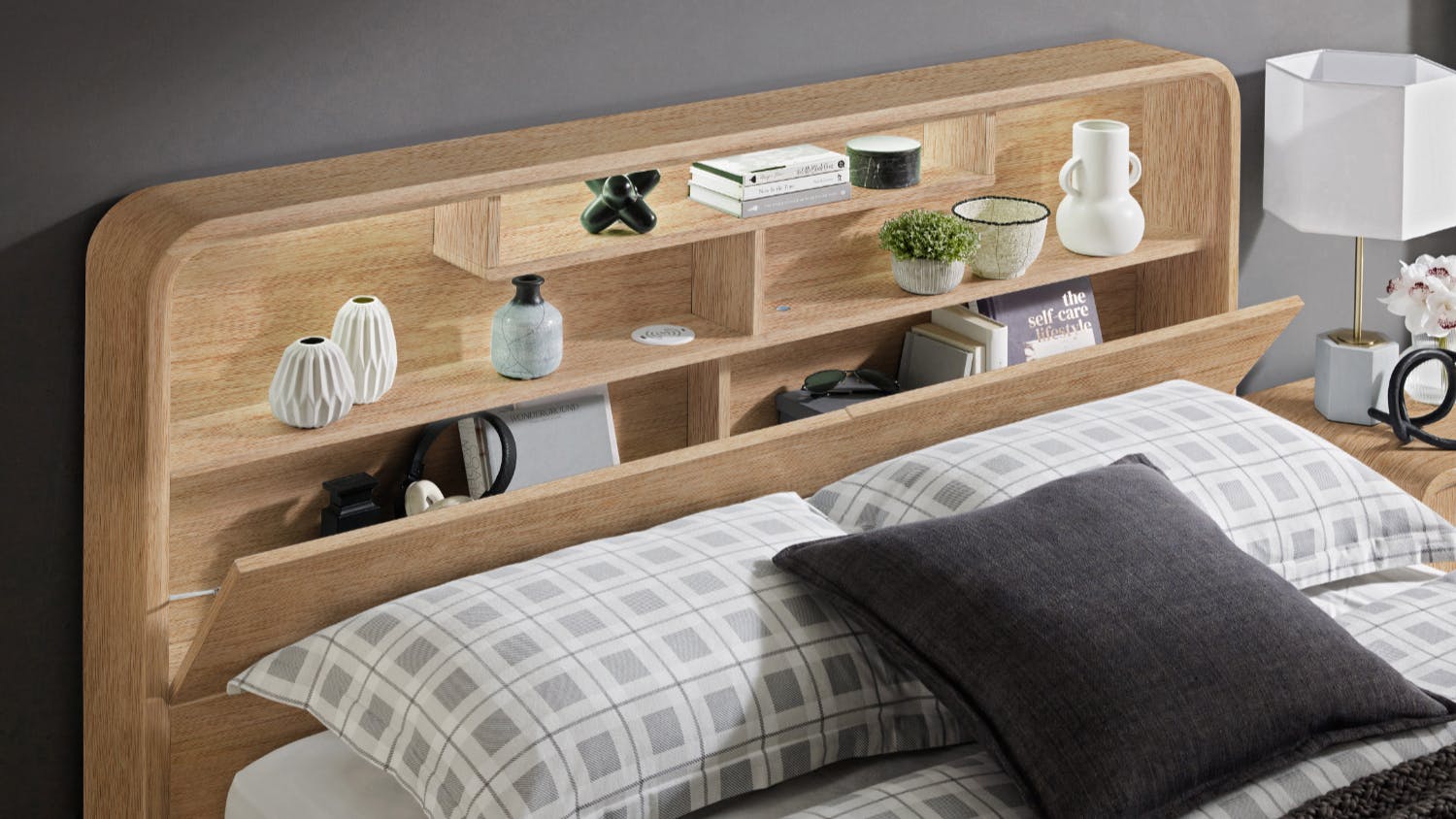
Bed arc: what to check next
Before committing to a durable wooden bed frame, it helps to separate marketing terms from actual construction quality. The Bed Arc design relies on specific joinery and material choices that determine whether the frame lasts for years or sags within months. Here are the practical answers to the most common objections buyers face.
These checks remove the guesswork from buying a sustainable sleep foundation. Focus on the materials and mechanics rather than the finish, as the structure is what ultimately defines the lifespan of your investment.
No comments yet. Be the first to share your thoughts!