

Bed frame problems in 2026
A creak in the night or a wobble with every movement usually means your bed frame is failing. These frames aren't permanent fixtures, and even high-end models wear down. Ignoring a loose joint can turn a small annoyance into a collapsed rail while you're sleeping.
The most common complaints in 2026 are still the same as they’ve been for years: squeaks, wobbles, and broken support structures. But the types of frames people are buying are changing. Platform beds continue to gain popularity, and while they often eliminate the need for a box spring, they introduce their own unique failure points – particularly around the slats and center support.
Luckily, many bed frame problems are easily fixed with a little DIY effort. We'll focus on the repairs most homeowners can tackle themselves. It’s important to recognize, however, that some damage is beyond the scope of a weekend project and requires a professional. Bed frame materials have also evolved, making some fixes simpler than they used to be, but also introducing new challenges when it comes to repair.
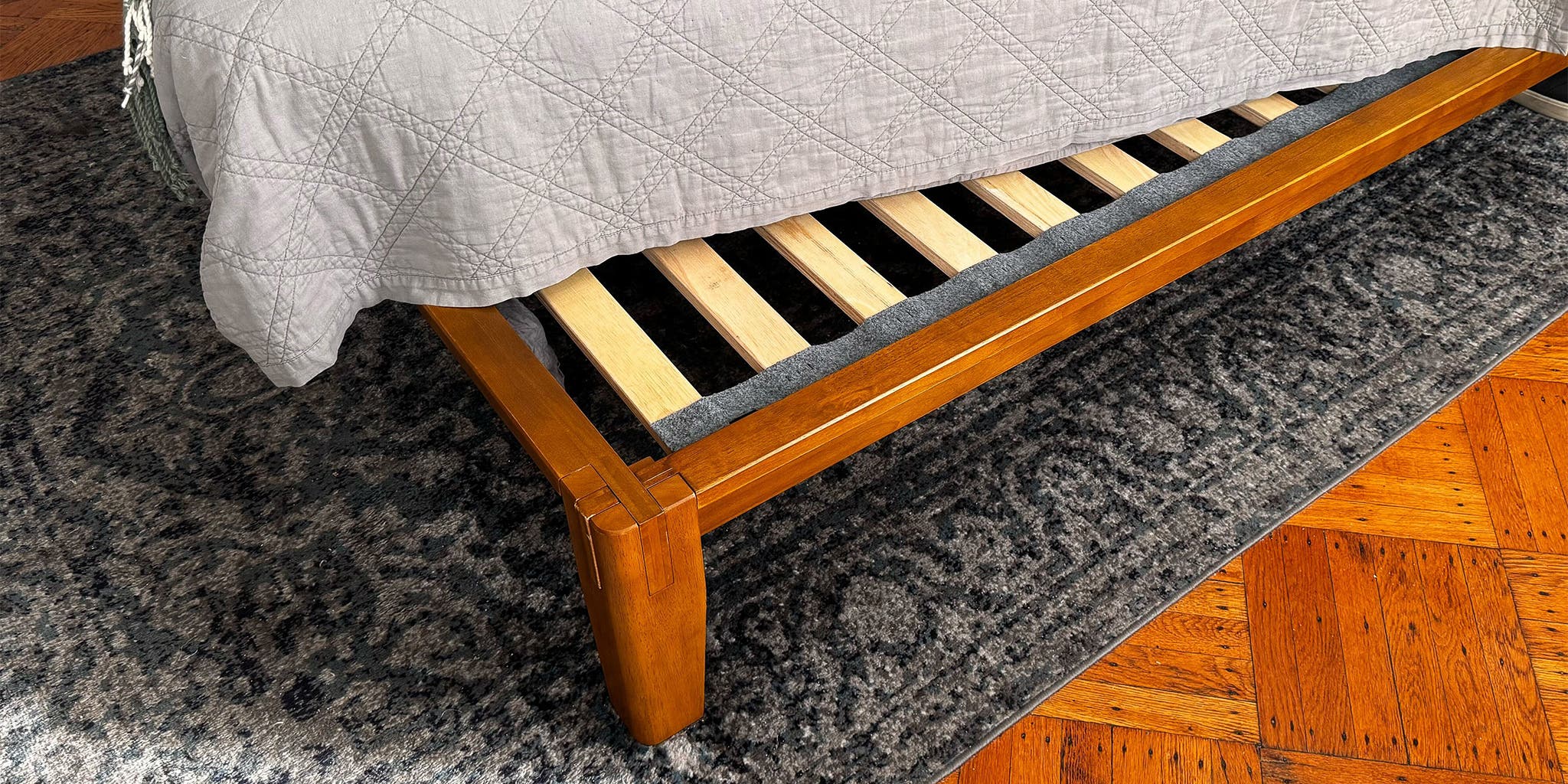
Where the noise comes from
That frustrating squeak is almost always caused by friction. Wood rubbing against wood, metal on metal, or loose joints vibrating – it’s rarely a single source, but a combination of factors. Pinpointing the exact location is the first step to silencing the noise.
Common squeak locations include the headboard and footboard where they connect to the side rails, along the side rails themselves, and where the slats meet the frame. Don’t forget to check the connections between the frame and the mattress. Sometimes, it isn’t the frame at all, but the mattress foundation shifting.
Interestingly, the type of mattress can influence where you perceive the squeak. An innerspring mattress might amplify noise from the frame, while a memory foam mattress could mask it. I’ve found that a lot of people automatically assume the wood is the culprit, but more often than not, it's the metal hardware – bolts, screws, and brackets – that are the source of the sound.
Fixing squeaks with tightening and lube
Once you’ve identified the squeak’s origin, it’s time to get to work. The first step is always tightening any loose bolts, screws, or connections. Be careful not to overtighten, especially with wooden frames – you risk stripping the screw holes. A slow, firm tightening is best.
Lubrication stops the friction. Rub beeswax on wood-on-wood contact points to create a dry barrier that doesn't attract dust. Silicone spray is a decent alternative for metal joints. Stay away from WD-40; it is a degreaser, not a long-term lubricant, and it eventually turns into a sticky mess that collects grime.
If you discover stripped screw holes, don’t despair. A simple fix involves inserting toothpicks or small wooden dowels coated in wood glue into the hole, allowing it to dry, and then re-inserting the screw. This provides a new, tighter grip. For a more robust repair, consider using wood filler designed for screw holes, letting it harden before re-screwing.
If a side rail splits, you can often sister it with a piece of 2x4 lumber and wood glue. This reinforces the weight-bearing section without requiring a full replacement of the frame.
Wobbly Frames: Leveling and Reinforcing
A wobbly bed frame is more than just annoying; it’s a safety concern. The most common causes are uneven floors, loose joints, or damaged legs. Start by identifying the source of the wobble – which leg(s) are not making solid contact with the floor?
The simplest solution is often shims. These small wedges can be placed under the legs to level the frame. You can buy plastic shims at any hardware store, or even use folded cardboard in a pinch. For a more permanent fix, reinforcing loose joints with wood glue and metal brackets can significantly improve stability.
Don’t overlook the floor itself. Is it actually level? A simple level placed across the frame can quickly reveal if the problem lies with the floor, not the bed. Addressing an uneven floor might involve shimming across a wider area or, in more serious cases, professional floor leveling.
Slats: Support Gone Wrong
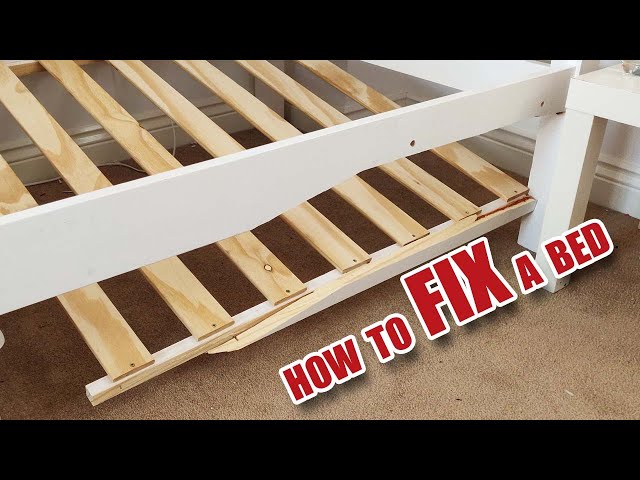
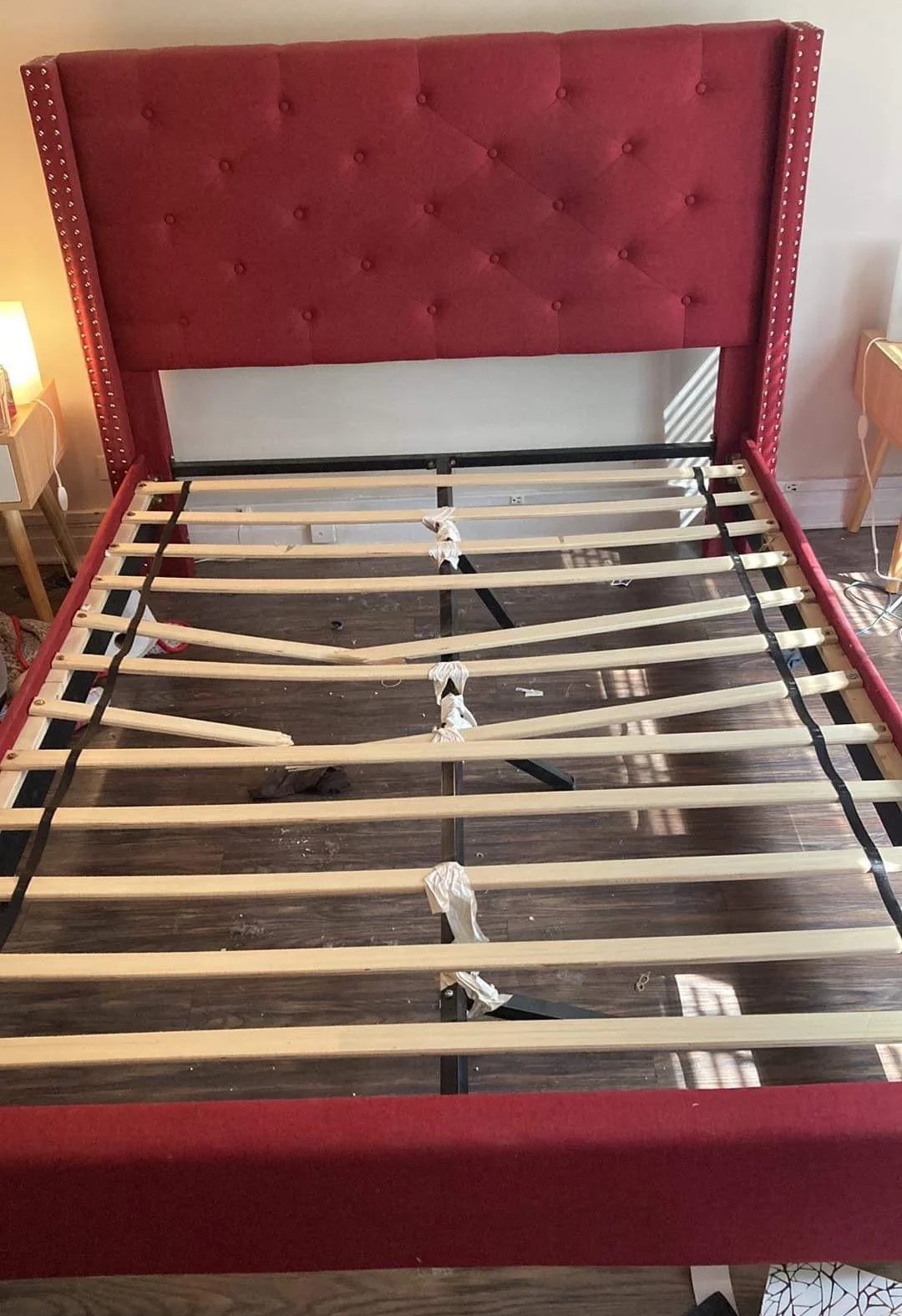
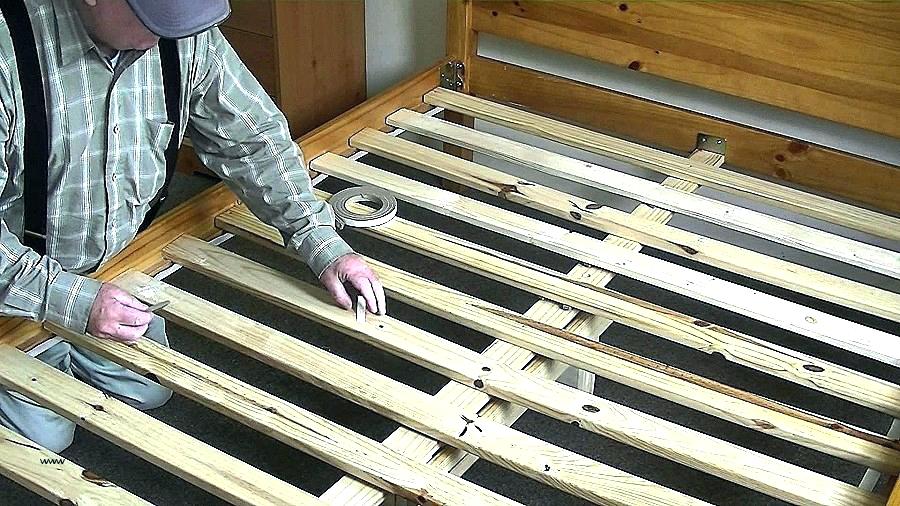
Slats provide crucial support for your mattress, and when they fail, it's immediately noticeable. Common problems include broken slats, slats popping out of the frame, or simply insufficient support, especially for heavier mattresses or individuals.
Replacing broken slats is usually straightforward, but it’s important to match the wood type and dimensions as closely as possible. Securing slats with screws or brackets is a proactive step to prevent them from shifting or falling out. For larger beds, adding a center support beam can significantly increase stability and prevent sagging.
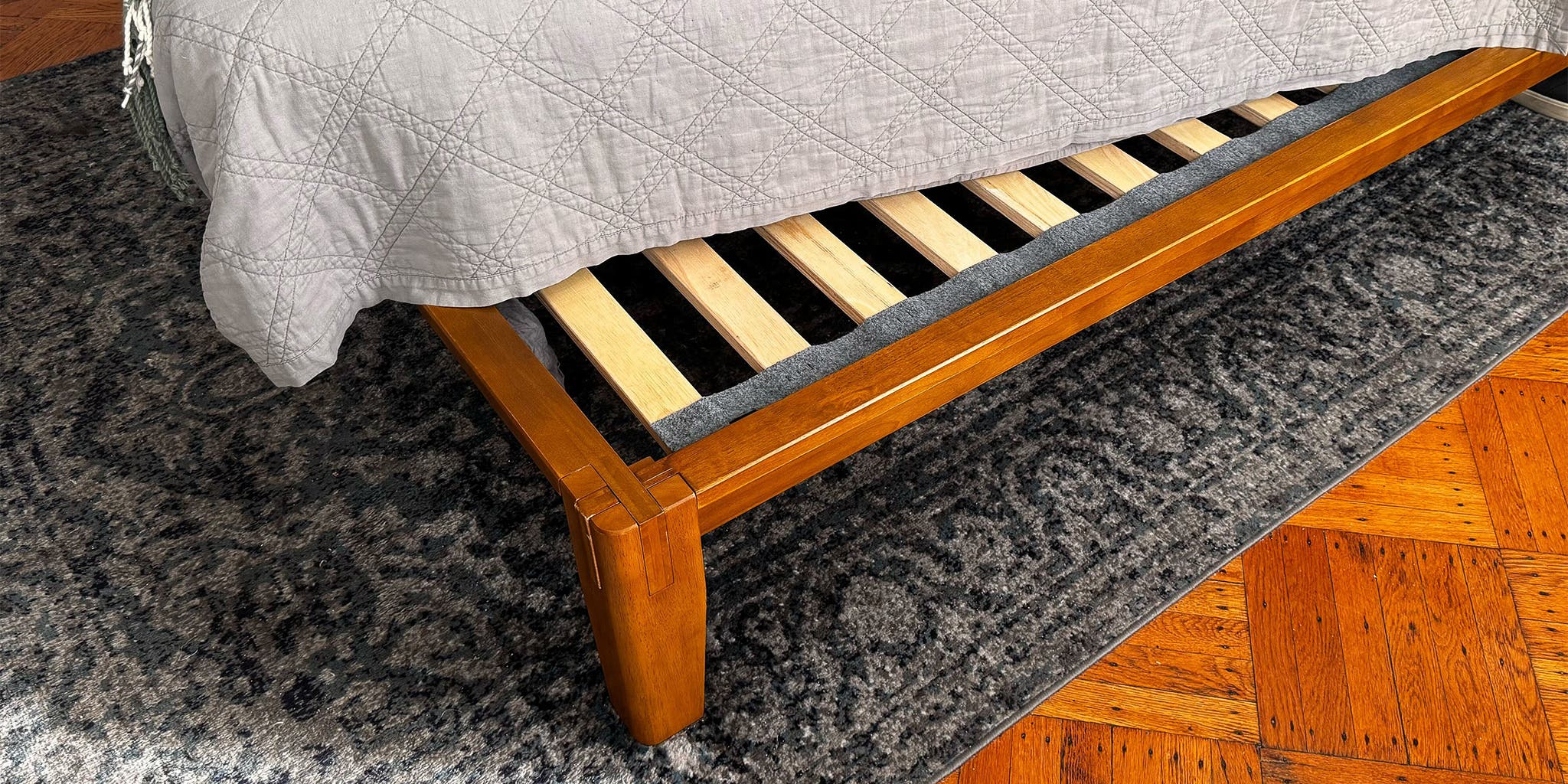
Different slat systems have different vulnerabilities. Some frames use individual slats held in place by plastic caps, which are prone to breaking. Others use a continuous slat system, which can be more durable but still susceptible to sagging over time. I've seen a lot of beds where the slat holders themselves break – that’s a common point of failure.
Broken Rails and Headboards: When to DIY, When to Call a Pro
Dealing with broken rails or headboards is where DIY repairs get tricky. Minor cracks can sometimes be repaired with wood glue and clamps, but more substantial damage often requires professional attention. The That Dad Mike video also offers some guidance on rail repair –
The limitations of DIY repairs are significant. Complex breaks, particularly in load-bearing areas, require specialized tools and expertise. Attempting a repair beyond your skill level can compromise the structural integrity of the bed and create a safety hazard.
It’s important to be realistic about your abilities and the severity of the damage. A poorly executed repair is worse than no repair at all. When in doubt, consult a professional furniture repair service. They can assess the damage and provide a safe and reliable solution.
Which materials actually last?
The material of your bed frame significantly impacts its durability and repairability. Wood frames, particularly those made from solid hardwoods like oak or maple, are known for their strength and longevity. However, they can be susceptible to moisture damage and wood rot. Particleboard frames are less expensive but less durable and harder to repair.
Metal frames offer excellent strength and stability, but they can be prone to bending or rusting. Upholstered frames provide a more luxurious look but require more maintenance to prevent staining and wear. Lifestyle Furniture’s article highlights that lower material quality is a common source of bedframe issues.
Newer materials like engineered wood offer a balance of durability and affordability. These materials are often more resistant to warping and cracking than solid wood. Metal gauge is also important – thicker metal frames are generally more durable than thinner ones.
No comments yet. Be the first to share your thoughts!