

The Rise of Micro-Living
The way we live is changing. Across major cities, we're seeing a significant increase in micro-apartments – units under 400 square feet – and a growing interest in tiny homes. This isn’t just about affordability, though that’s a huge part of it. It's also about a shift in priorities, with many people prioritizing experiences and flexibility over owning large amounts of stuff.
Economic factors are undeniably driving this trend. Urbanization continues, pushing housing costs upwards, and for many, homeownership feels increasingly out of reach. This has led to a surge in rental markets and a demand for efficient, compact living spaces. But it's not solely economic; a desire for minimalism and a rejection of consumerism are also playing a role.
Remote work has further accelerated the need for adaptable homes. If you’re no longer tied to a specific office location, the appeal of a smaller, more affordable living space in a desirable area grows. This change in work patterns means more people are looking for furniture that can multi-task and adapt to different needs, and that's where modular bed frames come in.
What *Is* a Modular Bed Frame?
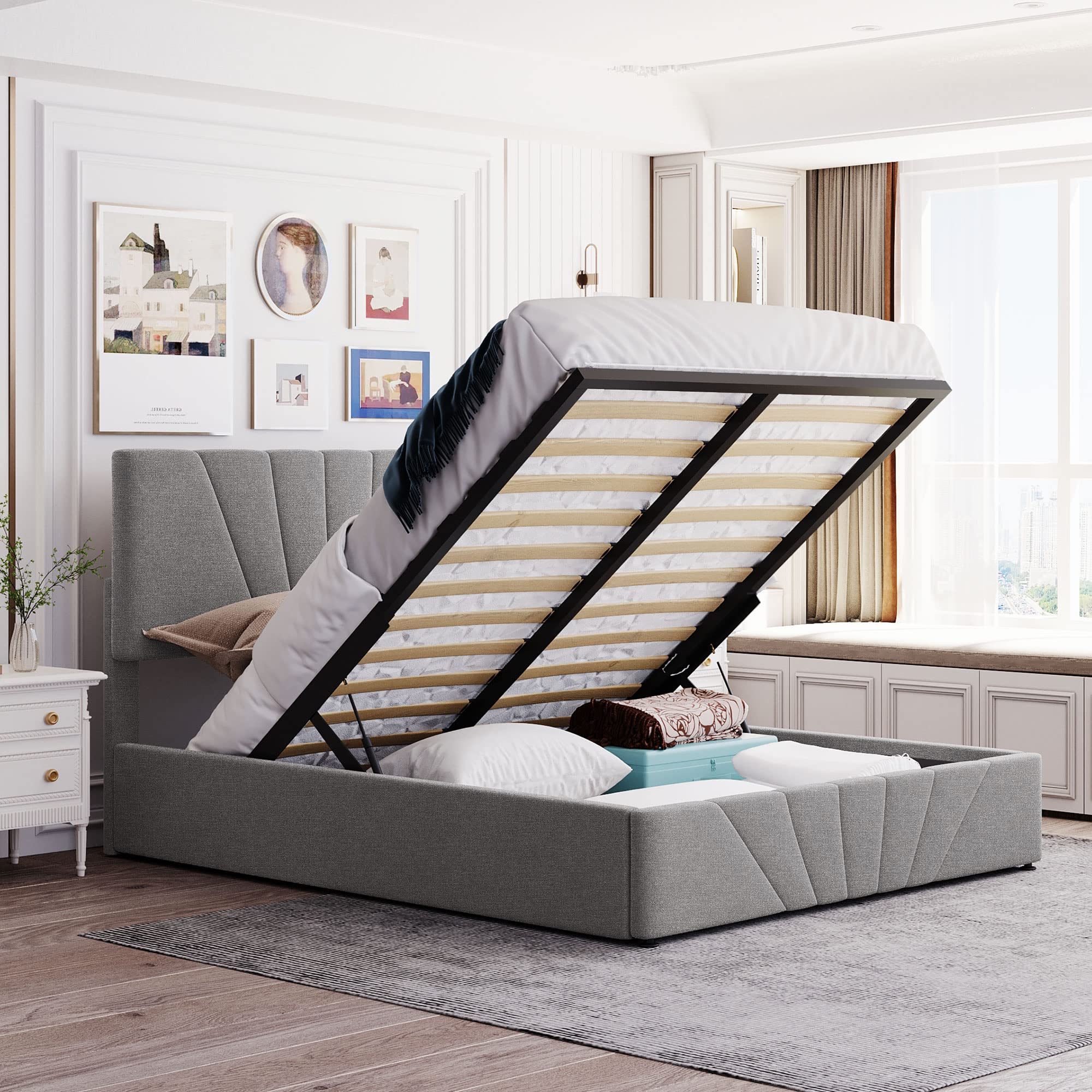
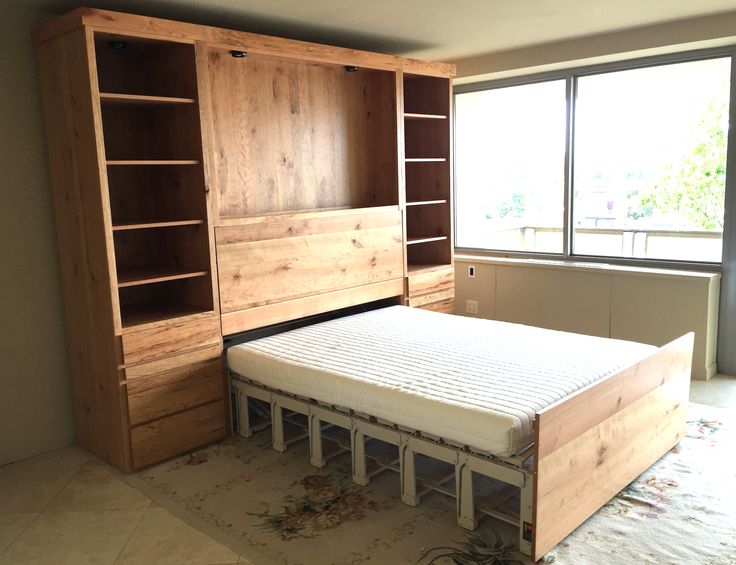
At its simplest, a modular bed frame is designed to be customized and reconfigured. Unlike a traditional bed frame that’s a single, fixed unit, a modular system is built from separate components that can be arranged in different ways. This often includes the headboard, footboard, side rails, and support slats, but the real flexibility comes with add-ons.
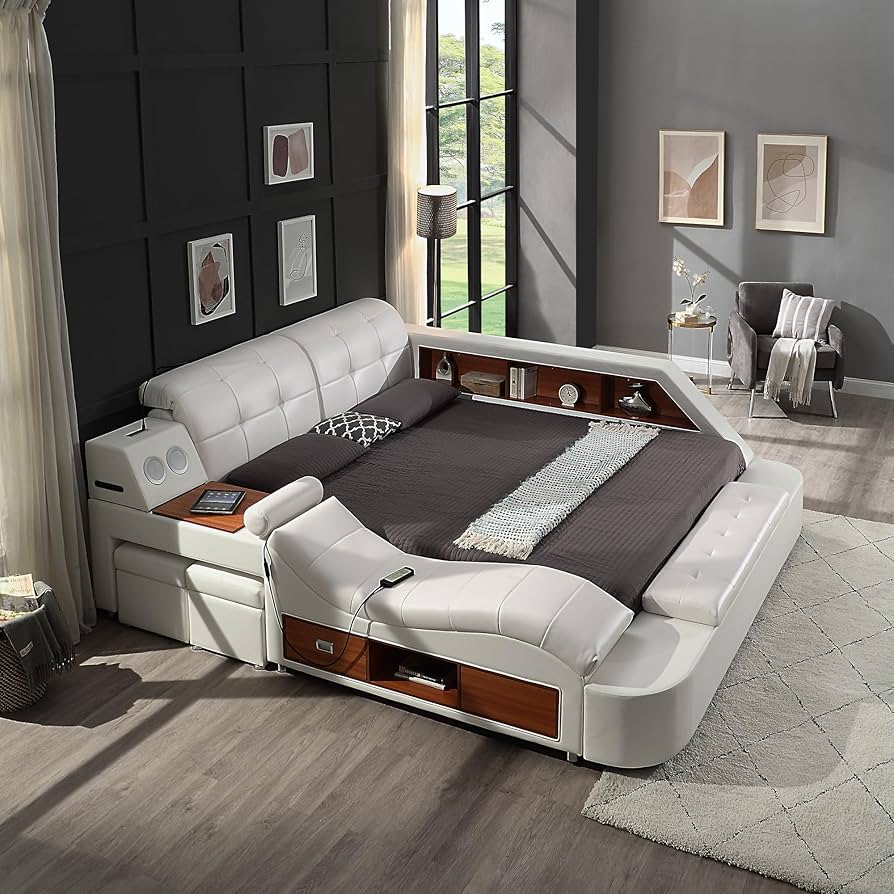
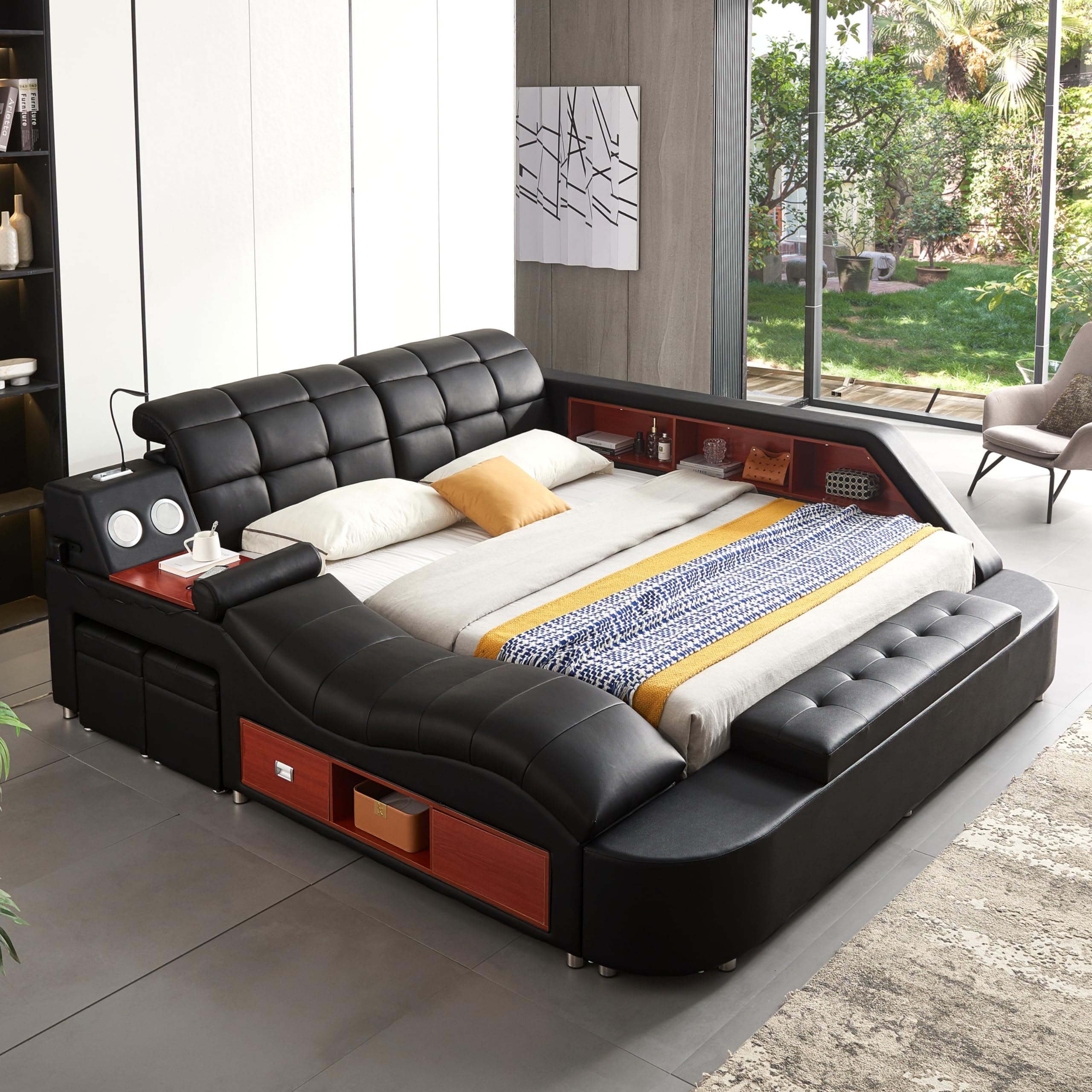
The core components frequently include integrated storage solutions – drawers, shelves, or even hidden compartments. Some systems also allow for the addition of desks, seating areas, or other furniture pieces, essentially transforming the bed frame into a multi-functional hub. It’s important to distinguish between truly modular systems and those that just offer a few pre-set configuration options.
A genuinely modular frame lets you rearrange components without tools or significant effort. You should be able to move drawers from one side to the other, add or remove shelves, and even change the overall dimensions of the bed. Some brands market frames as 'modular' when they simply offer a choice between a queen and a king size – that’s not the same level of flexibility we’re talking about here.
Benefits Beyond Square Footage
The most obvious benefit of a modular bed frame is its space-saving potential. But the advantages extend far beyond just freeing up floor space. These frames offer a level of flexibility that traditional bed frames simply can’t match – adapting to different room layouts, accommodating overnight guests, and evolving with your changing needs.
Integrated storage is a huge win. By incorporating drawers and shelves directly into the bed frame, you can eliminate the need for bulky dressers or chests of drawers. This is particularly valuable in small apartments where every inch counts. A well-designed modular frame can help you minimize clutter and create a more organized living space.
Many modular frames feature a modern, minimalist aesthetic that complements contemporary interiors. They tend to have clean lines and a low profile, making them a good fit for a variety of design styles. And for renters or those who move frequently, the portability of a modular frame is a major advantage. Disassembly and reassembly are generally straightforward, making it easy to take your bed with you.
- Space Saving: Maximizes usable floor space in small living areas.
- Flexibility: Adapts to different room configurations and changing needs.
- Integrated Storage: Reduces clutter and eliminates the need for additional furniture.
- Aesthetic Appeal: Often features a modern and minimalist design.
- Portability: Easy to disassemble and move, ideal for renters.
Benefits of Modular Beds
- Maximize Space – Effortlessly adapt your bedroom to multi-functional use, incorporating storage, seating, or a workspace into the bed’s design.
- Easily Reconfigure – Change your bedroom layout to suit your needs, from a king-size bed to two twins, without needing to purchase a completely new frame.
- Simplify Moving – Disassemble and reassemble quickly and easily, making relocation less stressful. Many systems are designed for tool-free assembly.
- Adapt to Changing Needs – As your lifestyle evolves, your bed can too. Add or remove components to accommodate a growing family or a home office.
- Integrate Smart Home Features – Some modular systems are designed to accommodate under-bed lighting, USB charging ports, or even integrated sound systems for a tech-forward bedroom.
- Optimize Small Spaces – Ideal for studio apartments or tiny homes, these frames utilize vertical space with built-in shelving and storage solutions.
- Customize Your Style – Choose from a variety of materials, colors, and configurations to create a bed frame that perfectly matches your aesthetic.
Materials and Build Quality
The materials used in a modular bed frame significantly impact its durability, weight, cost, and overall aesthetic. Metal frames, typically constructed from steel or aluminum, are known for their strength and longevity. Steel is heavier and generally more affordable, while aluminum is lighter and more resistant to rust, but also typically more expensive.
Wood frames, ranging from solid wood to engineered wood products like plywood and MDF, offer a warmer and more traditional look. Solid wood is the most durable but also the heaviest and most expensive. Engineered wood is more affordable and lighter, but it may not be as resistant to wear and tear. Combinations of metal and wood are also common, offering a balance of strength and style.
A sturdy frame and quality hardware are absolutely essential. Look for frames with reinforced corners, solid wood slats, and durable metal connectors. Pay attention to the weight capacity – make sure the frame can comfortably support your mattress and your weight. A poorly constructed frame can wobble, squeak, and even collapse over time. I’ve seen frames marketed as "heavy duty" that simply don't live up to the claim.
Top Modular Bed Frame Options (2026)
The modular bed frame market is becoming increasingly competitive, with a wide range of options available. Here are a few standouts as of late 2026, keeping in mind that prices are subject to change. It’s worth checking current listings for the most up-to-date information.
Bestar Nova Full/Queen Storage Bed: Available through Bestar.com, the Nova offers a sleek, modern design with integrated drawers and a hidden storage compartment. Price range: $600 - $800. Pros: Excellent storage capacity, stylish aesthetic, relatively easy assembly. Cons: Limited configuration options, may not be ideal for very heavy mattresses.
Wayfair Zinus Josh Modular Platform Bed: A budget-friendly option from Wayfair, the Zinus Josh features a simple design and a low profile. Price range: $250 - $400. Pros: Affordable, easy to assemble, good for smaller spaces. Cons: Limited storage, basic construction, may not be as durable as higher-end options.
Rove Concepts Modular Bed Frame (Wood): Rove Concepts offers a high-end modular system with a focus on quality materials and craftsmanship. Price range: $1500 - $2500. Pros: Exceptional build quality, customizable configurations, stylish design. Cons: Expensive, requires professional assembly in some cases.
West Elm Mid-Century Modern Modular Bed: West Elm’s offering provides a classic mid-century aesthetic with optional storage components. Price range: $900 - $1600. Pros: Stylish, well-made, good integration of storage. Cons: Can be pricey, some assembly required.
IKEA Hemnes Bed Frame with Storage: While not entirely modular in the same way as Rove Concepts, IKEA’s Hemnes offers considerable configuration options with add-on drawers and headboard variations. Price range: $400 - $700. Pros: Affordable, widely available, good storage solutions. Cons: Can require significant assembly, aesthetic is not for everyone.
Thuma The Bed: Known for its minimalist Japanese-inspired design, Thuma uses solid wood and a simple platform construction. Price range: $800 - $1200. Pros: Sustainable materials, easy assembly, durable construction. Cons: Limited storage options, higher price point.
- Remember to check current prices and availability on the respective websites.
- Read customer reviews before making a purchase.
- Consider your specific needs and budget when choosing a frame.
Featured Products

Floating design with integrated LED lighting · Modern platform style with mattress slide stopper · Easy assembly, no box spring required, noise-free construction
This frame offers a sleek, modern aesthetic with convenient features like LED lighting and a mattress stopper, enhancing both style and functionality for smaller living spaces.
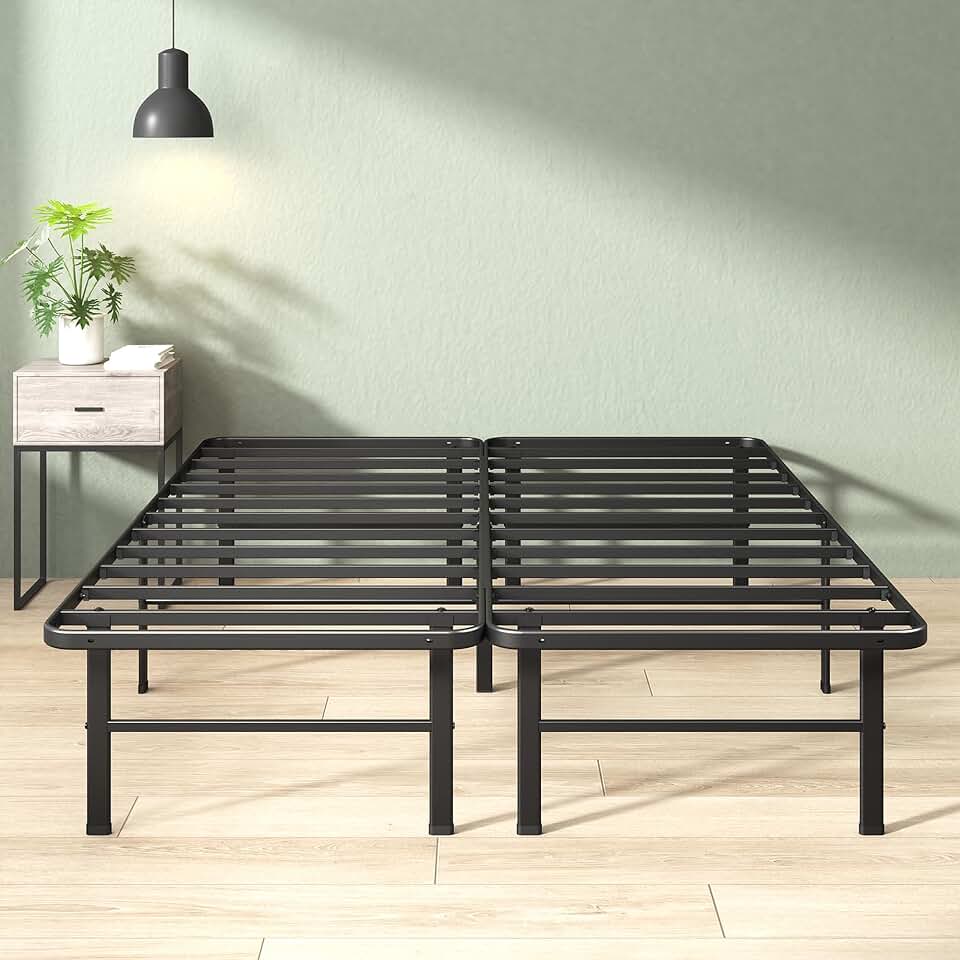
14-inch high sturdy steel construction · Quick assembly SmartBase® mattress foundation · No box spring needed, eco-friendly packaging
The Zinus Rumi provides robust support and a minimalist design, ideal for maximizing space with its no-box-spring requirement and straightforward assembly.

Contemporary faux leather upholstery · Platform design, no box spring needed · Clean lines and modern aesthetic
This upholstered platform bed adds a touch of modern elegance to any room while offering a practical, box-spring-free solution for flexible home design.

16-inch high heavy-duty metal platform · Ample underbed storage space · Easy assembly, noise-free, no box spring needed
The LUMUNANCE Twin XL frame is a highly practical choice for micro-living, offering significant underbed storage and a durable, easy-to-assemble foundation.

14-inch high heavy-duty metal platform · Generous underbed storage space · Easy assembly, noise-free, no box spring needed
This California King frame from LUMUNANCE maximizes space with its substantial underbed storage and sturdy, noise-free design, perfect for adaptable living.
As an Amazon Associate I earn from qualifying purchases. Prices may vary.
Installation and Assembly
Assembly difficulty varies significantly between modular bed frame systems. Some brands, like Zinus, are designed for easy DIY assembly with minimal tools required. Others, particularly those with more complex configurations or high-end materials, may require professional assembly. Always read the instructions carefully before you begin.
Common challenges include aligning the frame components correctly, attaching the slats securely, and ensuring all hardware is tightened properly. It’s helpful to have a second person assist with the assembly process, especially for larger frames. Having the right tools – a screwdriver, a wrench, and potentially a power drill – will also make the job easier.
Most manufacturers offer a return policy if you’re not satisfied with the product. Be sure to check the terms and conditions before you purchase. Warranties typically cover defects in materials and workmanship, but they may not cover damage caused by improper assembly or use. Keep your receipt and warranty information in a safe place.
Long-Term Care and Maintenance
Keeping your modular bed frame in good condition involves regular cleaning and occasional maintenance. For metal frames, simply wipe down the surfaces with a damp cloth and mild detergent. For wood frames, use a wood cleaner and polish to protect the finish. Avoid using harsh chemicals or abrasive cleaners, as these can damage the materials.
Squeaks and loose hardware are common issues that can develop over time. To fix a squeak, try tightening all the bolts and screws. If that doesn’t work, you can apply a small amount of lubricant, such as WD-40, to the joints. Loose hardware should be tightened or replaced as needed. I've found a simple check every six months can prevent bigger problems.
If you need to disassemble and reassemble the frame for moving or reconfiguring, take pictures of the original assembly to help you remember how everything goes back together. Store the hardware in labeled bags to avoid confusion. And always follow the manufacturer's instructions carefully.
Future Trends: Smart & Sustainable Frames
The future of modular bed frame design is likely to be shaped by two major trends: smart technology and sustainability. We're already seeing the emergence of adjustable bases that can be integrated into modular frames, allowing you to customize your sleep position. I anticipate further integration with smart home ecosystems, including built-in lighting, USB charging ports, and even sleep tracking sensors.
The demand for sustainable materials and eco-friendly manufacturing processes is also growing. Manufacturers are increasingly using recycled materials, such as reclaimed wood and recycled metal, and adopting more sustainable production methods. We may see more frames made from bamboo, a rapidly renewable resource.
Personalization and customization will become increasingly important. I expect to see more modular systems that allow you to design your own bed frame, choosing the materials, colors, and configurations that best suit your needs and style. The ability to 3D print components could also open up new possibilities for customized designs.
- Smart Integration: Adjustable bases, built-in lighting, USB charging.
- Sustainable Materials: Recycled materials, bamboo, eco-friendly finishes.
- Personalized Design: Customizable configurations, 3D-printed components.
No comments yet. Be the first to share your thoughts!