

The shift from adjustable bases to active management
For years, the idea of a "smart bed’ meant an adjustable base – you could raise your head or feet. That’s still part of the picture, but the field is moving far beyond simple mechanics. We’re entering an era where beds aren’t just reacting to your body, they’re actively managing your sleep environment, and even attempting to improve the sleep itself. It’s a significant shift from relying on data gathered by wrist-worn fitness trackers and apps to analyze sleep after it"s happened.
Companies like Sleep Number have been experimenting with adjustable air chambers for years, but now we're seeing a wave of new players focused on integrated sensors and AI. Eight Sleep, for example, offers a mattress cover with temperature regulation and sleep tracking. BedMart carries bases like the X3 Bedsmart Base, demonstrating the growing interest in tech-integrated sleep systems. Amazon.com shows a wide selection of 'smart beds' though many are simply adjustable bases currently.
The focus is changing. It’s not enough to know you had a restless night; the goal is to understand why and to adjust conditions to prevent it from happening again. This is where artificial intelligence comes into play. The beds are becoming more than just a place to rest – they’re becoming sophisticated sleep labs, all within the confines of your bedroom. This trend is accelerating, and the innovations we see today are just a prelude to what’s coming by 2026.
We’re at a point where the technology is becoming more accessible, though still premium. It's no longer science fiction to think about a bed that understands your sleep needs better than you do. The next few years will be about refining that understanding and translating it into truly effective sleep solutions.

How beds analyze your data
The core of a smart bed isn’t the adjustable base or the temperature control – it’s the data collection and analysis. These beds are equipped with a suite of sensors designed to monitor a wide range of physiological signals. Heart rate variability (HRV) is a big one, providing insights into your nervous system activity and stress levels. They’re also tracking respiration rate, movement throughout the night, and even skin temperature.
But simply collecting data isn’t enough. The real power comes from how that data is analyzed. The newest beds aren’t just sending raw data to an app for you to interpret; they’re processing it within the bed itself, using AI algorithms to identify patterns and make real-time adjustments. This move toward "edge computing" is important for both privacy and responsiveness.
The goal is to move beyond reactive analysis to a closed-loop system. Imagine a bed that detects you’re entering a light sleep stage and subtly adjusts the firmness of your mattress to promote deeper sleep. Or one that senses your body temperature rising and automatically lowers the temperature of the bed. This kind of personalized, dynamic adjustment is becoming increasingly feasible.
We're beginning to see the potential for personalized "sleep recipes’ – customized settings tailored to your individual needs and preferences. These recipes might adjust firmness, temperature, and even incline based on your sleep history, daily activity levels, and even data from other connected devices. It"s about creating an optimal sleep environment that's uniquely yours.
Frame Integration: The Hardware Evolves
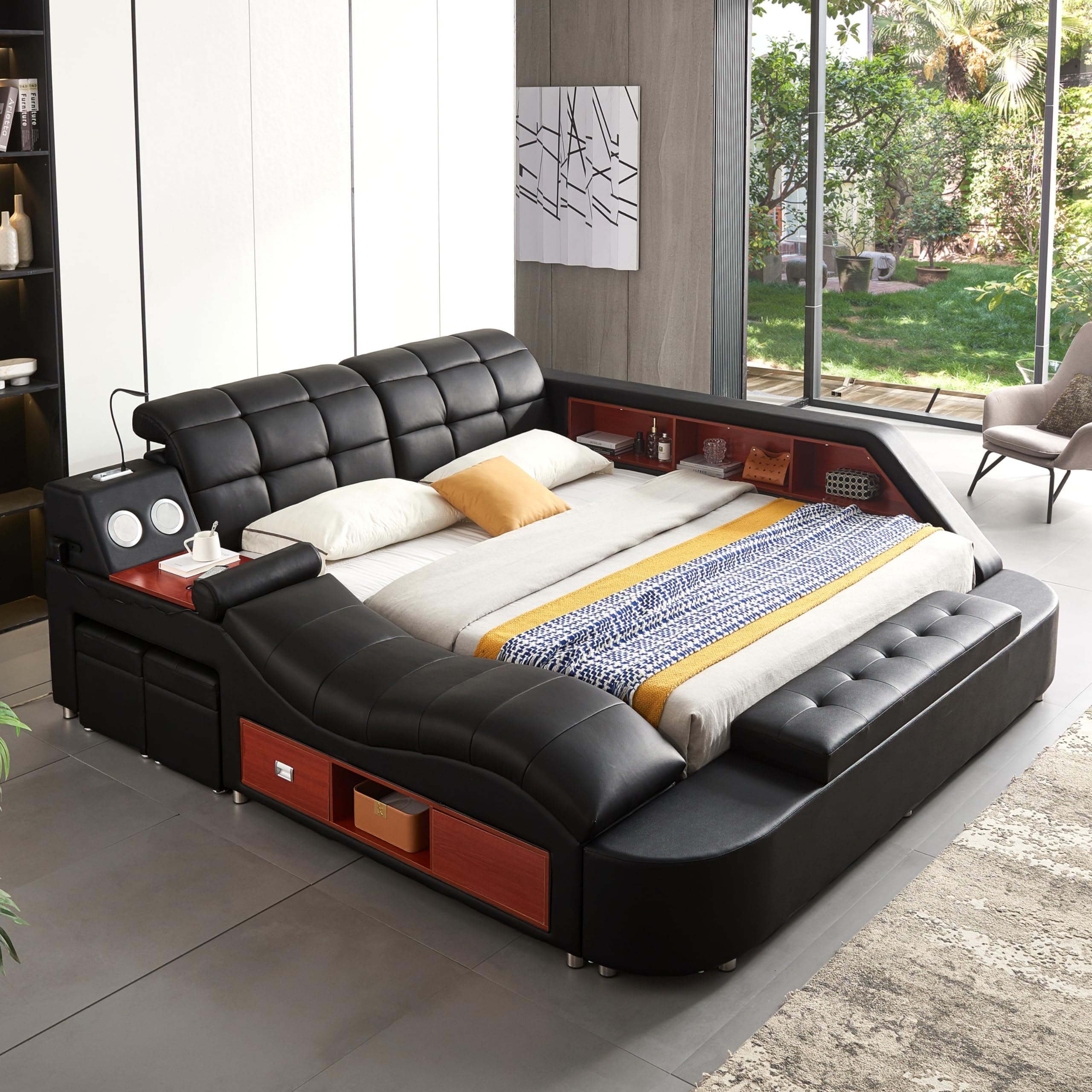
The bed frame itself is no longer just a supporting structure; it’s becoming an integral part of the sleep technology. Sensor integration is key. Manufacturers are embedding sensors directly into the frame’s construction to accurately track movement and pressure distribution. This built-in approach is more reliable than relying solely on sensors placed on the mattress.
Materials are also evolving. We’re seeing more use of responsive foams and materials designed to optimize data collection and responsiveness. Some frames incorporate dynamic pressure mapping, allowing the bed to adjust firmness in specific zones based on your body weight and sleeping position. This is a big step up from simply adjusting the overall firmness of the mattress.
Localized heating and cooling are also becoming more sophisticated. Instead of simply warming or cooling the entire bed, some frames can target specific areas, like your feet or lower back, providing personalized temperature regulation. This is particularly beneficial for people who suffer from cold feet or lower back pain.
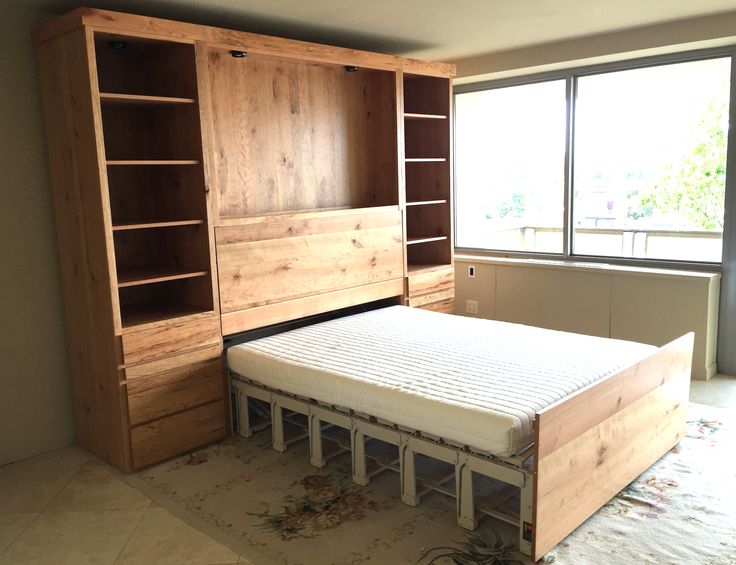
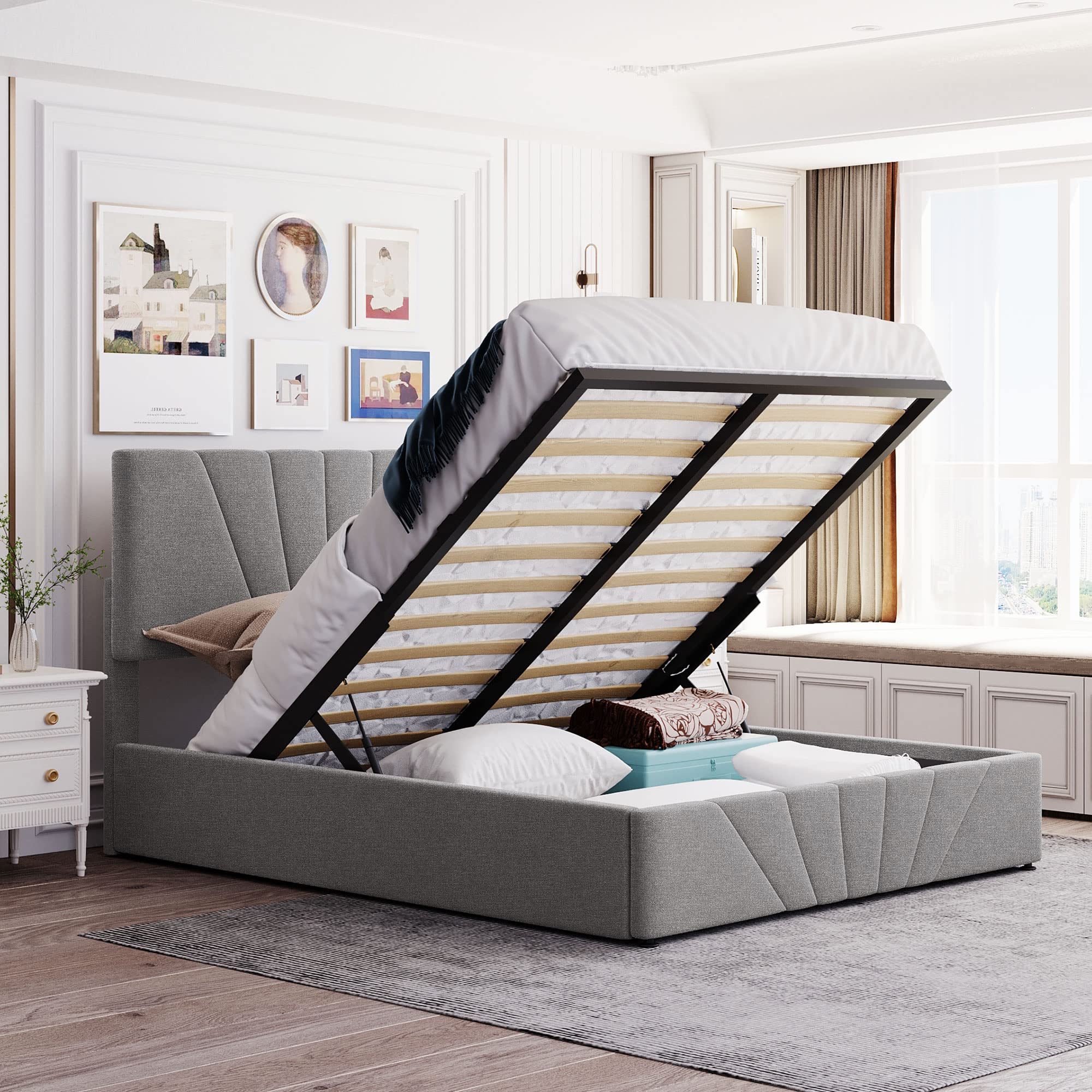
I’m noticing a trend toward more modular designs. The ability to easily upgrade components – sensors, actuators, even the mattress itself – will be crucial for extending the lifespan of these beds and keeping them up-to-date with the latest technology. It’s a smart way to avoid having to replace the entire bed every few years.
Smart Bed Frame Material Comparison: Integration & Performance
| Material | Sensor Integration | Durability | Noise | Cost |
|---|---|---|---|---|
| Wood | Fair | Good | Good | Moderate to High |
| Metal | Excellent | Excellent | Fair | Moderate |
| Hybrid (Metal & Wood) | Good | Excellent | Fair | High |
| Metal (Steel) | Excellent | Excellent | Poor | Moderate |
| Wood (Solid Hardwood) | Fair | Excellent | Good | High |
| Metal (Aluminum) | Good | Good | Excellent | Moderate to High |
Illustrative comparison based on the article research brief. Verify current pricing, limits, and product details in the official docs before relying on it.
Connectivity and Ecosystems: The Smart Home Bed
A smart bed in 2026 won’t exist in isolation. It will be seamlessly integrated into the wider smart home ecosystem. Integration with health platforms like Apple Health and Google Fit is already happening, allowing you to share your sleep data with other health and wellness apps. Amazon Alexa integration is also becoming common, allowing you to control bed settings with voice commands.
IFTTT support lets the bed talk to the rest of the house. If the sensors see you've fallen asleep, they can trigger the thermostat to drop or the front door to lock. It's a practical way to automate a bedtime routine without touching a phone.
However, connectivity also raises security concerns. Having a bed connected to the internet opens up potential vulnerabilities to hacking. It’s essential that manufacturers prioritize security and implement robust measures to protect your data. Local processing, where data is analyzed on the bed itself rather than being sent to the cloud, can help mitigate some of these risks.
The debate between local processing and cloud dependency will continue. Local processing offers greater privacy and responsiveness, but cloud-based analysis allows for more sophisticated algorithms and data aggregation. Finding the right balance will be key.
Predictions for 2026
By 2026, I expect to see significantly more sophisticated biometric monitoring. We’re already seeing heart rate and respiration rate tracking, but I believe we’ll start to see brainwave sensing (EEG) built directly into the bed. This would allow for incredibly detailed analysis of sleep stages and could potentially be used to optimize sleep cycles in real-time.
Predictive sleep adjustments will become the norm. The bed won’t just react to your current state; it will anticipate your needs based on your daily schedule, stress levels, and even weather patterns. Imagine the bed adjusting its firmness and temperature based on a particularly stressful day at work.
Seamless integration with telehealth services is another likely development. The bed could automatically share your sleep data with your doctor, allowing for more informed and personalized treatment plans. This could be particularly valuable for people with sleep disorders.
I think we’ll also see a shift towards subscription models for software and data analysis. The initial cost of the bed might be lower, but you’ll pay a monthly fee for access to advanced features and personalized insights. This model allows manufacturers to continuously improve their algorithms and offer new services.
Full-body haptic feedback for sleep enhancement feels a bit further off. While the idea of using gentle vibrations to promote relaxation and deeper sleep is intriguing, the technology isn’t quite there yet. It’s a challenging area, and I’m not sure we’ll see widespread adoption by 2026.
Ultimately, the smart bed of 2026 will be a highly personalized and proactive sleep system, designed to optimize your sleep quality and improve your overall health.
- Built-in EEG sensors for brainwave tracking
- Predictive sleep adjustments
- Telehealth integration
- Subscription-based software
- Advanced temperature regulation
Cost and Accessibility: The Price of Better Sleep
Let’s be honest: these beds are expensive. Currently, a fully-featured smart bed can easily cost several thousand dollars. Sleep Number beds, for example, range from around $1,000 to $10,000 or more, depending on the features and size. Eight Sleep’s Pod 3 Cover starts around $2,000. This puts them out of reach for many consumers.
By 2026, I expect prices to come down somewhat, but I don’t anticipate a dramatic drop. The cost of the sensors, actuators, and AI software will still be significant. However, increased competition and economies of scale could help make them more affordable.
We’re likely to see the rise of "smart bed components" – individual sensors, actuators, and controllers that can be added to existing frames. This would allow consumers to upgrade their current beds without having to replace the entire system. This seems like a very practical approach to making the technology more accessible.
There’s also the potential for insurance companies to cover some of the cost of smart beds, particularly for people with diagnosed sleep disorders. If these beds can demonstrably improve sleep quality and reduce healthcare costs, insurers may be willing to offer discounts or reimbursements.
Content is being updated. Check back soon.

No comments yet. Be the first to share your thoughts!