

Bed frame problems in 2026
I remember the first time a bed frame failed me. It wasn't a dramatic collapse, just a persistent squeak that drove me to the brink of madness. But bed frame issues in 2026 are a different beast altogether. We’re not simply dealing with loose screws and worn wood anymore.
The market has exploded with adjustable bases, smart frames that track your sleep, and increasingly complex designs. These features are fantastic, but they introduce new potential points of failure. While the convenience and data are appealing, they also mean a repair might involve software updates or motor replacements, not just a hammer and some wood glue.
You can still fix most of these yourself. A loose bolt is a loose bolt, even on a $3,000 smart base. But I draw the line at frayed wiring or cracked hydraulic pistons. If the fix involves a circuit board, you'll likely need a technician.
Stopping the squeak
Let’s start with the classic annoyance: the squeaky bed frame. This is often the first sign something is amiss, and thankfully, frequently the easiest to address. The root cause is almost always friction – wood rubbing against wood, or metal on metal. Identifying the source of the squeak is the first step.
Tightening bolts is a good starting point, but understanding why it works is helpful. Bed frames rely on a combination of lag bolts, carriage bolts, and standard machine screws to hold everything together. Over time, vibrations loosen these fasteners. Tightening them restores the clamping force, eliminating the movement that causes the sound. Don't overtighten; you could strip the threads.
Rub beeswax on wood joints. It stays dry and won't gunk up with dust. Silicone spray works for metal, but keep it away from the fabric. Avoid WD-40; it's a solvent that attracts grime, which eventually makes the noise louder.
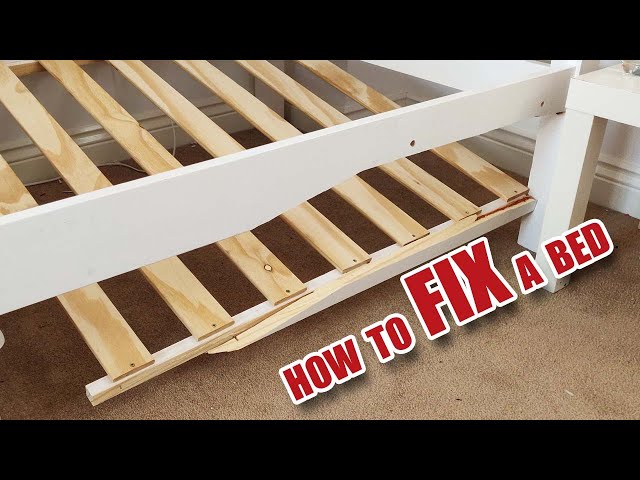
For more substantial issues, like a broken bed rail, That Dad Mike on YouTube demonstrated a clever DIY fix in a 2020 video. He showed how to reinforce a failing rail with some additional wood and screws, a solution when a full replacement isn’t immediately feasible.
Broken Rails and Slats: Structural Repairs
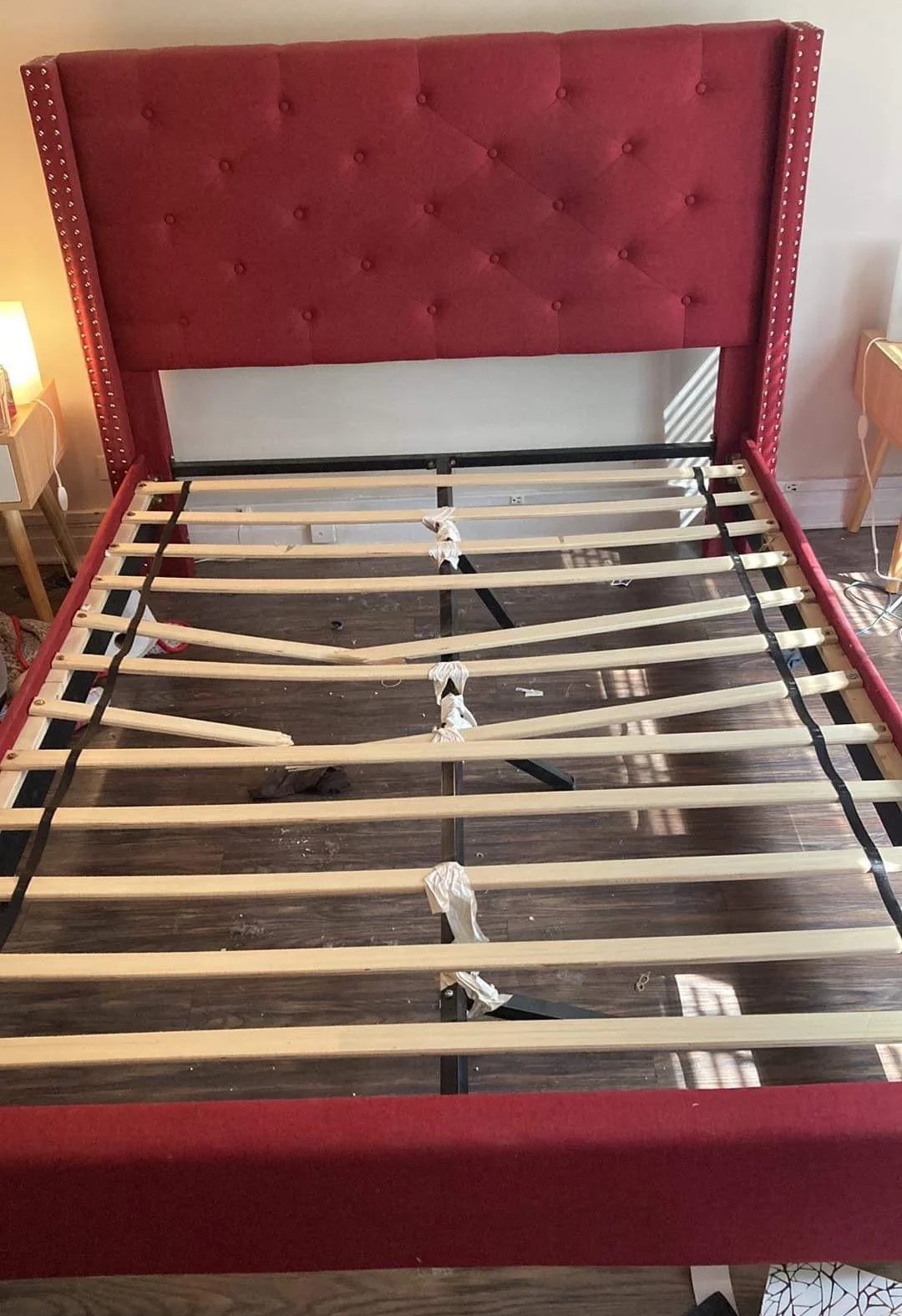
Beyond the irritating squeak, you might encounter more serious structural problems. Broken bed rails, often caused by stress or impact, are a common issue. A split in the wood can sometimes be repaired with wood glue and clamps, allowing the glue to fully cure before putting the frame back in use. For more significant breaks, reinforcing the rail with metal brackets is a good option.
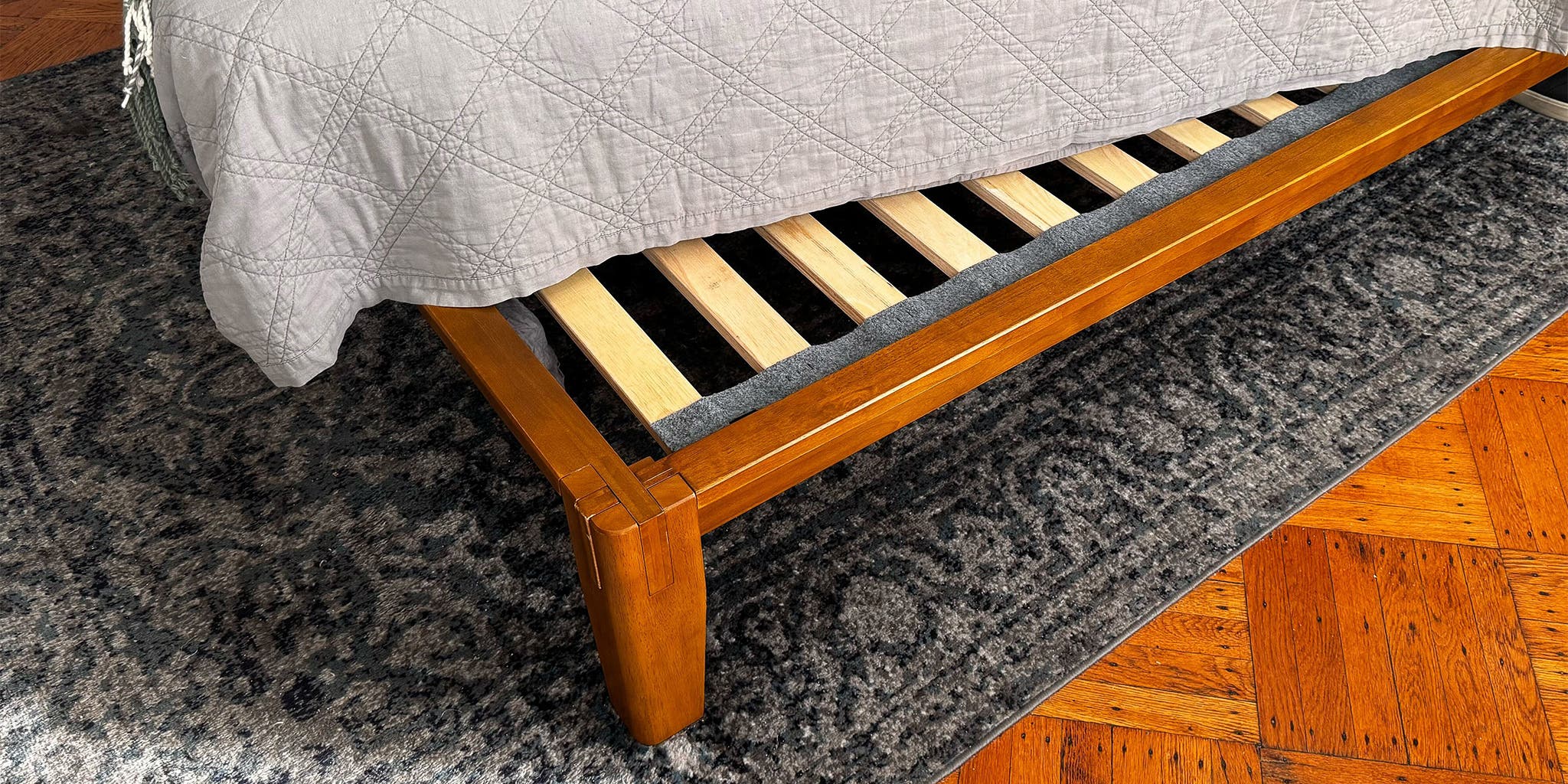
Broken or missing slats are another frequent concern. Slats provide essential support for the mattress and are crucial for even weight distribution. Without adequate slat support, your mattress can sag, leading to discomfort and potential damage. Replacing broken slats is relatively straightforward.
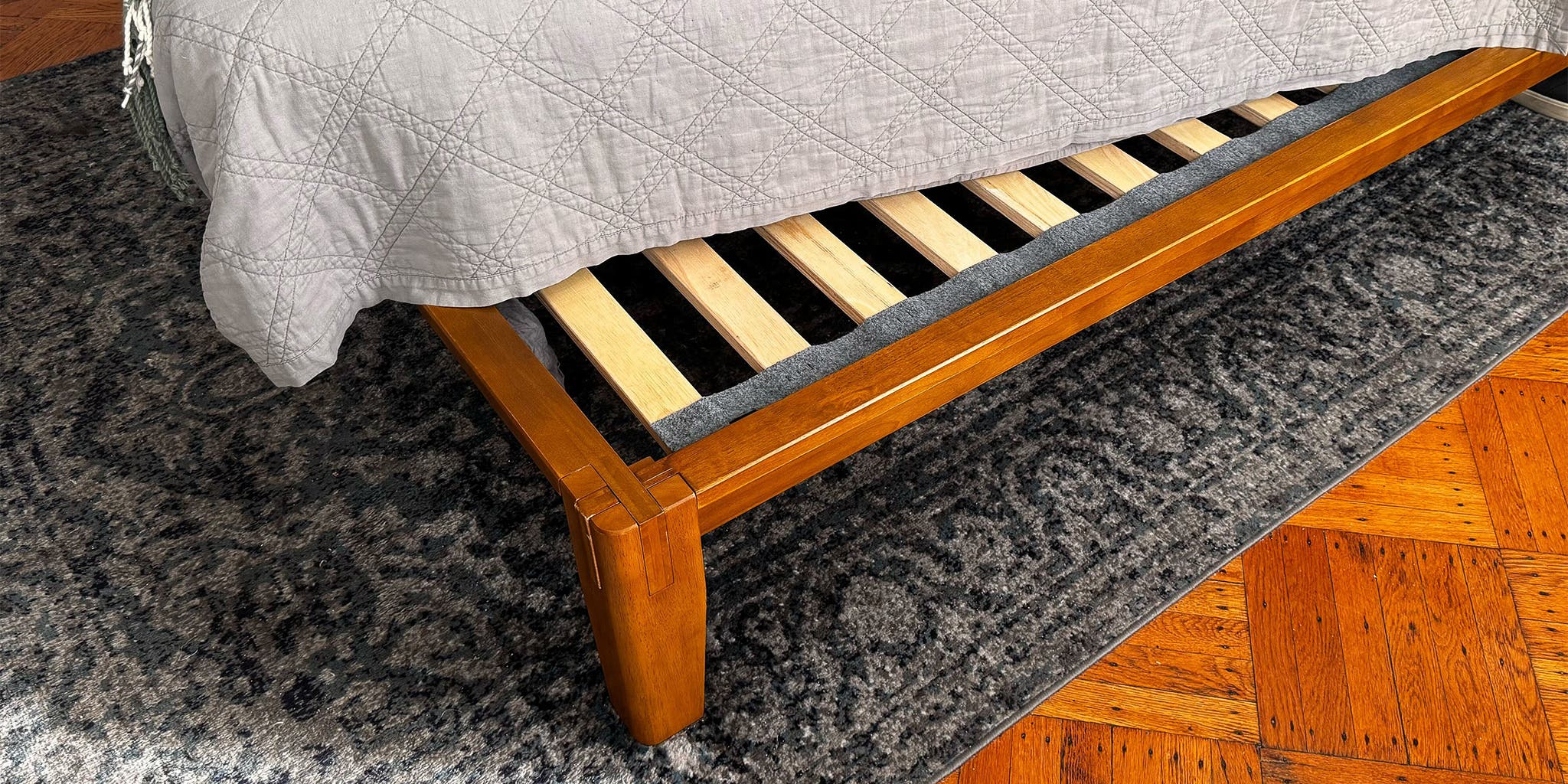
When replacing slats, consider the material. Traditional wood slats are affordable, but metal slats offer greater durability. Flexible slats, often made of bent plywood or plastic, conform to your body and provide a more responsive feel. Ensure proper spacing between slats – typically no more than 3-4 inches – to prevent mattress sagging.
However, if the frame is severely damaged – multiple broken rails, a completely collapsed foundation – it might be more cost-effective to replace the entire frame. Weigh the cost of materials and your time against the price of a new frame before committing to a complex repair.
Fixing adjustable base motors
Adjustable bases are becoming increasingly popular, offering customizable comfort and support. But with added complexity comes new potential points of failure. Common problems include motor malfunctions, remote control issues, and synchronization problems, where one side of the base moves differently than the other.
Troubleshooting basic motor issues starts with the obvious: check the power supply. Ensure the base is properly plugged in and that the outlet is working. Many bases also have a reset button – consult the manufacturer's instructions for its location and how to use it. If the remote isn’t working, try replacing the batteries.
Repairing the motor itself is often best left to professionals. These mechanisms are intricate and can be dangerous to work with. Disassembling the base can void the warranty, so proceed with caution. The cost of a new motor can sometimes be comparable to the cost of a new base.
Following the manufacturer’s maintenance instructions is crucial. Regular cleaning and inspection can help prevent minor issues from escalating into major problems. Keep the area around the base clear of obstructions to avoid strain on the motor.
Smart frame software and connectivity
Smart bed frames take adjustability a step further, adding features like sleep tracking, automatic adjustments, and integration with other smart home devices. But these features also introduce a new set of potential problems: software glitches, connectivity issues, and sensor malfunctions.
Basic connectivity problems can often be resolved by restarting your Wi-Fi router and re-pairing the frame with the app. Ensure the frame is within range of your Wi-Fi signal and that you’ve entered the correct password. Check for app updates, as manufacturers often release updates to address bugs and improve performance.
Software bugs can be more challenging to fix. Often, the only solution is to contact the manufacturer and hope for a software update. Regularly check the manufacturer’s website or app for updates.
Check the privacy settings. These frames track when you're in bed and how you move. If you don't want your sleep data on a corporate server, stick to a manual frame.
Foundation Failures: Box Springs and Platforms
Don't overlook the foundation! A failing foundation can undermine even the most expensive mattress and frame. Traditional box springs are prone to sagging and broken coils over time. Reinforcing a sagging box spring with additional support slats can provide temporary relief, but replacement is often the best long-term solution.
Platform beds, while often more durable, can also experience problems. Loose boards or a wobbly frame can indicate structural issues. Tightening screws and adding corner braces can help stabilize the frame. A solid foundation is essential for proper mattress support and preventing premature wear.
The trend towards minimalist platform beds, with fewer support structures, can potentially increase stress on the frame. Regularly inspect the frame for signs of wear and tear, and address any issues promptly. Choosing a platform bed made from high-quality materials can help ensure its longevity.
Preventative Maintenance: Extending Your Frame’s Life
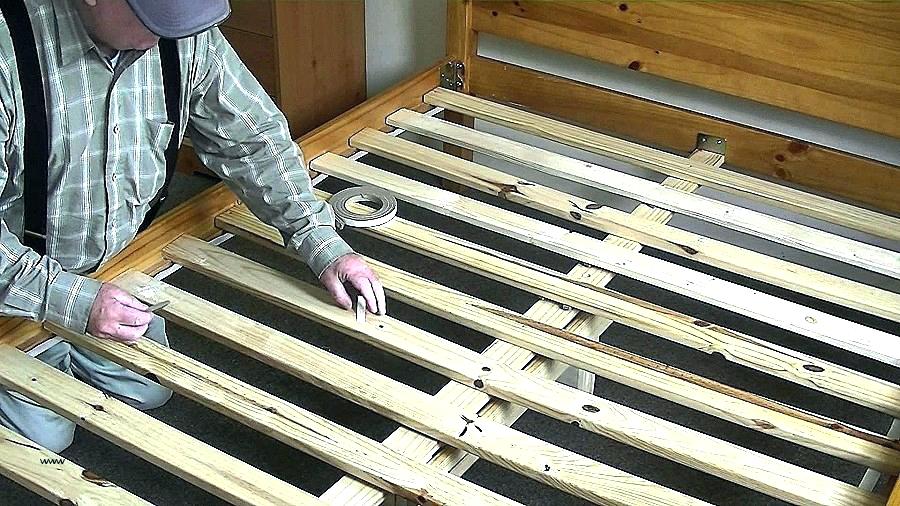
The best way to avoid costly repairs is to practice preventative maintenance. Regularly tighten bolts and screws, lubricate joints, and inspect slats for damage. A quick monthly check can catch small problems before they become major headaches.
Proper mattress rotation and flipping are also crucial. Rotating your mattress 180 degrees every few months helps distribute wear evenly. Flipping your mattress (if it’s designed to be flipped) can further extend its lifespan. Consult the mattress manufacturer’s instructions for specific recommendations.
Protecting your frame from moisture and extreme temperatures is also important. Avoid placing your bed in a damp or humid environment. Direct sunlight can also damage the frame over time. A little preventative care can save you a lot of money and hassle.
No comments yet. Be the first to share your thoughts!