

What memory foam needs
Memory foam is soft. It molds to your body and relieves pressure, but it lacks the internal structure of an innerspring or latex mattress. Because it doesn't have its own frame, it needs a solid base to keep from sagging.
The conforming nature of memory foam is both a blessing and a curse. It’s what makes it comfortable, but it also means the mattress will take the shape of whatever surface it’s placed on. Put it directly on the floor, and over time, you'll likely see noticeable indentations where you sleep. This isn’t just a cosmetic issue, either. Consistent lack of support can lead to premature wear and tear, and, importantly, can void your mattress warranty.
Most warranties require a specific support system. Usually, this means a flat, even surface. If you use a weak frame, the manufacturer might not cover a replacement if the foam fails. A sturdy base is a requirement for the warranty to stay valid.
The case for platform beds
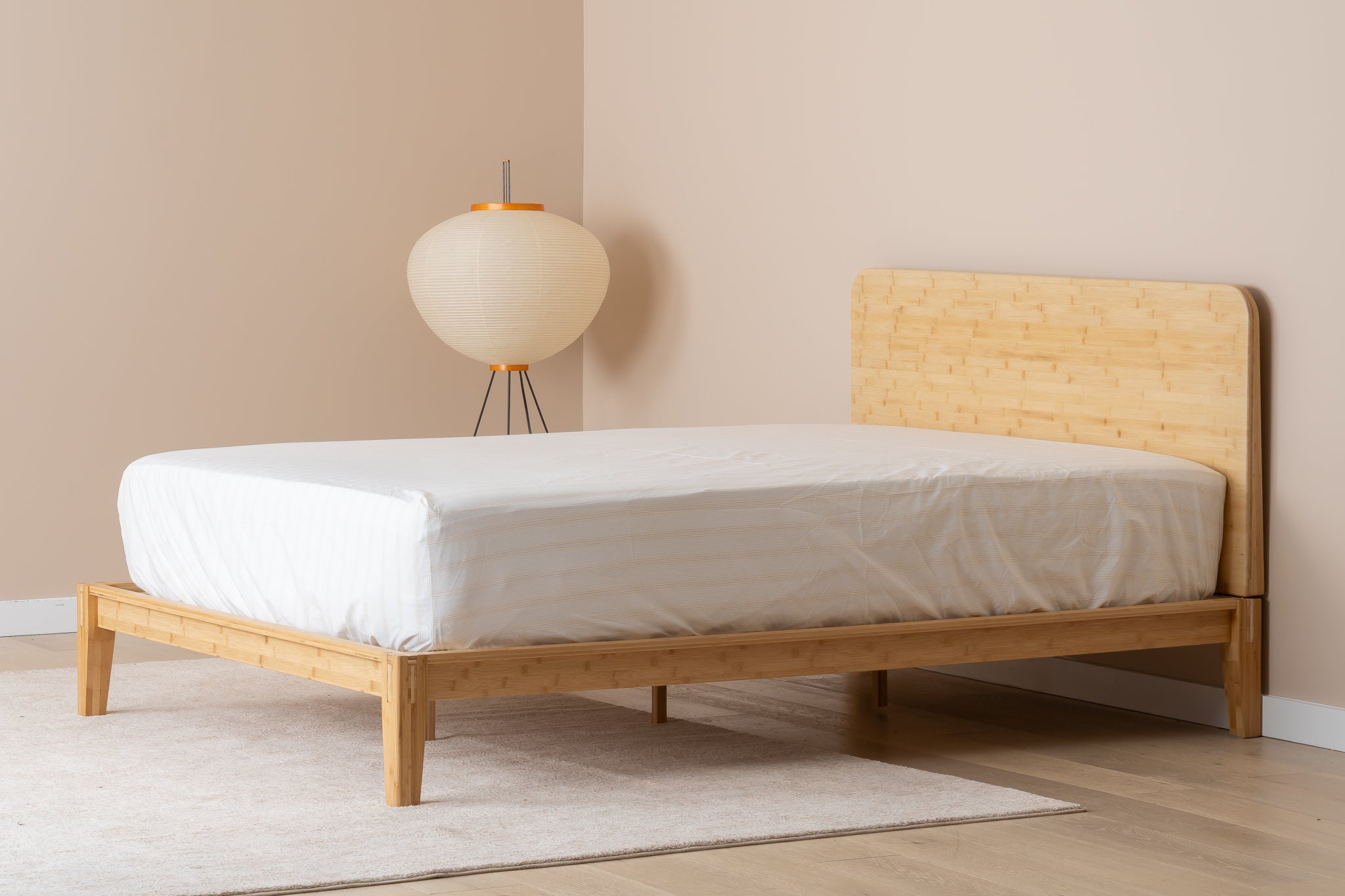
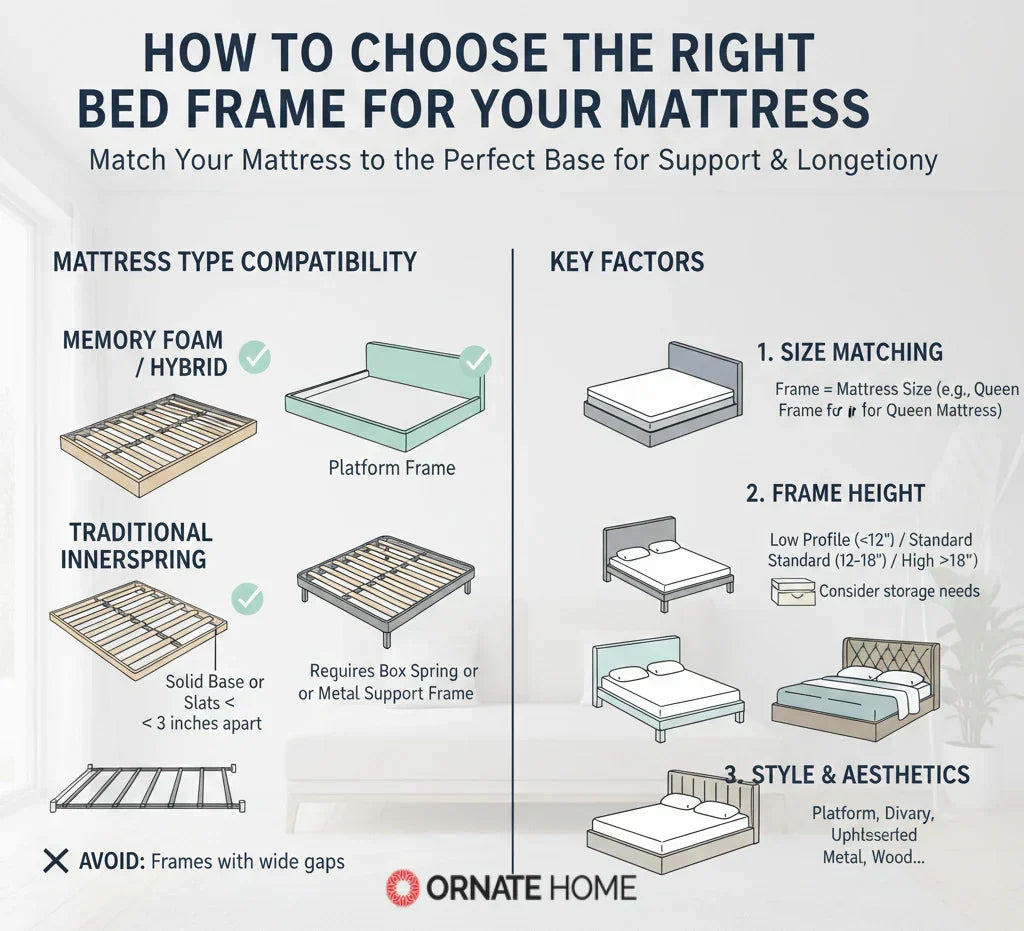
Platform beds work well with memory foam because they use a solid surface or tight slats. This setup removes the need for a box spring entirely.
Platform beds come in a wide range of materials, each with its own pros and cons. Wood platforms offer a classic look and feel, while metal frames tend to be more durable and often more affordable. Composite materials, often a combination of wood and metal, aim to offer the best of both worlds. The price point can vary dramatically, from under $100 for a basic metal frame to several hundred dollars for a high-end wood design.
Beyond their suitability for memory foam, platform beds offer other benefits. They’re often easier to assemble than traditional bed frames, and their minimalist design fits well with modern aesthetics. However, they aren't perfect. Some can be quite heavy, making them difficult to move, and the solid base often limits under-bed storage. Brands like Floyd Home have become known for their stylish and durable platform bed frames, focusing on modularity and ease of assembly.
One thing to consider is the weight capacity of the platform bed. Memory foam mattresses, especially queen and king sizes, can be quite heavy. Ensure the frame you choose can comfortably support the weight of the mattress and the sleepers. Checking customer reviews can give you real-world insight into a frame's sturdiness and weight-bearing capabilities.
- Wood frames provide a traditional look but usually cost more.
- Metal options are durable and generally cheaper.
- Composite: A blend of wood and metal for combined benefits.
Featured Products

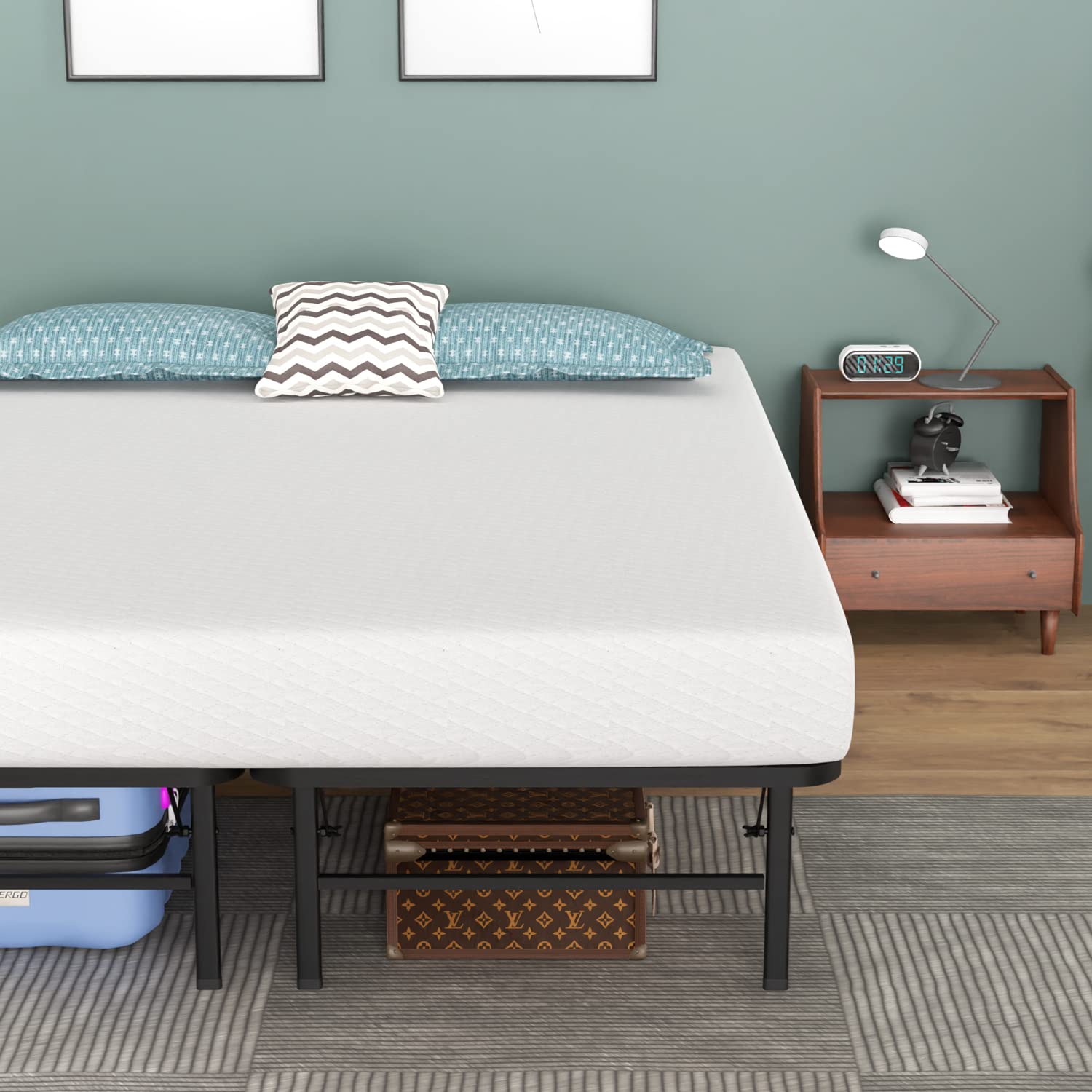
14-inch height provides ample underbed storage space. · Tool-free assembly for quick setup. · Sturdy steel construction supports up to 800 pounds.
This highly-rated platform bed frame offers excellent support for memory foam mattresses, ensuring a comfortable and durable sleep setup without the need for a box spring.

Features floating center support legs for a clean, modern look. · Easy tool-free setup for convenient assembly. · Durable wooden support slats hold up to 800 pounds.
This highly-rated platform bed frame offers excellent support for memory foam mattresses, ensuring a comfortable and durable sleep setup without the need for a box spring.

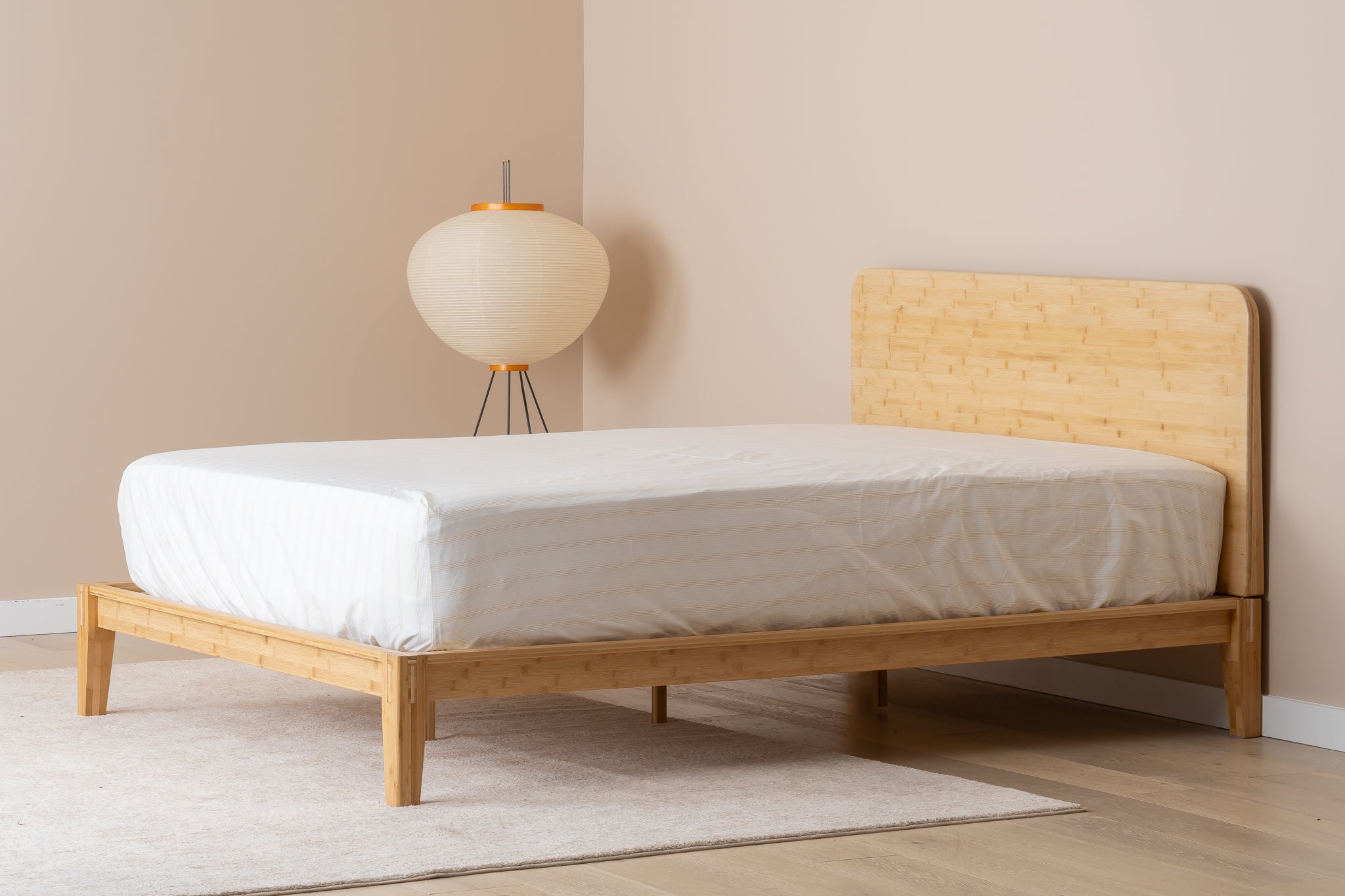
Designed to provide optimal support for Casper mattresses. · Offers a clean, low-profile foundation. · Durable construction ensures long-lasting use.
This highly-rated platform bed frame offers excellent support for memory foam mattresses, ensuring a comfortable and durable sleep setup without the need for a box spring.
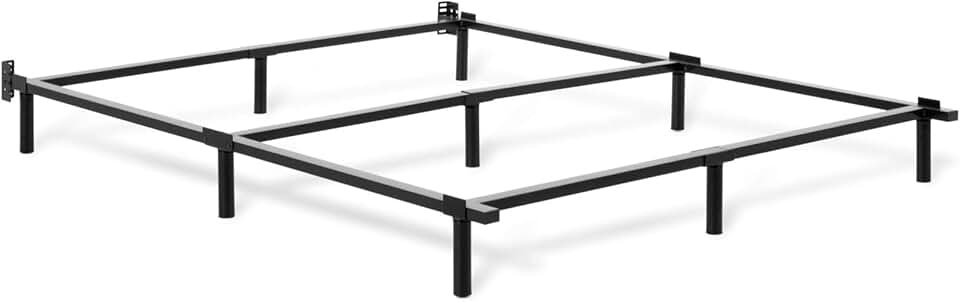
Simple, tool-less assembly for hassle-free setup. · Durable powder-coated black steel frame. · GREENGUARD Gold Certified for low chemical emissions.
This highly-rated platform bed frame offers excellent support for memory foam mattresses, ensuring a comfortable and durable sleep setup without the need for a box spring.
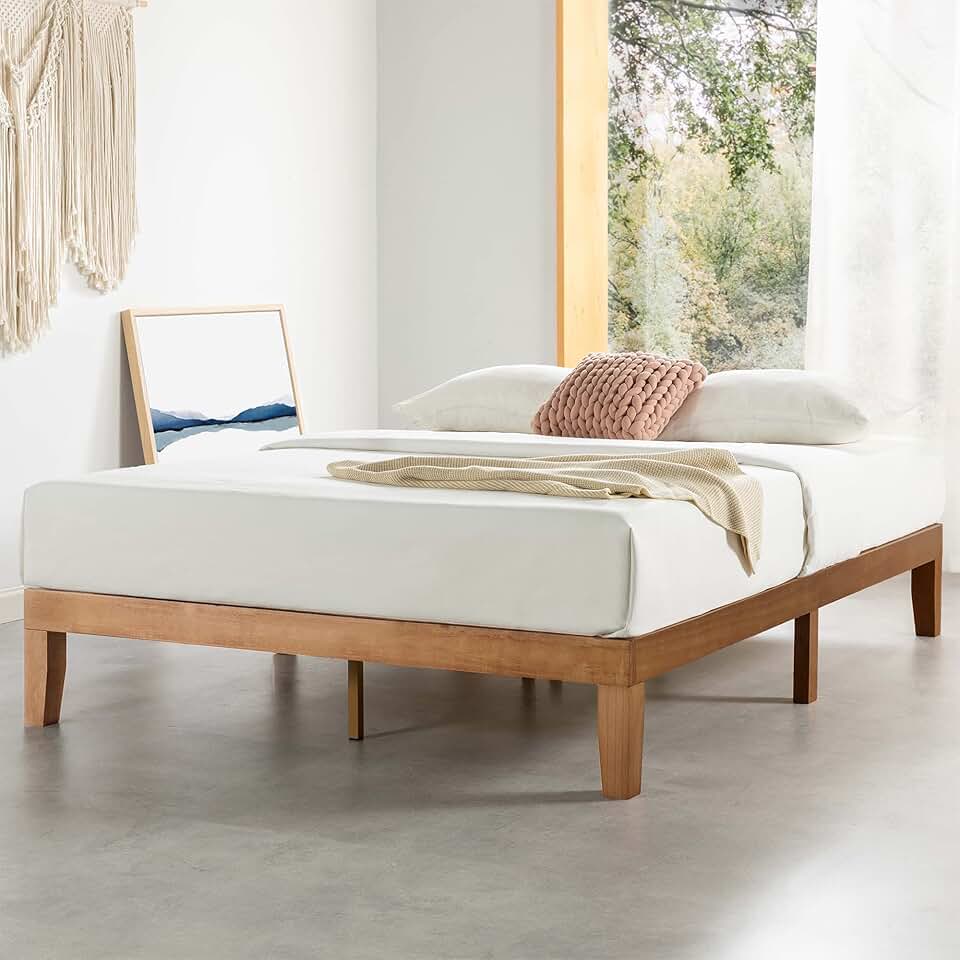
Constructed from solid pine wood for a natural aesthetic. · 12-inch height eliminates the need for a box spring. · Easy assembly process with wooden slats for mattress support.
This highly-rated platform bed frame offers excellent support for memory foam mattresses, ensuring a comfortable and durable sleep setup without the need for a box spring.
As an Amazon Associate I earn from qualifying purchases. Prices may vary.
Are box springs still useful?
Let’s be honest: the traditional box spring feels a bit outdated. Originally, box springs were designed to support innerspring mattresses, which rely on a system of coils. The box spring absorbed shock and distributed weight, extending the life of the mattress. However, memory foam doesn't need that coil support system – in fact, it actively works against it.
The problem with using a traditional box spring with memory foam is the space between the coils. This creates uneven support, allowing the mattress to sag and potentially leading to premature wear. That inconsistent surface defeats the purpose of a solid foundation. While some manufacturers offer 'foundation' options that look like box springs but have a solid surface, those are a different story.
Some people still use box springs with memory foam, often because they already own one. If you’re in that situation, consider replacing it with a solid foundation. If you’re determined to use the box spring, adding a sheet of plywood on top can create a more even surface, but it’s still not ideal. It's a workaround, not a solution.
Slats: The Key Detail
If you’re leaning towards a platform bed, pay close attention to the slats. Not all slats are created equal. The material, thickness, and – crucially – the spacing between them all impact the level of support provided. This is where things get a little nuanced, so it’s worth understanding the details.
Slat spacing is perhaps the most important factor. Too much space between the slats, and your mattress will start to sag in those gaps. A general rule of thumb is to aim for no more than 3-4 inches between slats. Anything wider, and you risk uneven support and potential warranty issues. Thicker slats generally provide better support than thinner ones, and hardwood slats are more durable than softer woods.
When assessing a platform bed with slats, try to find information about the wood type and thickness. Look for slats that are at least 3 inches wide and 1 inch thick. Also, consider the number of slats – more slats generally mean better support. Reading customer reviews can provide valuable insights into the quality of the slats and whether they hold up over time.
A well-constructed platform bed with appropriately spaced and sturdy slats will provide excellent support for your memory foam mattress. It really is the core of a successful pairing.
- Keep slat spacing under 4 inches to prevent sagging.
- Minimum Slat Width: 3 inches.
- Minimum Slat Thickness: 1 inch.
Slat Material Comparison for Platform Bed Frames (Supporting Memory Foam Mattresses)
| Slat Material | Strength | Cost | Noise Level | Lifespan |
|---|---|---|---|---|
| Wood (Solid) | High | Medium to High | Potential for some creaking over time | Long - decades with proper care |
| Wood (Plywood) | Medium | Low to Medium | Generally quiet | Moderate - several years |
| Metal (Steel) | Very High | Medium | Low - generally quiet, but can sometimes develop squeaks | Very Long - resistant to wear |
| Metal (Aluminum) | Medium | Medium to High | Low - very quiet | Long - resistant to corrosion |
| Composite (Plastic) | Medium to High | Low | Very Low - virtually silent | Moderate - susceptible to cracking under extreme weight |
| Composite (Wood & Plastic Blend) | High | Medium | Low to Medium | Long - offers a balance of durability and quietness |
Illustrative comparison based on the article research brief. Verify current pricing, limits, and product details in the official docs before relying on it.
Beyond the Frame: Under-Bed Considerations
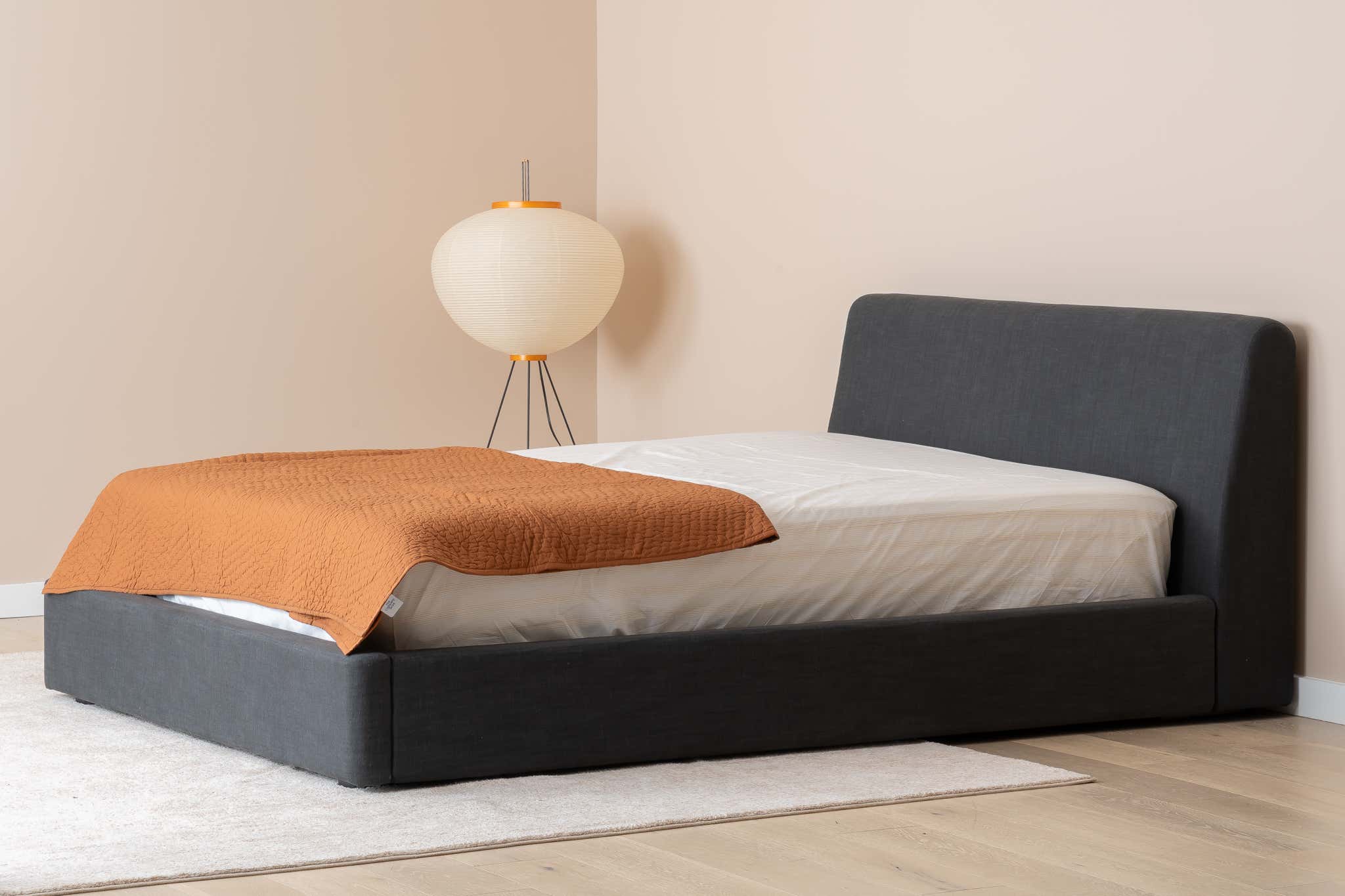
Think about what you want to do with the space under your bed. Do you need storage for off-season clothes, extra linens, or simply want a place to tuck away clutter? The frame you choose will significantly impact your under-bed storage options. Platform beds, with their solid base, often leave little to no space for storage containers.
If under-bed storage is a priority, you might consider a platform bed with a taller frame that creates more clearance. Alternatively, some platform designs incorporate built-in drawers, though these tend to be more expensive. Traditional bed frames with box springs typically offer the most under-bed storage space, but as we’ve discussed, they’re not the best choice for memory foam.
Consider the height of the bed frame as well. A lower profile platform bed can create a more modern look, but it might be difficult to get in and out of bed for some people. A taller frame provides more clearance for storage and can be easier on the knees.
Troubleshooting Support Issues
What if you already have a platform bed and are noticing some sagging? Or perhaps you’re trying to make a box spring work despite its drawbacks? There are a few things you can try. If the issue is slat spacing, adding extra slats can provide additional support. You can often purchase individual slats from hardware stores or online retailers.
Using a mattress topper can also help to distribute weight more evenly and provide a more comfortable sleeping surface. A firmer topper can offer additional support for a memory foam mattress that’s starting to sag. Always check the frame’s weight capacity to ensure you’re not exceeding the limit. Overloading the frame can lead to structural failure and void your warranty.
If you’re using a box spring, adding a sheet of plywood on top can create a more solid surface, but it’s a temporary fix. Ultimately, investing in a proper platform bed or foundation is the best long-term solution for supporting your memory foam mattress. Regularly rotating your mattress can also help to prevent uneven wear and tear.
- Add Extra Slats: Increase support for spaced slats.
- Use a Mattress Topper: Distribute weight more evenly.
- Check Weight Capacity: Ensure the frame can handle the load.
No comments yet. Be the first to share your thoughts!