


What the Budget Buys
When you look for sustainable bed frames under $1,000, you are trading solid hardwood for engineered wood or thinner steel. The core promise remains the same: a sturdy platform that avoids toxic flame retardants and volatile organic compounds (VOCs). However, the materials that make up that frame change significantly at this price point.
At the lower end, you will often find frames made from medium-density fiberboard (MDF) or particleboard bonded with low-VOC adhesives. While these materials are more affordable, they lack the structural density of solid wood. Over time, especially in humid environments, these engineered boards can swell or loosen at the joints. They are a functional, eco-conscious entry point, but they rarely last as long as their solid counterparts.
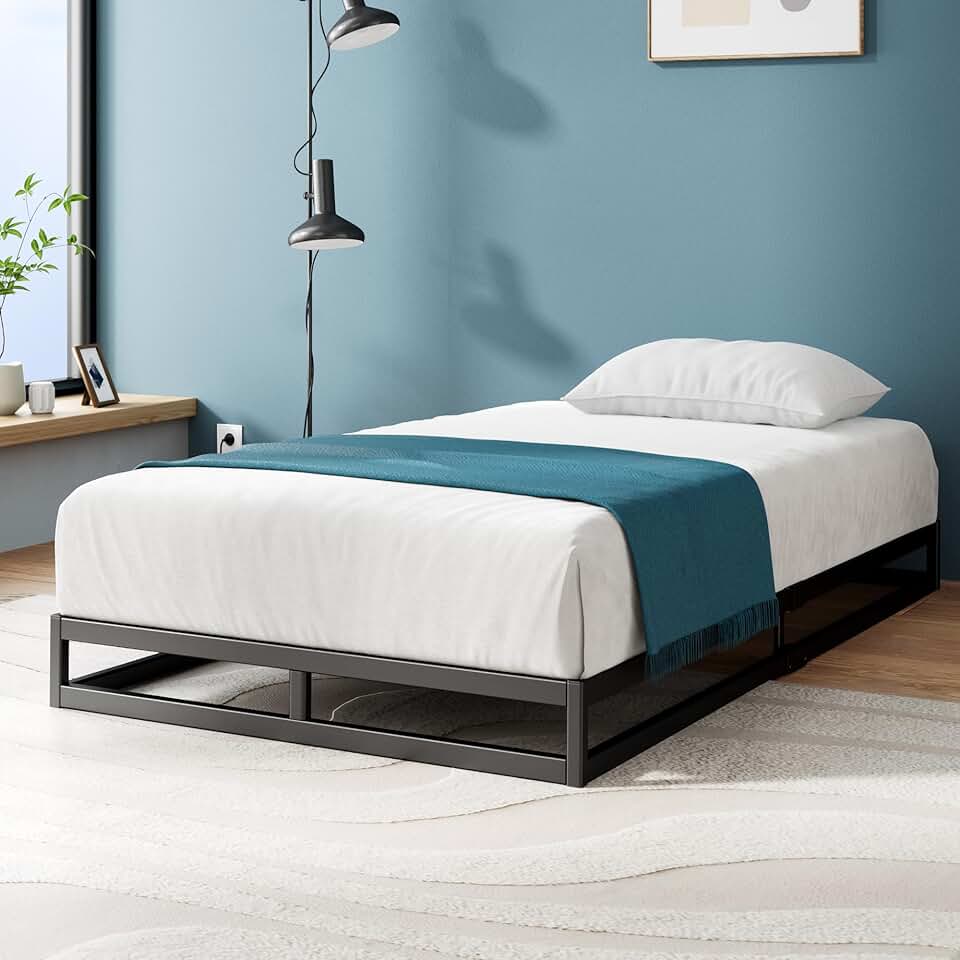
Steel frames offer a different tradeoff. You can often find powder-coated steel frames in this range that are fully recyclable and durable. The downside is aesthetic; budget steel frames often look industrial and may creak if the bolts loosen. They also lack the warmth and weight that solid wood provides, which can make the bed feel less anchored in the room.
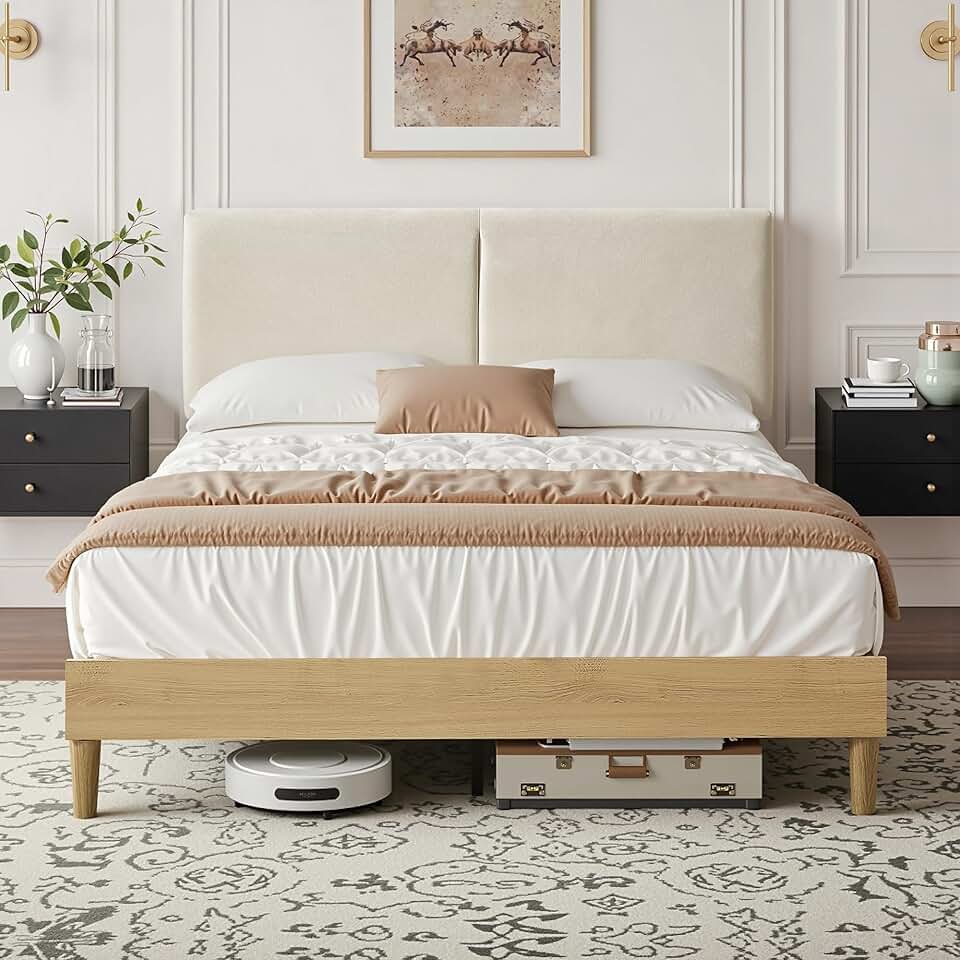
To get the most out of a budget sustainable frame, prioritize construction quality over brand name. Check for reinforced center supports and thick slats. A frame with a solid wood headboard but particleboard sides is a common compromise in this tier. It gives you the look of sustainability where you see it most, while keeping costs down in hidden areas. Just remember that budget eco-friendly frames often require more frequent tightening of hardware than premium solid wood models.
Models worth checking first
When shopping for a sustainable bed frame, the market is crowded with brands making vague claims about "green" materials. The strongest options distinguish themselves through verifiable sourcing, such as FSC-certified wood, and transparent manufacturing processes. Rather than guessing at environmental impact, you can look for specific certifications and material compositions.
The following comparison highlights four prominent sustainable bed frame models. These selections are based on their established track records in eco-friendly manufacturing, material transparency, and consumer feedback. Each option offers a different approach to sustainability, from solid hardwood construction to modular design for reduced shipping waste.
| Brand | Primary Material | Key Certification | Manufacturing Origin |
|---|---|---|---|
| Avocado | Solid FSC-Certified Wood | GOLS & GOTS Organic | USA |
| Thuma | Solid Rubberwood | FSC-Certified | USA |
| My Green Mattress | Solid Hardwood | GREENGUARD Gold | USA |
| Silk & Snow | Solid Birch | FSC-Certified | Canada |
Avocado stands out for its rigorous organic standards, using GOLS-certified organic latex and GOTS-certified organic cotton alongside FSC-certified wood. This combination ensures that the materials are not only sustainably harvested but also free from harmful chemical treatments. Their frames are handcrafted in the USA, supporting local labor practices while minimizing transportation emissions.
Thuma offers a minimalist approach with its "Bedinabox," which uses solid rubberwood that is FSC-certified. The design is notable for its modularity, allowing for easy disassembly and recycling at the end of the product's life. This focus on circularity reduces waste, a common issue with traditional bed frames that are often glued together and difficult to dismantle.
My Green Mattress prioritizes indoor air quality with GREENGUARD Gold certification, ensuring low chemical emissions. Their solid hardwood frames are built to last, reducing the need for frequent replacements. This durability is a key aspect of sustainability, as it extends the product's lifecycle and reduces overall resource consumption.
Silk & Snow provides a cost-effective sustainable option using solid birch wood. Their FSC-certified materials ensure responsible forestry practices, while their Canadian manufacturing base supports regional economies. The simplicity of their design focuses on functionality and longevity, avoiding unnecessary embellishments that can complicate recycling.
RedditThread url="https://www.reddit.com/r/OrganicMattress/comments/123456/sustainable_bed_frame_recommendations/" title="Community Discussion on Eco-Friendly Bed Frames" excerpt="Users frequently discuss the longevity of FSC-certified wood frames versus composite materials, noting that solid wood options often last decades with proper care."
Inspection checklist before you buy
Eco-friendly materials can mask poor construction. A sustainable frame is only as good as its joinery and finish. Before you commit to a high-ticket item, run through these physical checks to avoid expensive repairs or premature wear.
As an Amazon Associate, we may earn from qualifying purchases.
A quick physical inspection prevents costly returns. Prioritize frames that offer transparent sourcing details and robust construction methods. This approach ensures your investment in sustainability also means an investment in durability.
Costs that change the math
A bed frame’s sticker price is only the first line item. The real cost comes from how long it holds up under daily use. Cheap particleboard frames often sag or rattle within two years, forcing a replacement that doubles your spending. Solid wood and metal frames usually last a decade or more, making the higher upfront cost a better long-term value.
Maintenance is another hidden expense. Natural oils on solid wood frames need reapplication every year or two to prevent drying and cracking. Metal frames may require occasional tightening of bolts or touch-up paint to stop rust. These small tasks are cheap in time and money, but they add up if ignored.
When a cheap buy stops being cheap is often marked by structural failure. Look for wobbly joints, splintering slats, or squeaks that don’t go away with lubrication. If you’re spending more on repairs or replacements than you saved on the initial purchase, the frame wasn’t a bargain. Investing in durable, sustainable materials like FSC-certified wood or recycled steel pays off in longevity and reduced waste.
Common questions about sustainable bed frames
Choosing an eco-friendly bed frame often involves balancing material purity with structural longevity. Here are the practical answers to the most common questions buyers ask before purchasing.
No comments yet. Be the first to share your thoughts!