

Pick the right wood species
The longevity of a wooden bed frame depends almost entirely on the wood species used. Hardwoods like oak and maple offer high density and tight grain structures that resist warping, sagging, and joint failure over decades of use. Softwoods like pine are more affordable but lack the structural integrity needed for heavy loads, often requiring thicker slats or additional center supports to prevent bowing.
Choosing the right material is a trade-off between budget and maintenance. While hardwoods demand a higher initial investment, they rarely need reinforcing or replacement within a standard home lifespan. Softwoods may require periodic tightening of joints or replacement of slats as the wood compresses under weight.

The table below compares common bed frame woods by density, cost, and durability rating to help you decide which species fits your needs.
| Wood Type | Density (kg/m³) | Cost Range | Durability |
|---|---|---|---|
| Oak | 750 | High | Excellent |
| Maple | 720 | Medium-High | Very Good |
| Pine | 500 | Low | Fair |
| Birch | 650 | Medium | Good |
Inspect joinery and support systems
A durable wooden bed frame relies on mechanical strength, not just adhesive. The connection points between legs, rails, and headboards bear the brunt of movement and weight. Weak joints here lead to wobbling, squeaking, and eventual failure. When inspecting a frame, look for traditional woodworking techniques that lock pieces together.
Check for mortise-and-tenon or dowel joints
Strong frames use mortise-and-tenon joints or reinforced dowels. A mortise-and-tenon joint involves a "tenon" (a protruding tongue) fitting snugly into a "mortise" (a hollowed-out square or rectangular hole). This creates a large surface area for glue and mechanical interlocking. Dowel joints use wooden pins inserted into aligned holes, often reinforced with wood glue. These methods allow the wood to expand and contract with humidity changes without failing.
Avoid frames that rely solely on glue or metal staples. Staples are brittle and can pop out under stress. Glue-only joints lack the mechanical backup needed for long-term durability. If you can wiggle a joint by hand, the frame is already compromised.
Evaluate the center support and slats
Support systems must distribute weight evenly. Look for a central support beam running down the middle of the frame, especially for queen-size and larger beds. This beam should rest on a sturdy leg that touches the floor. Without it, the center of the mattress will sag over time, damaging both the frame and the mattress.
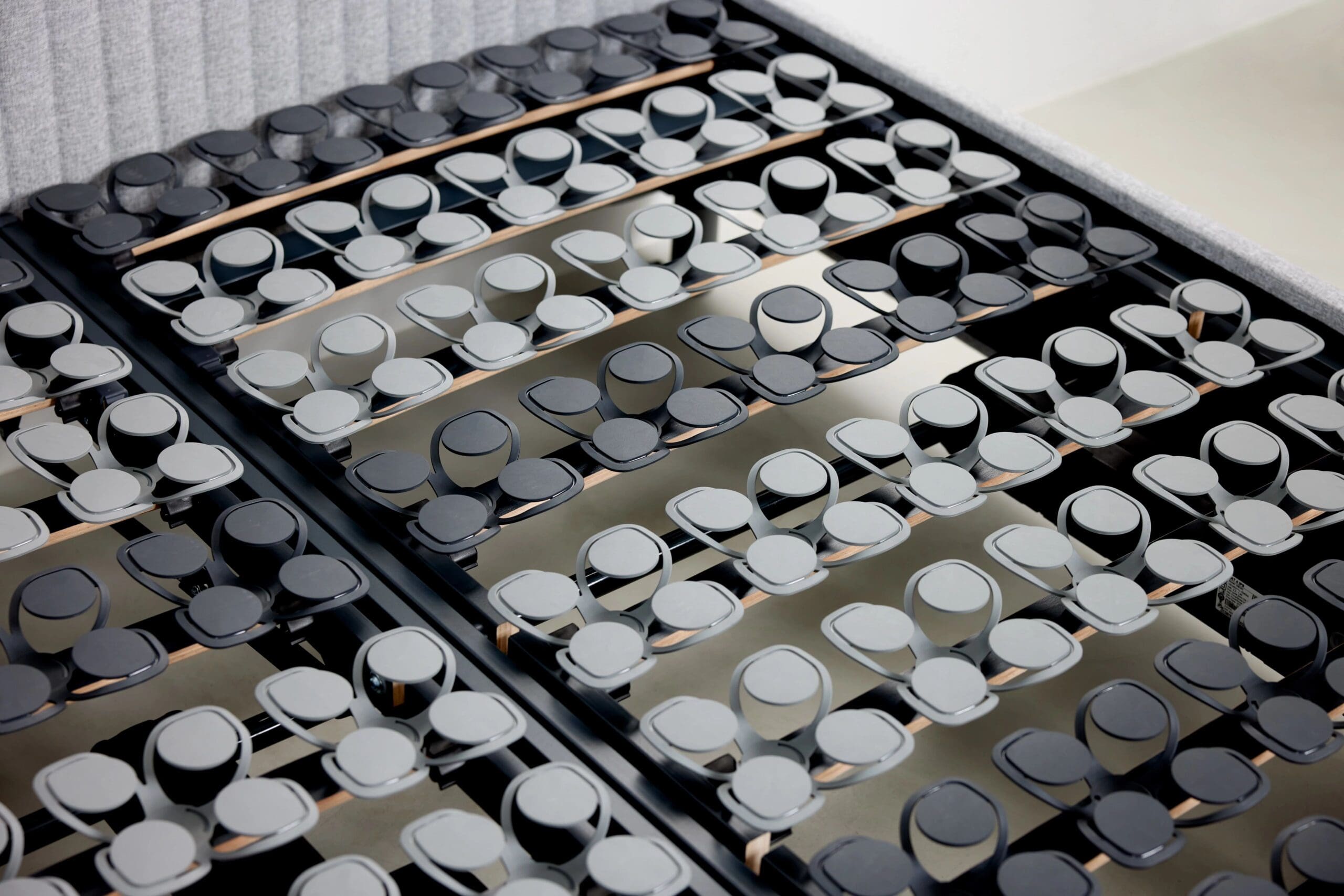
Inspect the slats for thickness and spacing. Solid wood slats should be at least 0.75 inches thick. Spacing between slats should not exceed 2-3 inches to prevent mattress sagging. Metal slats are acceptable if they are thick and securely clipped into the side rails. Thin, widely spaced slats are a sign of cost-cutting that will lead to premature wear.
Test for wobble and stability
Once the frame is assembled, test its stability. Apply pressure to each corner and the center of the frame. A well-built frame should feel rigid and solid, with no audible creaking or shifting. If the frame wobbles, check the tightness of all bolts and screws. Loose hardware is a common issue in mass-produced frames.
If the wobble persists, the joinery may be defective. In some cases, adding wood glue to loose joints and clamping them for 24 hours can fix minor issues. However, if the joints are fundamentally weak, replacement is the only safe option. A stable bed frame is the foundation of a good night's sleep.
Assemble the frame correctly
A wooden bed frame is only as strong as its joints. Proper assembly requires patience, precise alignment, and respect for the wood’s structure. Rushing this process leads to squeaks, wobbles, and eventual failure. Follow this sequence to ensure your bed frame remains stable for years.
Clear a large, flat area to lay out all components. Identify side rails, headboard, footboard, center supports, and slats. Check that all hardware—bolts, screws, and cam locks—is present. Dry-fit the joints without tools to ensure pieces align properly. This prevents forcing mismatched parts, which can split the wood.
Position the headboard and footboard upright. Insert the side rails into the designated slots or attach them using the provided brackets. Hand-tighten bolts initially to allow for minor adjustments. Ensure the frame is square by measuring diagonals from corner to corner; they should be equal. Unequal measurements indicate the frame is racking, which will cause instability.

Place the center support beam along the middle of the side rails. Attach adjustable legs or fixed feet to the ends of the side rails and the center support. Use a level to ensure all feet touch the floor evenly. Uneven legs transfer weight to the joints rather than the floor, leading to stress fractures in the wood over time.

Lay the wooden slats across the side rails, spacing them evenly as recommended by the manufacturer (typically 2-3 inches apart). Secure each slat with the provided clips or screws. Ensure slats are not twisted or bowed. Proper slat support distributes weight evenly, preventing mattress sagging and reducing strain on the frame’s joints.

Once all components are aligned and square, go back and tighten all bolts to the manufacturer’s torque specification. Do not overtighten, as this can strip threads or crack the wood. Shake the frame gently to check for movement. If it wobbles, re-check leg leveling and joint tightness. A solid frame should feel rigid and silent under pressure.
Proper assembly is the foundation of durability. If you notice squeaks after use, check for loose hardware first. Tightening bolts often resolves noise issues caused by wood shifting against metal or other wood surfaces. Regular maintenance every six months will keep your bed frame sturdy and safe.
Fix squeaks and loose joints
A wooden bed frame that creaks or wobbles usually signals two things: hardware has worked itself loose, or the wood joints have dried out. Because wood expands and contracts with humidity, even a well-built frame will need occasional maintenance. Addressing these issues early prevents structural damage and restores a quiet, stable sleep surface.
Start by identifying the source of the noise. Press down on the headboard, footboard, and center slats. Listen for sharp squeaks, which typically indicate friction between metal bolts and wood, or dull creaks, which suggest loose mortise-and-tenon joints.
Tighten all hardware
Most squeaks originate from the bolts connecting the headboard, footboard, and side rails. Over time, the vibration of daily use causes these bolts to loosen. Use a wrench or socket set to tighten every bolt on the frame.
If a bolt spins freely without tightening, the wood threads may be stripped. In this case, remove the bolt, apply wood glue to the hole, insert a wooden dowel or toothpick coated in glue, let it dry, and reinsert the bolt.
Add felt pads to joints
If tightening hardware doesn't stop the noise, the issue is likely friction between the wooden joints themselves. Wood-on-wood movement creates a high-pitched squeak. Apply self-adhesive felt pads to the contact points where the side rails meet the headboard and footboard brackets.
You can also place small felt circles between the center support beams and the side rails. This simple intervention absorbs the friction that causes creaking, especially when you shift position in bed.
Re-glue loose joints
For older frames, the internal joints (mortise and tenon) may have separated. If you see gaps between the wood pieces or feel movement when you shake the frame, the glue has failed. Disassemble the loose joint completely. Scrape away all old, dried glue from both surfaces using a chisel or scraper.
Apply a generous amount of wood glue to the tenon (the protruding part) and insert it back into the mortise (the hole). Wipe away excess glue with a damp cloth. Use clamps to hold the joint tightly while it dries. Allow at least 24 hours for the glue to cure before putting weight on the frame.
Check center support slats
The center support slats bear the majority of your weight. If they are loose or cracked, they will sag and create a thumping or squeaking sound. Inspect each slat for cracks. If a slat is broken, replace it with a new one of the same thickness and wood type. If the slats are intact but loose, tighten the clips or brackets holding them to the side rails. Ensure the center support leg is firmly planted on the floor; if it is short or uneven, place a shim under the leg to eliminate movement.
Maintain Wood Finish and Stability
Wood is a living material that expands and contracts with the seasons. To keep your bed frame sturdy and looking new, you need to manage moisture and address wear before it becomes structural damage.
Clean and Protect the Surface
Dust is abrasive and can scratch the finish over time. Use a soft, dry microfiber cloth to remove dust weekly. For deeper cleaning, use a damp cloth with mild soap, then dry immediately. Never use abrasive cleaners or excessive water, which can warp the wood or dull the finish.
Apply a high-quality furniture wax or polish every three to six months. This replenishes the protective layer and adds a subtle sheen. For unfinished wood, use a penetrating oil like tung or linseed oil to seal the grain against moisture.
Control Humidity and Temperature
Wood reacts strongly to humidity. Ideal indoor humidity is between 40% and 50%. Use a hygrometer to monitor levels. In dry winters, use a humidifier to prevent cracking. In humid summers, use a dehumidifier or air conditioning to prevent swelling and joint loosening.
Keep the bed away from direct sunlight, heating vents, and fireplaces. Direct heat dries out the wood, causing shrinkage and cracks. UV rays can also fade the color over time.
Inspect and Tighten Hardware
Check the frame’s joints and hardware every six months. Wood shifts with temperature changes, which can loosen screws and bolts. Use the appropriate screwdriver or wrench to tighten any loose connections. Do not overtighten, as this can strip the threads or crack the wood.
Inspect for signs of wear, such as splintering or loose joints. If a joint is loose but not broken, apply wood glue and clamp it until dry. For significant damage, consider professional repair or refinishing.
Common wooden bed frame: what to check next
Addressing specific concerns about wood care, durability, and repair helps reduce post-purchase anxiety. Understanding how different wood types behave and how to fix common issues ensures your bed frame lasts for years.
No comments yet. Be the first to share your thoughts!