

Understand your Bed Arc style options
The term "Bed Arc" covers two very different approaches to sleeping comfort. One path offers a static, sculptural wooden frame that prioritizes room aesthetics. The other uses an adjustable disc system to change your sleeping position. Choosing between these styles depends on whether you want a design statement or active sleep support.
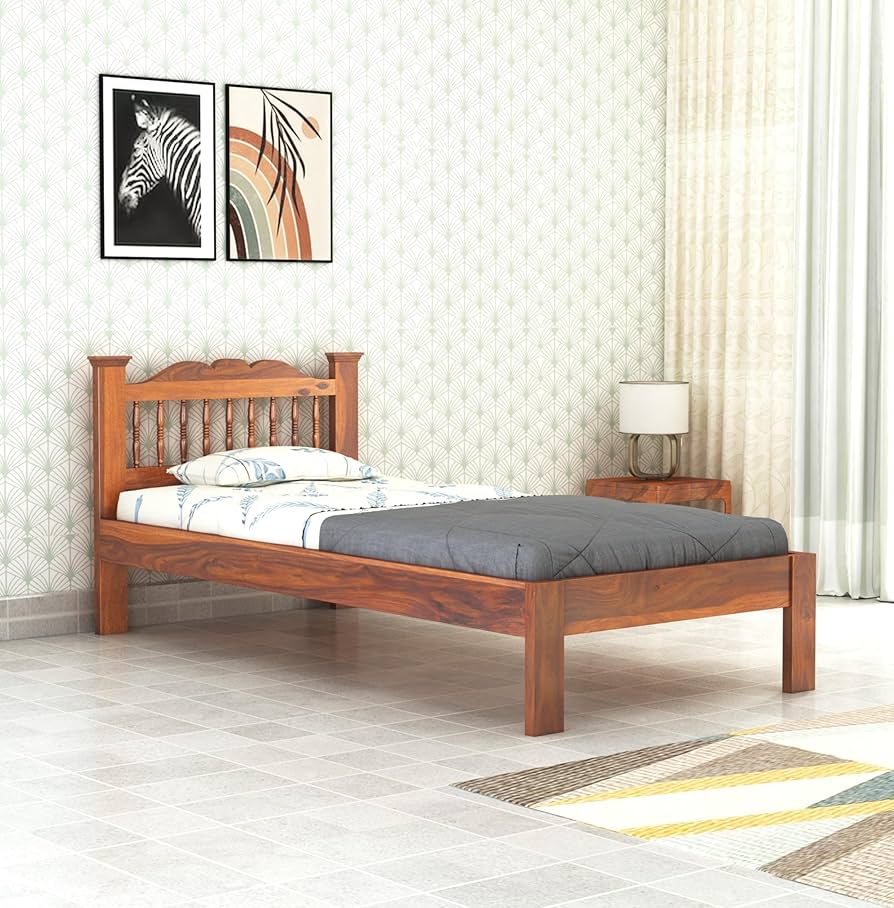
Static wooden Bed Arc frames, such as the Originals Teak Arc, rely on fixed geometry. These pieces are crafted from materials like sustainably gathered teak or sheesham wood. They provide a sturdy, stationary foundation for your mattress. The "arc" here refers to the visual curve of the headboard or frame structure. This option works best if you prefer a traditional sleep experience with a focus on interior design and craftsmanship.
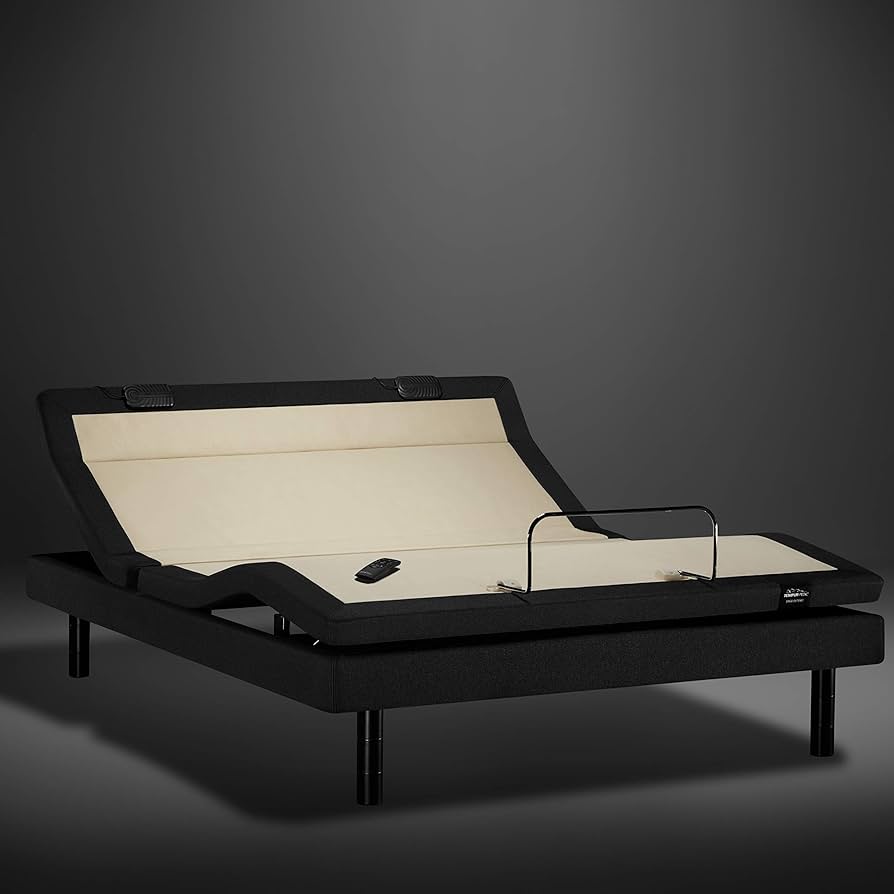
In contrast, the TEMPUR Arc system centers on an adjustable disc base. This technology allows you to raise the head and legs with the touch of a button. The adjustable support helps ease pressure on the back and improves blood circulation. Some models even include AI-enabled anti-snoring features. This style is ideal if you need ergonomic adjustments for health reasons or comfort preferences.
Compare Bed Arc options
Use this comparison to see how the support types and materials differ between the main styles.
| Style | Support Type | Adjustability | Material |
|---|---|---|---|
| Static Wooden | Fixed frame | None | Teak, Sheesham, Wood |
| TEMPUR Arc | Adjustable disc base | Head & leg elevation | Metal, Fabric, Foam |
Match the frame to your mattress type
Your Bed Arc frame is the foundation of your sleep system, but it only performs well if it supports your specific mattress material. Mismatching the base and mattress leads to sagging, poor temperature regulation, or voided warranties. The goal is to find a Bed Arc base that complements the density and flexibility of your foam, hybrid, or latex mattress.
Memory foam and latex
Memory foam and latex mattresses require consistent, firm support to prevent the material from sinking too deeply into the slats. If the gaps between slats are too wide, the foam loses structural integrity, leading to premature wear and uneven sleeping surfaces. Look for a Bed Arc frame with closely spaced slats (typically no more than 3 inches apart) or a solid, ventilated panel. This ensures the heavy, dense foam distributes its weight evenly across the base.
Warning: Not all wooden slat beds work with adjustable bases. Check slat spacing and flexibility before buying.
Adjustable bases
If you are pairing your Bed Arc frame with an adjustable base, the foundation must be flexible enough to articulate without cracking or resisting movement. Standard rigid platforms will fight the motor, causing strain on the mechanism and potentially damaging the frame. Ensure your Bed Arc setup allows for smooth articulation at the head and foot. The frame should not obstruct the base’s range of motion or add unnecessary bulk that interferes with the reclining function.
Innerspring and hybrid
Innerspring and hybrid mattresses often have specific support requirements based on their coil count and edge support systems. While they are generally more forgiving than foam, they still benefit from a sturdy, non-flexing Bed Arc base. Avoid overly flexible slat systems that might cause the coils to compress unevenly. A solid or semi-solid Bed Arc support surface helps maintain the alignment of the pocketed coils, ensuring the edge support remains effective and the mattress doesn’t shift during the night.
Measure your bedroom for the Bed Arc
Before buying, verify that your room dimensions accommodate the Bed Arc’s specific footprint. While the arched headboard is the visual centerpiece, its height and the bed’s overall depth dictate how much movement space you retain. A tight fit can make the room feel cramped, while ample clearance allows for easier cleaning and a more open atmosphere.
Headboard height and wall clearance
The Bed Arc’s signature arched headboard often extends higher than standard flat-headboards. Measure from the floor to the highest point of the arch. Ensure there is at least two inches of space between the top of the headboard and the ceiling or any wall-mounted shelves to avoid a looming effect and allow for airflow.
Side clearance for movement
Bed Arc frames typically feature curved or angled side rails that may protrude slightly more than rectangular frames. Leave at least 24 inches of clearance on each side for walking and making the bed. If you plan to place nightstands next to the Bed Arc, measure their width and add that to the bed’s side profile to ensure they fit without blocking access.
Foot clearance and leg style
Check the distance from the foot of the bed to the opposite wall. You need enough room to walk past the bed comfortably. If the Bed Arc model you are considering has tall legs or a storage base, account for the extra height and depth. A minimum of 30 inches at the foot of the bed is ideal for a spacious feel.
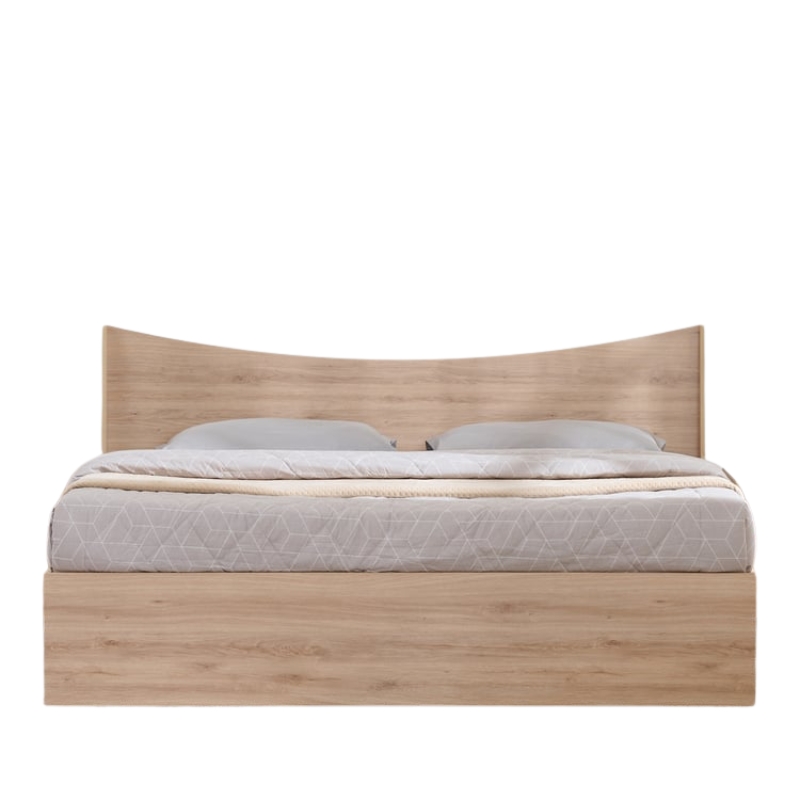
Assemble your Bed Arc frame correctly
Putting together a Bed Arc frame requires patience and a steady hand. The curved design looks elegant, but the joints and slats need precise alignment to ensure stability. Follow this sequence to avoid common assembly errors like loose bolts or uneven support.
Clear a large, flat area in your bedroom. Lay down the packaging cardboard to protect the floor and the frame’s finish. Gather the included hex key, screwdriver, and any required hardware. Check that all parts listed in the manual are present before starting.
Connect the vertical posts to the headboard and footboard panels first. Tighten the bolts just enough to hold them in place. Do not fully tighten yet, as you will need to adjust the alignment when attaching the side rails. This slight looseness allows for fine-tuning the frame’s squareness.
Slide the side rails into the headboard and footboard connectors. Ensure the center support beam is securely attached to the side rails. This beam is critical for weight distribution, especially for a Bed Arc frame which may support a heavier mattress. Tighten all connections firmly at this stage.
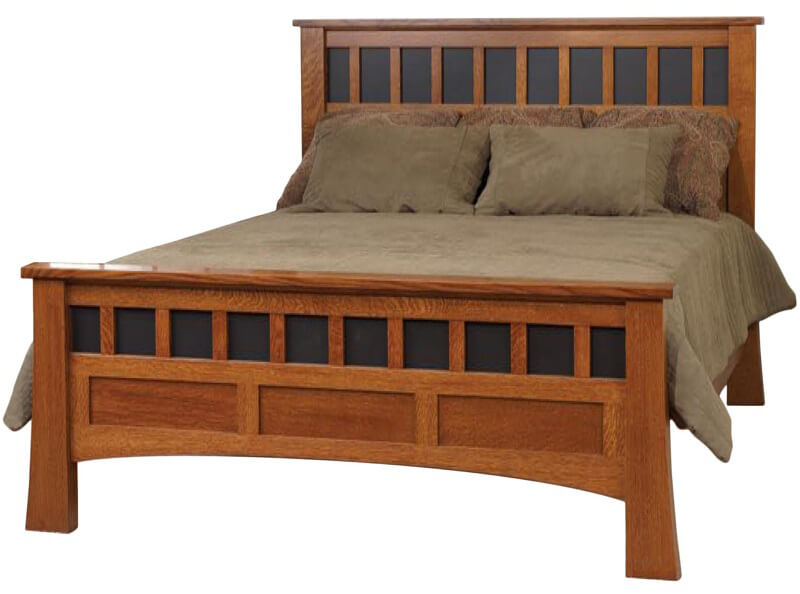
Lay the wooden slats across the side rails. Ensure each slat sits flush against the support beams. Misaligned slats can cause squeaking or mattress damage. Secure the slats with the provided clips or screws. Double-check that the gap between slats is consistent across the entire width.
Go over every bolt and screw one last time. Use the hex key to apply firm, even pressure. Shake the frame gently to check for any wobble. If the frame rocks, adjust the feet or re-tighten the corner joints. Your Bed Arc frame is now ready for the mattress.
Maintain durability and fix squeaks
A Bed Arc frame is an investment in your sleep environment, but its longevity depends on regular upkeep. Teak and solid wood structures expand and contract with humidity changes, which can loosen joints over time. By establishing a simple maintenance rhythm, you prevent minor issues from becoming major repairs.
Monthly maintenance routine
Consistency is the most effective tool for preserving your Bed Arc frame. Once a month, check the structural integrity of the frame to ensure it remains stable and quiet.
- Tighten hardware: Use the appropriate screwdriver or Allen key to check all visible bolts and screws. Over time, vibration from daily use can loosen these fasteners.
- Inspect slats: Look for cracks or warping in the wooden slats. Replace any damaged slats immediately to prevent mattress sagging.
- Clean the wood: Dust the frame with a dry, soft cloth. Avoid harsh chemicals that might strip the natural oils from the teak.
-
Tighten all visible bolts and screws
-
Inspect wooden slats for cracks or warping
-
Dust frame with a dry, soft cloth
Troubleshooting common issues
Even with careful maintenance, squeaks and wobbles can occur. These are usually caused by friction between moving parts or uneven floor surfaces. Addressing them early keeps your Bed Arc frame silent and sturdy.
Fixing squeaks: Squeaking typically happens where wood rubs against wood or metal. Apply a small amount of silicone-based lubricant to the joints and slat contact points. Avoid oil-based products, which can attract dust and stain the wood. If the squeak persists, check if the slats are touching the side rails directly; adding felt pads can eliminate the friction.
Resolving wobbling: An uneven floor is the most common cause of instability. Place a level on the frame to identify which legs are not making full contact. Use adjustable furniture glides or shims under the short legs to stabilize the frame. Ensure the Bed Arc frame is on a flat surface to distribute weight evenly.
When to seek professional help
If your Bed Arc frame shows signs of structural damage, such as large cracks in the main beams or stripped screw holes that no longer hold, it may require professional repair. Attempting to glue or tape structural joints often fails and can void warranties. In these cases, contact the manufacturer or a qualified furniture restorer for advice.
Frequently asked questions about Bed Arc
What is a Tempur Arc?
The Tempur Arc is an adjustable bed base system designed to elevate your head and legs. This positioning helps relieve pressure on the back and improves circulation, allowing you to find a comfortable spot for sleeping or reading. It is not a mattress or a static bed frame, but rather the mechanical foundation that supports your sleep system.
Is an acorn bed the same as a Bed Arc?
No. An acorn bed is a traditional style of furniture featuring decorative acorn motifs on the posts and headboard. The Bed Arc refers to the adjustable base technology. The two terms describe completely different products: one is a design aesthetic, and the other is a functional sleep system.
How durable is the Bed Arc mechanism?
The Bed Arc frame is built for long-term daily use. The motor and hinge mechanisms are engineered to withstand regular adjustment cycles without compromising stability. With proper care, the structural integrity remains consistent, ensuring the bed stays level and quiet over time.
Recommended Bed Arc Compatible Frames
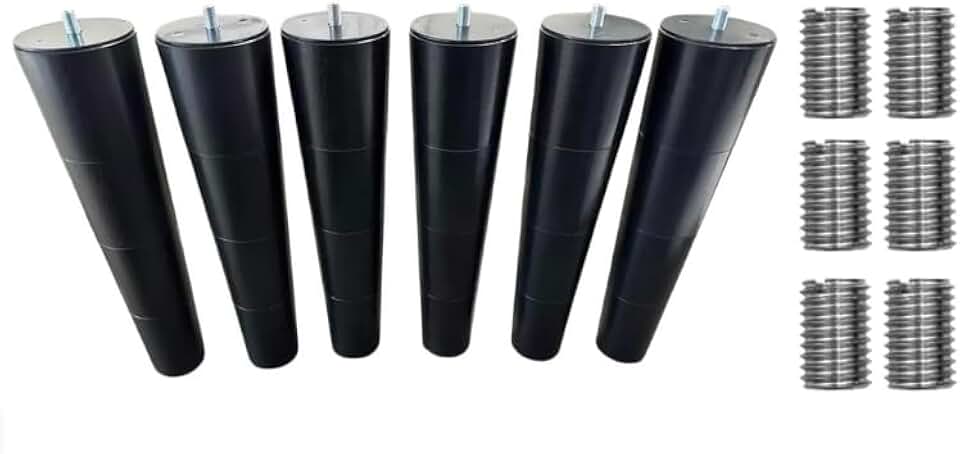
As an Amazon Associate, we may earn from qualifying purchases.
No comments yet. Be the first to share your thoughts!