

Locate the source of the squeak
A squeaky wooden bed frame usually stems from three specific areas: the joints, the slats, or the headboard connections. Pinpointing the exact origin is the first step in fixing the noise, as applying lubricant to a loose joint will do nothing for a rubbing slat.
Start by lying on the bed and shifting your weight slowly from one side to the other. Have a partner listen closely or use a mechanic’s stethoscope to isolate the sound. If you are alone, press down firmly on different sections of the mattress while listening for the creak. The noise will often travel through the frame, so the loudest point may not be the exact source.
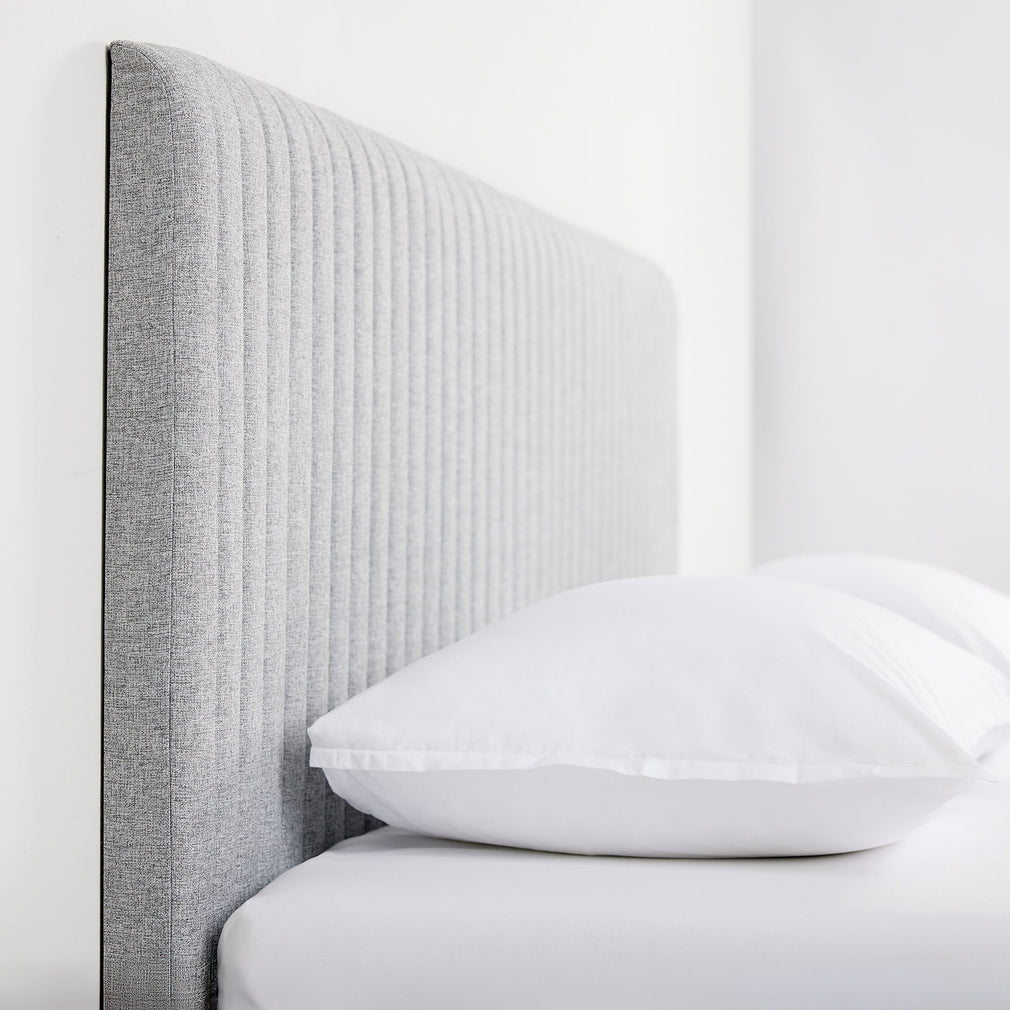
Check the headboard connections first, as these bear significant stress during movement. Wiggle the headboard side-to-side; if it moves, the bolts or screws are likely loose. Next, inspect the center support beam and leg joints. Finally, lift the mattress to check the slats. Slats often squeak because they rub against the side rails or the center support, especially if the clips are worn or missing.
Once you have identified the noisy component, you can target your repair efforts precisely. Tightening hardware, adding felt pads, or applying wood glue to joints will address the specific cause rather than masking the symptom with temporary fixes.
Tighten joints and secure slats
Most squeaks come from loose hardware or slats that have shifted out of place. The wood rubs against metal or other wood, creating friction that sounds like a noise complaint. Fixing this is usually faster than buying a new bed frame.
Start by gathering a Phillips head screwdriver and an adjustable wrench. If you have a power drill with a torque setting, use it on the lowest setting to avoid stripping the screws. Work in a logical order so you don't miss a loose bolt.
Flip the bed frame over or access the underside. Locate every bolt connecting the side rails to the headboard and footboard. Tighten them firmly. Do not overtighten, as this can crack the wood or strip the threads. Check the center support beam connections as well, since a loose center beam often causes the mattress to sag and squeak.
Lift the mattress and inspect the slats. If they are loose, push them back into their brackets. If the brackets are stripped, use a longer screw or a small wooden shim to tighten the grip. For metal slat hooks, ensure they are fully seated in the rail. A slat that slides during the night will create a rhythmic squeak.

Even with tight bolts, wood-on-wood or wood-on-metal contact can still creak. Apply a small amount of furniture wax, paraffin wax, or silicone spray to the joints where the slats meet the frame. For metal-to-metal joints, a drop of machine oil works well. This lubricates the surface so it moves silently.
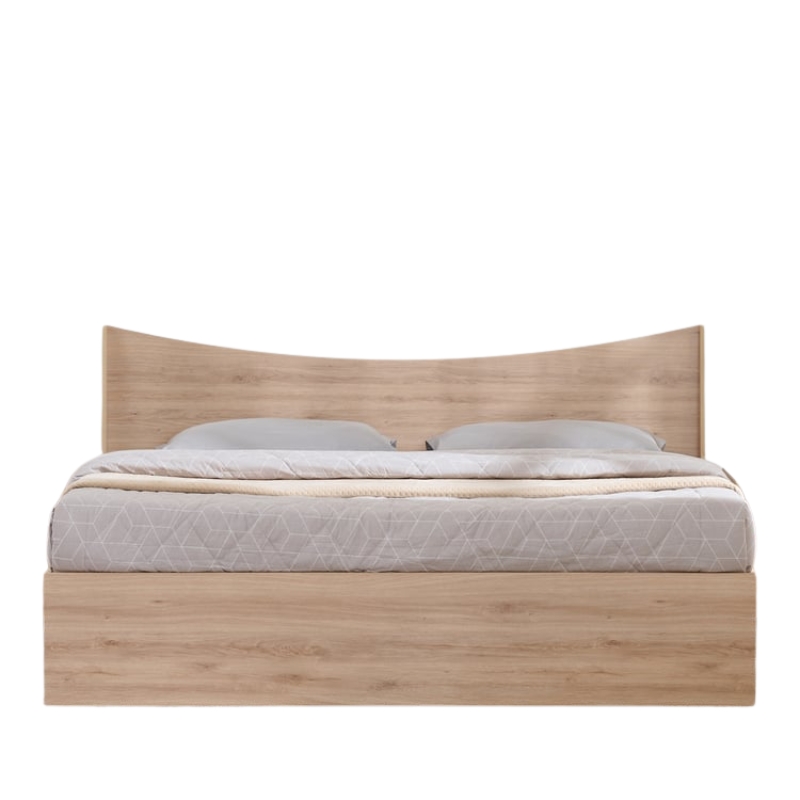
Put the mattress back on and sit on the bed. Wiggle around in different positions to simulate sleeping movements. Listen closely for any remaining noises. If a squeak persists, identify the exact spot and apply more lubricant or tighten the nearest bolt further. Repeat until the frame is silent.
If the squeak continues after these steps, the issue may be with the mattress foundation or the box spring itself. In that case, you might need to replace the slats or add a plywood board for extra support.
Choose durable bed frame materials
The material you pick for your bed frame dictates how long it stays silent. Solid wood and engineered wood behave differently under weight and time, and choosing the wrong one is the most common cause of recurring squeaks. A durable frame acts like a rigid skeleton; if the bones are weak or the joints are loose, the whole structure shifts and grinds.
Solid wood, such as oak, maple, or walnut, is the gold standard for longevity. These frames are heavy and dense, which helps dampen vibration. Because solid wood doesn't expand and contract as wildly as composite materials, the joints stay tight for years. However, they come with a higher price tag and significant weight, making them harder to move.
Engineered wood, including MDF and particleboard, is lighter and more affordable. It is a popular choice for budget buyers, but it has a shorter lifespan. The adhesives used to bind the wood fibers can degrade over time, leading to loose joints and that dreaded creaking noise. If you choose engineered wood, look for frames with metal reinforcement brackets to add stability.
Metal frames are another option, often used in platform beds. They are incredibly strong and resistant to warping. However, metal can transmit sound differently than wood. A squeak in a metal frame usually comes from friction between the metal slats and the side rails, or from loose screws. Proper lubrication and tight fittings are essential to keep them quiet.
To help you decide, here is a comparison of the most common materials based on durability, noise potential, and cost.
| Material | Durability | Noise Potential | Cost |
|---|---|---|---|
| Solid Wood | High | Low | High |
| Engineered Wood | Medium | Medium to High | Low |
| Metal | High | Low (if tight) | Medium |
Prevent future bed frame noise
Keeping a wooden bed frame quiet is less about one-time repairs and more about consistent maintenance. Wood expands and contracts with humidity changes, and joints loosen over time under the weight of sleepers. A regular check-up schedule prevents small squeaks from becoming major structural issues.
Monthly maintenance checklist
Use this checklist to inspect your bed frame every month. Catching loose hardware early stops noise before it starts.
- Tighten all bolts and screws: Use an Allen wrench or screwdriver to go over every joint, especially where the headboard meets the side rails.
- Check center support legs: Ensure the middle support is firmly planted on the floor and not wobbling. If it’s adjustable, raise it slightly to take pressure off the slats.
- Inspect slat connections: Look for cracks in the wooden slats or loose clips holding them in place. Replace any damaged slats immediately.
- Lubricate contact points: Apply a small amount of beeswax or silicone spray to areas where wood rubs against wood or metal.
Manage weight distribution
Uneven weight is a common cause of persistent squeaking. If you sleep on the edge of the bed frequently, the frame experiences more stress on one side. Try to distribute your weight more evenly across the mattress. If you have a heavy mattress, ensure the center support beam is properly positioned to prevent sagging, which creates friction and noise.
Common bed frame repair: what to check next
Fixing a squeaky wooden bed frame is rarely a mystery, but it does require a systematic approach. Most noise comes from loose joinery or friction between wood pieces. Before you reach for glue or new hardware, tighten every bolt and screw. If the squeak persists, the issue is likely wood-on-wood rubbing. Apply talcum powder or wax to the contact points to reduce friction. This simple fix works for most minor creaks without disassembling the entire frame.
You do not need a professional toolbox to handle this repair. A basic set of screwdrivers, an adjustable wrench, and some wood glue are sufficient for 90% of cases. If you are dealing with a slat support issue, you might need a drill to pre-drill holes for new screws. Keep a block of wood handy to prevent drill bits from slipping and damaging the floor or the frame itself. The process is straightforward if you work slowly and identify the exact source of the noise first.
Knowing when to replace rather than repair is just as important as knowing how to fix. If the wood is cracked, split, or rotted, no amount of tightening or gluing will restore structural integrity. Squeaks caused by compromised joints often indicate that the frame has reached the end of its useful life. Attempting to glue a large crack might provide temporary silence, but the frame could fail under weight, leading to injury or further damage. In these cases, investing in a new, durable frame is the safer and more cost-effective choice.
No comments yet. Be the first to share your thoughts!