

Where the wood comes from
The word 'sustainable' is mostly marketing fluff. Before you look at the stain or the headboard style, you have to check where the timber actually originated. If a brand can't show you a paper trail, they're probably lying.
Look for certifications like the Forest Stewardship Council (FSC) – they ensure the wood comes from responsibly managed forests. The Programme for Endorsement of Forest Certification (PEFC) is another reputable option. These certifications aren't perfect, and auditing can vary, but they’re a good starting point. Understand that even with certification, there’s a spectrum of responsibility.
Reclaimed wood is often an excellent choice. It gives a second life to wood that would otherwise end up in a landfill, and it avoids the environmental impact of harvesting new trees. However, be cautious about the source of reclaimed wood – you want to be sure it’s not from illegally logged old-growth forests. Asking detailed questions about the origin is vital. A frame made from reclaimed barn wood sounds romantic, but you need to know the history.
Greenwashing – presenting a product as environmentally friendly when it's not – is a real issue. Don’t be afraid to ask for documentation and details about the wood’s origin, forestry practices, and any chemical treatments used. A transparent company will be happy to provide this information. If they’re evasive, that’s a red flag.

Fast-growing vs. old-growth timber
The type of wood itself matters a great deal. Broadly, we can categorize woods into fast-growing and slower-growing hardwoods. Fast-growing options like bamboo, rubberwood (from rubber trees), and acacia are appealing because they replenish relatively quickly. This makes them a more sustainable choice if they’re managed properly. Rubberwood, for example, is often a byproduct of rubber production, giving it an inherent sustainability advantage.
However, fast-growing woods often lack the density and durability of slower-growing hardwoods. They can be more prone to dents, scratches, and warping over time. That doesn’t mean they’re bad; it just means they may not be the best choice for a bed frame you want to last for decades. Acacia, while faster growing, is surprisingly dense and can be a good compromise.
Old-growth wood – wood from very old trees – is incredibly durable and beautiful, but its harvest is profoundly damaging to the environment. Old-growth forests are vital ecosystems, and their destruction contributes to biodiversity loss and climate change. Avoid bed frames made from old-growth wood, even if they’re marketed as "antique’ or ‘heirloom quality’. The price tag shouldn"t overshadow the environmental cost.
Responsible forestry practices are key. Look for wood sourced from sustainably managed forests where trees are harvested selectively and replanted. This ensures the long-term health of the forest and minimizes environmental impact. Some companies are also exploring innovative forestry techniques, like agroforestry, which integrates trees into agricultural systems.
- Bamboo is fast-growing and light, but it dents easily if you aren't careful.
- Rubberwood: A byproduct of rubber production, relatively fast-growing, and reasonably durable.
- Acacia: Faster-growing hardwood, offers a good balance of sustainability and durability.
- Oak: Slow-growing hardwood, known for its strength and longevity.
- Maple: Slow-growing hardwood, durable and often used for its beautiful grain.
- Walnut: Slow-growing hardwood, highly prized for its rich color and durability.
Sustainable Wood Types for Bed Frames: A Comparison (2026)
| Wood Type | Growth Rate | Durability | Sustainability Score (1-5) | Common Bed Frame Uses |
|---|---|---|---|---|
| Oak | Moderate | Very High | 3 | Platform beds, panel beds, traditional styles |
| Maple | Moderate | High | 3 | Sleigh beds, modern designs, often painted |
| Walnut | Moderate | High | 2 | High-end platform beds, statement pieces |
| Acacia | Fast | Moderate to High | 4 | Rustic and contemporary bed frames, increasingly popular |
| Rubberwood | Very Fast | Moderate | 4 | Affordable and sustainable bed frames, often used in simpler designs |
| Bamboo | Extremely Fast | Moderate | 5 | Modern and eco-conscious bed frames, gaining popularity |
Illustrative comparison based on the article research brief. Verify current pricing, limits, and product details in the official docs before relying on it.
Finishes and glues
Most people focus on the wood itself, but the finishes and adhesives used in a bed frame can have a significant environmental and health impact. Many conventional finishes and adhesives contain volatile organic compounds (VOCs), which are harmful gases that can off-gas into your bedroom and contribute to indoor air pollution. That new furniture smell? Often VOCs.
I prefer linseed oil or beeswax. They don't off-gas like the heavy polyurethane stuff, though you'll have to re-apply them every few years to keep the wood from drying out. If you want a seal of approval, look for the GREENGUARD label on the spec sheet.
Adhesives are another area of concern. Formaldehyde-based adhesives are commonly used in furniture manufacturing, but formaldehyde is a known carcinogen. Always choose bed frames made with formaldehyde-free adhesives. This is a non-negotiable for a healthy bedroom environment. It's easy to overlook, and many companies don't readily advertise their adhesive choices, so don’t hesitate to ask.
- Prioritize: Water-based, natural oil, or beeswax finishes.
- Avoid: Finishes with high VOC content.
- Look for: GREENGUARD certification.
- Demand: Formaldehyde-free adhesives.
Reliable brands for 2026
Finding truly sustainable bed frames requires some digging, but several brands are leading the way. Based on reports from The Good Trade and my own research, here are a few standouts for 2026. Prices are approximate and can vary based on size and configuration.
Avocado Green Mattress: Known for their organic mattresses, Avocado also offers solid wood bed frames made from FSC-certified wood and finished with natural oils. They prioritize transparency in their supply chain. Price range: $800 - $1800.
Medley Home: Medley focuses on handcrafted, American-made furniture. Their bed frames are made from sustainably sourced hardwoods and finished with water-based finishes. They offer a wide range of styles. Price range: $1200 - $2500.
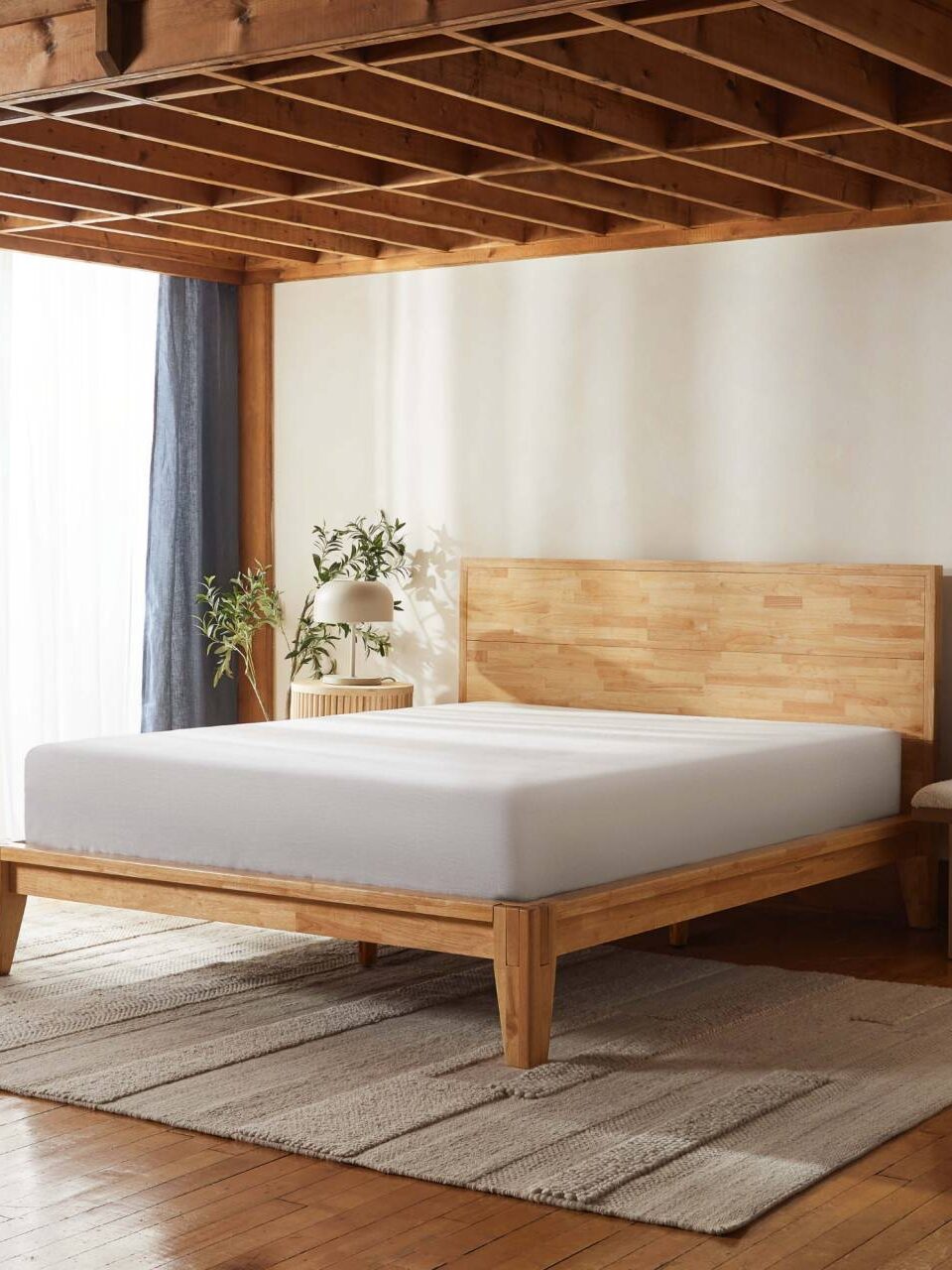
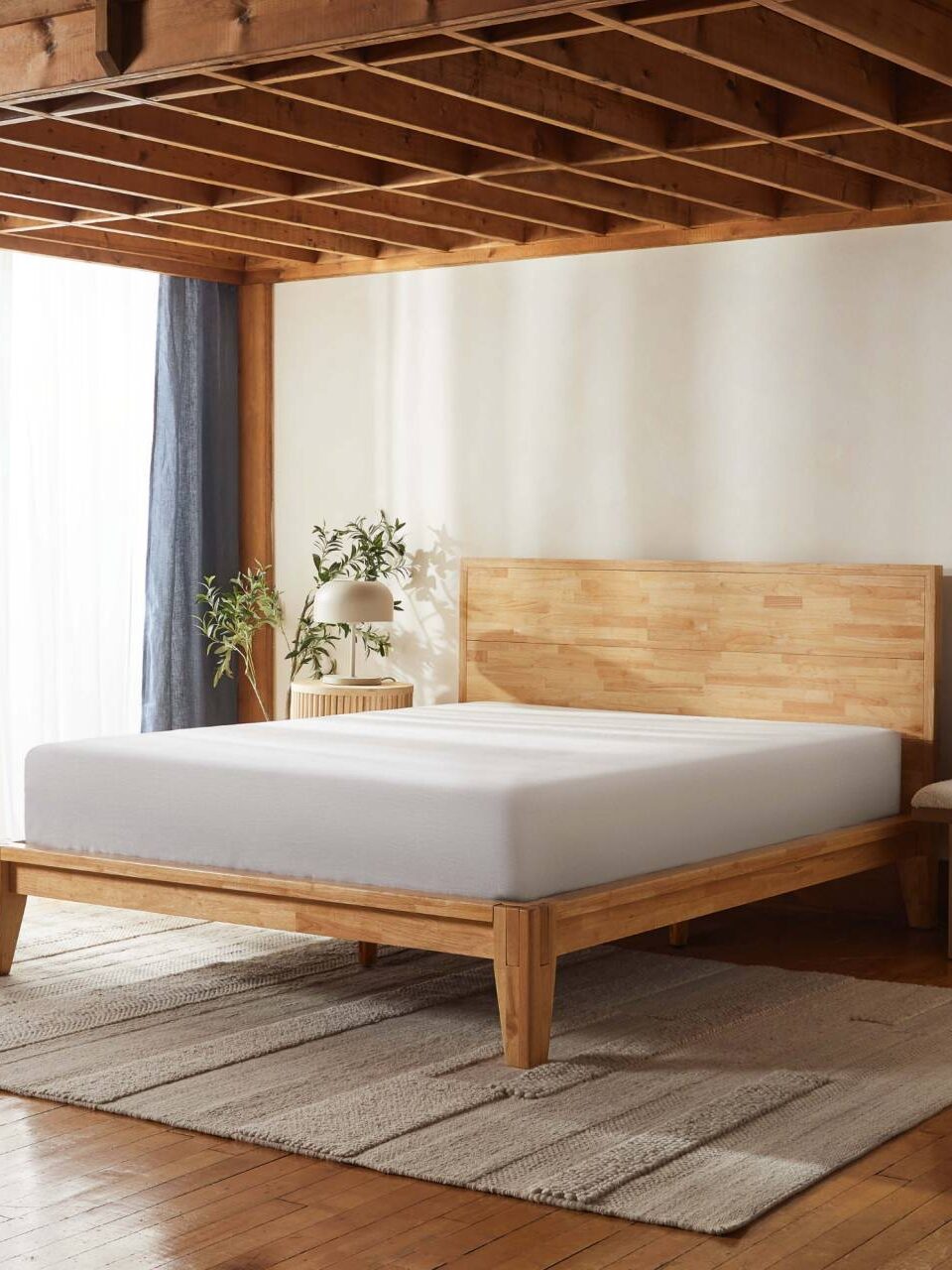
Thuma: Thuma's platform bed is a minimalist design made from FSC-certified rubberwood. It’s known for its simplicity, durability, and easy assembly. Price range: $899 - $1499.
Floyd: Floyd emphasizes modularity and longevity. Their bed frames are made from FSC-certified birch plywood and are designed to be disassembled and reassembled easily. Price range: $600 - $1200.
Sabai Design: Sabai focuses on creating eco-friendly furniture with a circular economy model. Their bed frames are made from sustainable wood and recycled materials. Price range: $700 - $1500.
Etsy (various sellers): While not a single brand, Etsy is a great place to find smaller, independent makers offering sustainable wood bed frames. Be sure to vet the seller's sustainability practices carefully. Price range: Highly variable, $300 - $2000+.
Checking for durability
Sustainability isn’t just about environmental impact; it’s about creating something that lasts. A durable bed frame reduces the need for replacement, minimizing waste and saving you money in the long run. Wood density is a key factor – hardwoods like oak, maple, and walnut are naturally more durable than softwoods like pine.
Pay attention to the joinery techniques used in the frame’s construction. Dovetail joints and mortise and tenon joints are incredibly strong and will withstand years of use. Avoid frames held together solely with screws or nails, as these are more likely to loosen over time. A solid wood frame with well-crafted joinery is a good sign.
Look for frames with a substantial center support beam and strong corner brackets. These features provide extra stability and prevent the frame from sagging or wobbling. Test the frame's stability by gently rocking it back and forth. A quality frame should feel solid and secure. Don't hesitate to ask the manufacturer about weight capacity.
Proper care can significantly extend the lifespan of your wooden bed frame. Avoid placing it in direct sunlight or exposing it to excessive moisture. Regularly dust and clean the frame with a soft cloth. Consider applying a protective wood polish or oil finish every few years.
Fixing and restoring
Even the most sustainable and well-built bed frame may eventually need some repair. Common issues include squeaks, loose joints, and finish damage. Squeaks are often caused by friction between wood components. Applying beeswax or a silicone lubricant to the joints can usually resolve this. For loose joints, try tightening screws or re-gluing them with wood glue.
Minor finish damage can often be repaired with wood touch-up markers or furniture polish. For more significant damage, you may need to sand and refinish the affected area. There are many online resources and DIY guides available to help you with these repairs. I've found YouTube to be a surprisingly good source for furniture repair tutorials.
If a structural component of the frame is damaged, it may require more extensive repairs. Consider consulting a professional furniture repair specialist. They can assess the damage and recommend the best course of action. Sometimes, a simple repair is all that’s needed to restore the frame to its former glory.
- Squeaks: Apply beeswax or silicone lubricant to joints.
- Loose Joints: Tighten screws or re-glue with wood glue.
- Finish Damage: Use wood touch-up markers or furniture polish.
- Structural Damage: Consult a professional furniture repair specialist.
No comments yet. Be the first to share your thoughts!